






Why ESS PCS Efficiency Matters
Release time: 2026-07-20
As the global transition toward renewable energy accelerates, the deployment of utility-scale, commercial, and industrial energy storage is breaking historical records. Solar and wind power are inherently intermittent, making robust energy storage non-negotiable for grid stability. While high-capacity batteries frequently dominate industry headlines and capture the imagination of the public, the true operational success of these installations hinges on the sophisticated electronics that manage the flow of electricity.
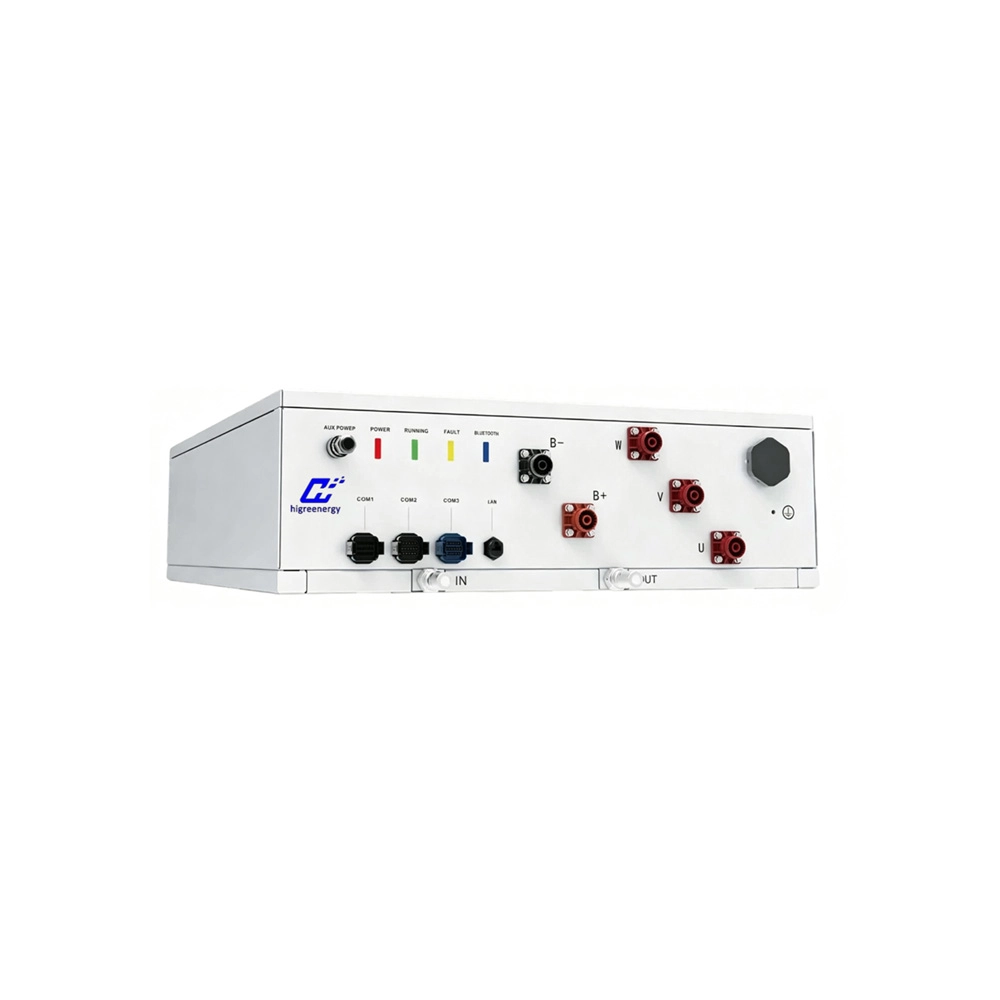
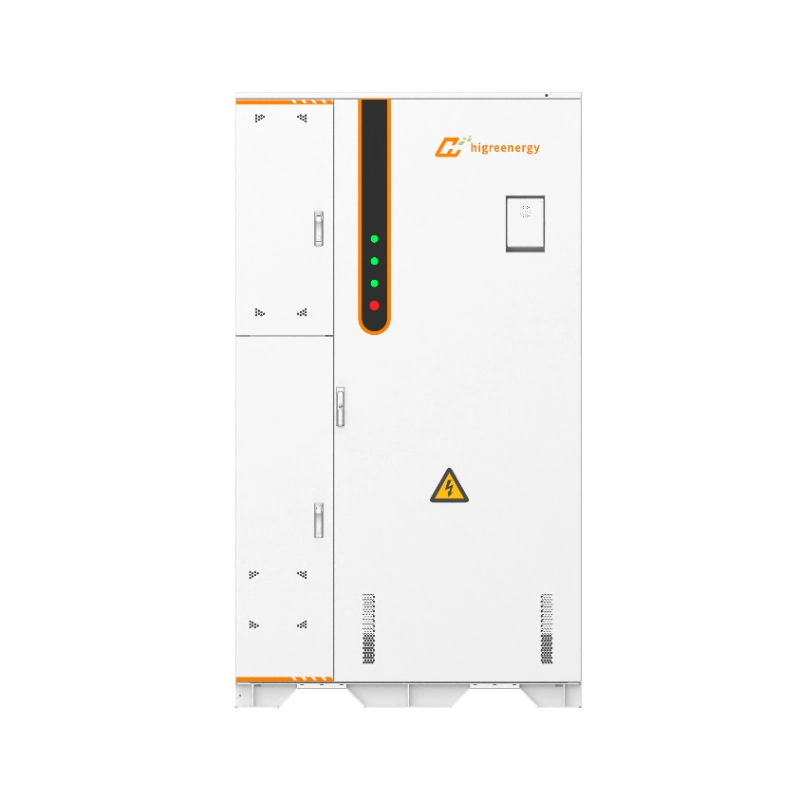
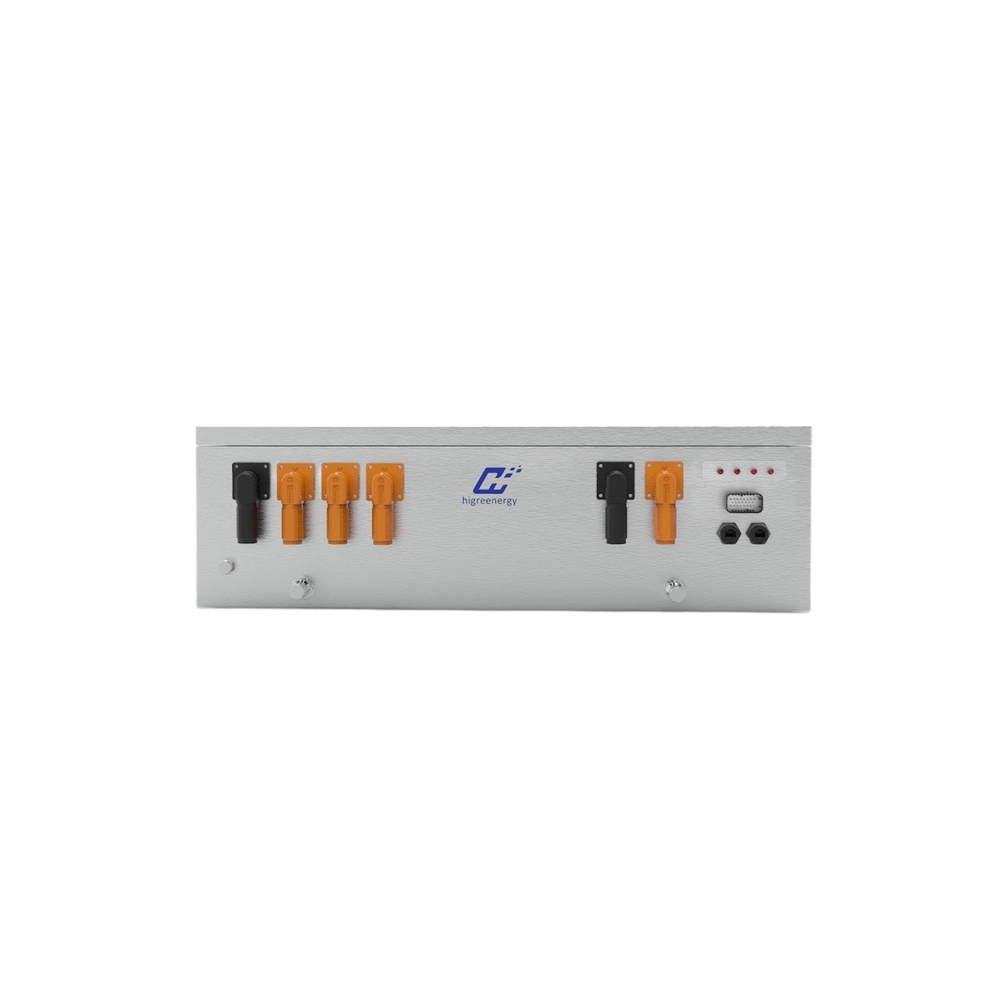
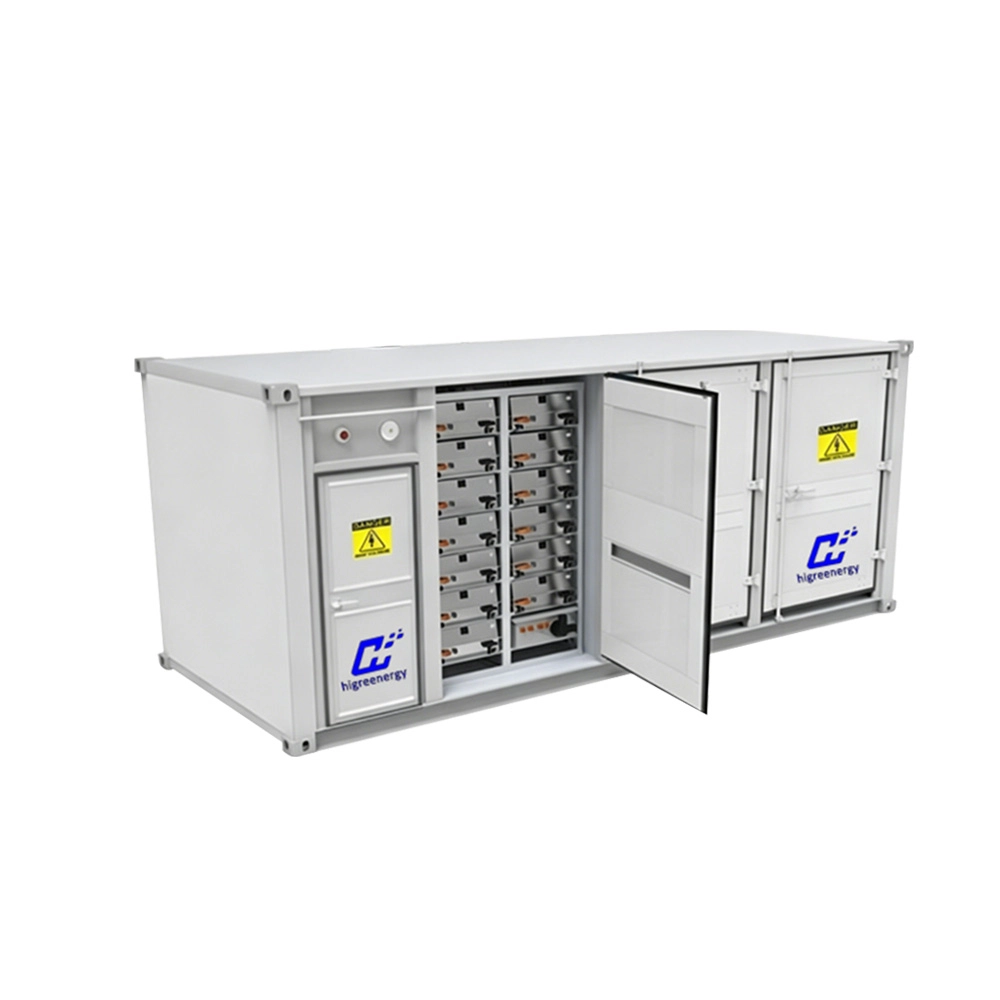
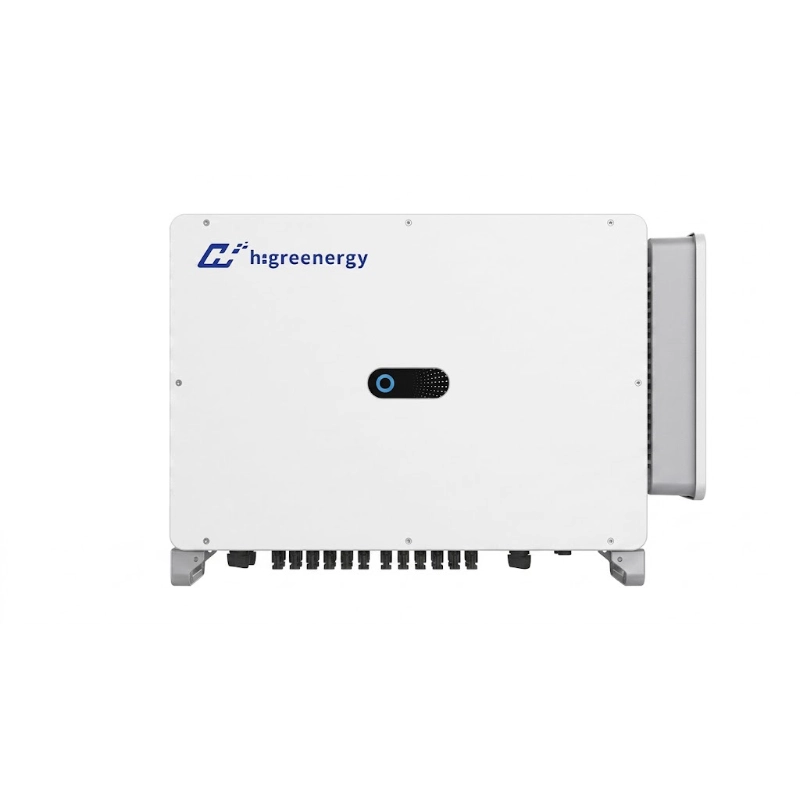
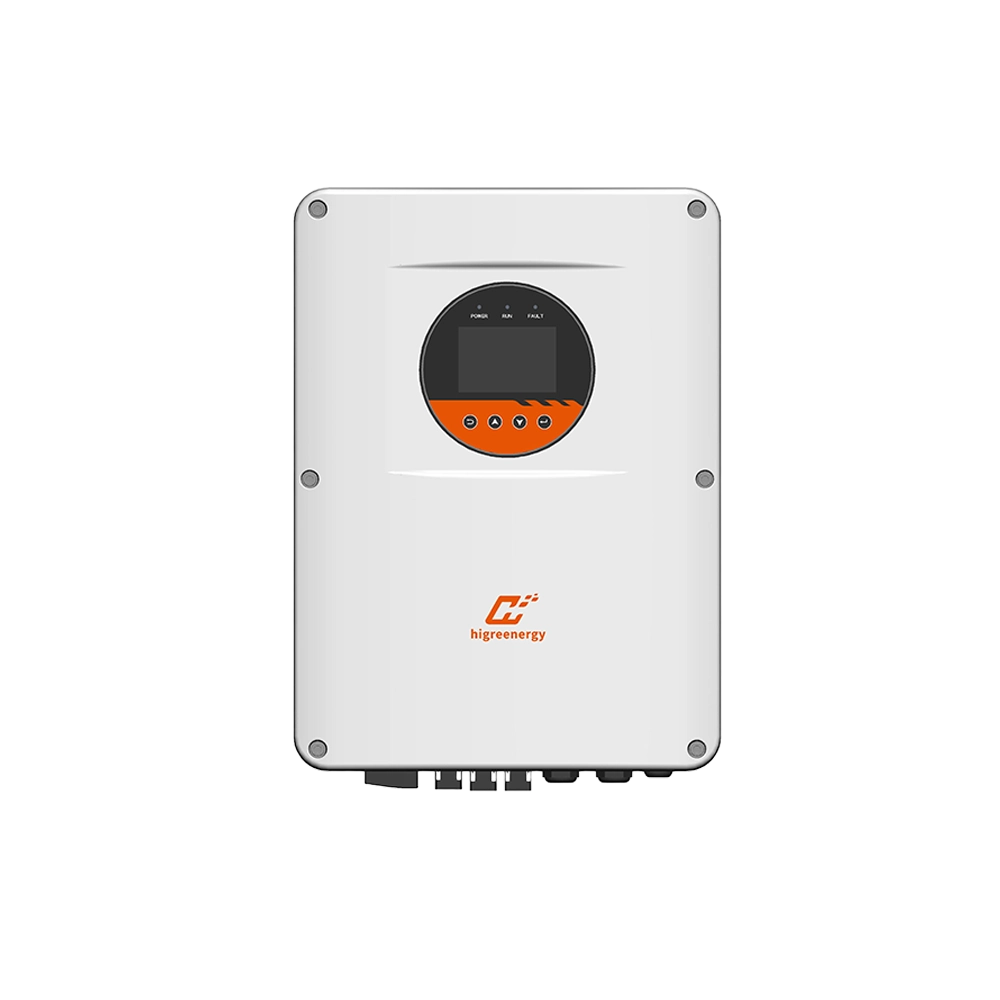
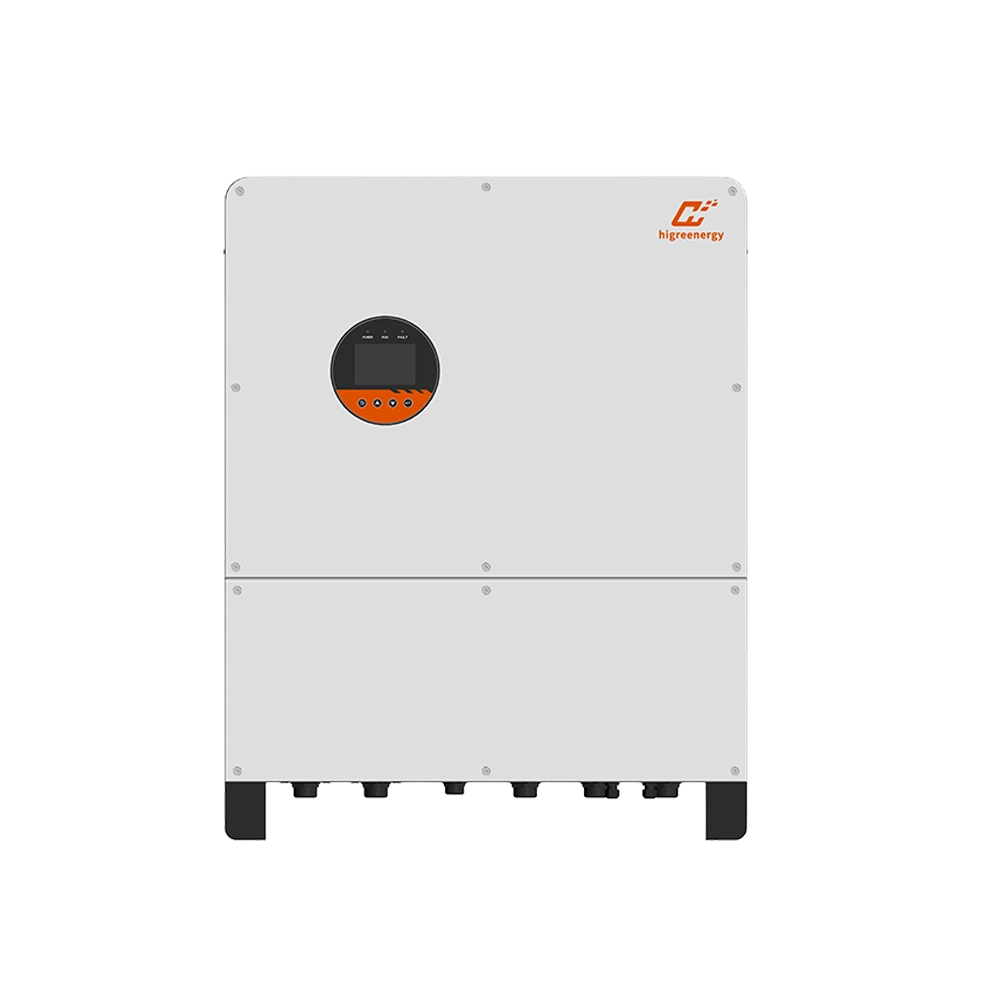
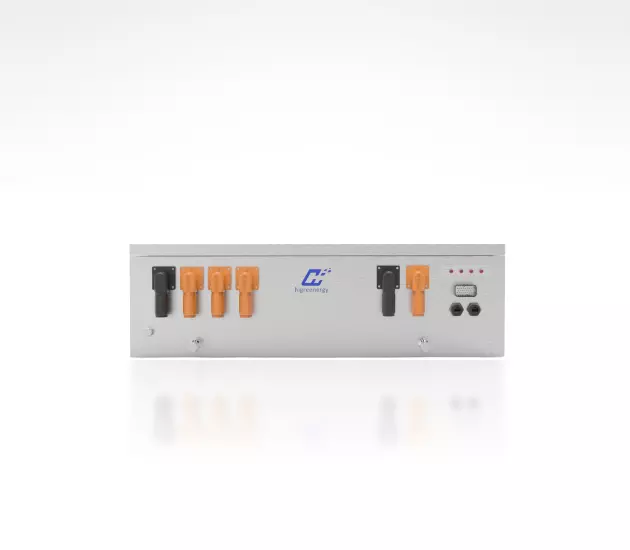
The heart of this functionality relies heavily on the ESS PCS—the bidirectional bridge between the direct current (DC) environment of the battery racks and the alternating current (AC) environment of the electrical grid. Even the most advanced, high-density lithium-ion or solid-state batteries are rendered ineffective if the process of charging and discharging them is fraught with energy waste. Therefore, understanding the underlying mechanics of energy transfer and why optimizing this hardware is paramount can mean the difference between a highly profitable energy asset and a financial liability.
The Fundamental Mechanics of Bidirectional Conversion
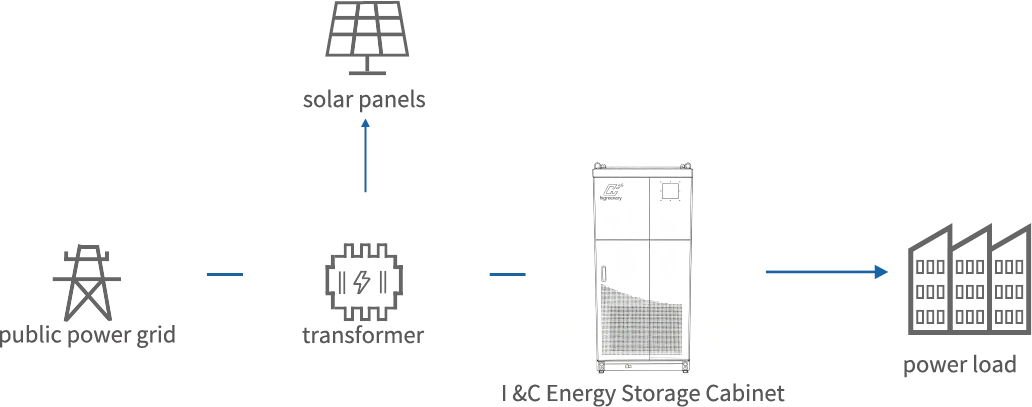
To appreciate the gravity of efficiency, one must first understand what happens during the energy conversion lifecycle. When an energy storage facility absorbs excess power from the grid (charging), AC power must be rectified into DC power to be chemically stored in the battery cells. Conversely, when the grid demands power (discharging), that stored DC energy must be inverted back into grid-synchronized AC power.
This process is not lossless. Every time electricity passes through semiconductor switches, transformers, filters, and chokes, a fraction of that energy is lost, primarily dissipated as heat. These losses generally fall into four primary categories:
- Switching Losses: Occur every time the insulated-gate bipolar transistors (IGBTs) or other semiconductor components turn on and off.
- Conduction Losses: Stem from the natural electrical resistance within the semiconductor materials while current is flowing.
- Magnetic Core Losses: Generated within the transformers and inductors used to step up voltage and filter the power output.
- Quiescent/Standby Losses: The baseline power required just to keep the control systems, sensors, and cooling mechanisms operational, even when no active charging or discharging is occurring.
Understanding these loss mechanisms highlights why maximizing Power Conversion Efficiency is crucial. In a megawatt-scale system, a fraction of a percentage point in lost efficiency translates to massive amounts of wasted electricity over the project’s lifecycle.
The Anatomy of Energy Losses and Thermal Management
The immediate physical consequence of conversion inefficiency is heat generation. The laws of thermodynamics dictate that the energy lost during the inversion and rectification processes does not simply vanish; it is converted into thermal energy. This creates a cascading technical challenge known as the thermal domino effect.
If a 100-megawatt (MW) conversion system operates at 96% efficiency, it is generating roughly 4 MW of heat at full load. This immense thermal output must be actively managed to prevent component degradation, catastrophic failure, or thermal runaway in adjacent battery enclosures. Consequently, the facility must deploy aggressive HVAC (Heating, Ventilation, and Air Conditioning) or liquid cooling systems.
These cooling systems, paradoxically, require electricity to run, creating a parasitic load that further reduces the net round-trip efficiency of the entire facility. The harder the cooling systems have to work to counteract conversion losses, the lower the overall yield of the plant. High-efficiency conversion hardware minimizes this heat generation at the source, drastically reducing the parasitic cooling load and extending the lifespan of sensitive electronic components that degrade faster in elevated temperatures.
Financial Impact and Total Cost of Ownership
From an investment perspective, the implications of suboptimal hardware are severe. Energy storage projects are highly sensitive financial instruments, often evaluated using the Levelized Cost of Storage (LCOS). Revenue models are typically built on energy arbitrage (buying low and selling high) or providing grid ancillary services like frequency regulation and spinning reserve.
In an arbitrage scenario, the margin is defined by the price delta between charging and discharging. If a facility loses 5% of its energy during the charging phase and another 5% during the discharging phase, the total round-trip loss severely compresses profit margins. The operator is essentially paying for electricity they can never sell back to the grid. Over a standard 15 to 20-year project lifespan, these daily losses accumulate into millions of dollars in unrealized revenue.
Furthermore, excessive heat generation and the subsequent strain on cooling infrastructure directly impact ESS Operational Costs. Components subjected to higher thermal stress require more frequent maintenance, experience higher failure rates, and necessitate premature replacements. The wear and tear on HVAC systems running at maximum capacity also drive up routine maintenance budgets.
Standard vs. High-Efficiency Systems
To illustrate the tangible impacts, consider the following theoretical comparison of a 50 MW / 100 MWh energy storage facility operating over a 15-year lifecycle with daily cycling, comparing a standard tier system with a premium, high-efficiency system.
| Performance Metric | Standard Conversion System | Premium High-Efficiency System | Long-Term Impact |
|---|---|---|---|
| Peak Efficiency Rate | 95.5% | 98.5% | 3% more energy delivered to the grid per cycle. |
| Annual Energy Lost | ~1,642 MWh | ~547 MWh | Over 1,000 MWh saved annually, translating directly to bottom-line revenue. |
| Thermal Dissipation Load | High | Low | Reduces the capital expenditure (CAPEX) needed for heavy-duty HVAC sizing. |
| Cooling Parasitic Load | ~3% of total capacity | ~1% of total capacity | Leaves more usable energy available for dispatch. |
| Hardware Lifespan | 10 – 12 Years | 15 – 20 Years | Lower thermal stress delays or eliminates mid-life replacement cycles. |
Note: The figures in this table are illustrative estimates based on standard industry operating profiles and local grid pricing.
Next-Generation Semiconductor Technologies
The relentless pursuit of better performance has driven a technological revolution at the component level. Historically, silicon (Si) based IGBTs have been the workhorse of high-power industrial electronics. While reliable, silicon has physical limitations regarding how fast it can switch and how much heat it can withstand.
Today, the industry is rapidly transitioning toward Wide Bandgap (WBG) semiconductors, most notably Silicon Carbide (SiC) and Gallium Nitride (GaN). These advanced materials possess fundamentally different molecular structures that allow them to operate at significantly higher voltages, temperatures, and switching frequencies compared to traditional silicon.
Because SiC components can switch on and off much faster, they drastically reduce switching losses. Furthermore, their ability to operate at higher temperatures means that thermal management systems can be downsized. By adopting SiC technology, manufacturers are pushing the boundaries of Power Conversion Efficiency higher, frequently breaching the 98% to 99% threshold in optimal conditions. This leap forward allows developers to design smaller, lighter, and more power-dense enclosures, reducing shipping, installation, and real estate costs.
Grid Services and Dynamic Responsiveness
Beyond simple energy arbitrage, modern energy storage facilities must be highly dynamic to participate in lucrative grid ancillary services. As the penetration of solar and wind increases, the electrical grid loses the mechanical inertia traditionally provided by spinning fossil-fuel turbines. To maintain a stable frequency (e.g., 60 Hz in North America), the grid operator requires assets that can inject or absorb power in fractions of a second.
This requirement for microsecond responsiveness places immense demands on the power electronics. The conversion hardware must be capable of transitioning from full-power charging to full-power discharging almost instantaneously. High-quality systems not only perform this transition efficiently but also maintain perfect power quality—ensuring low Total Harmonic Distortion (THD) and perfect phase alignment with the grid. Substandard equipment may struggle with these rapid transitions, leading to software faults, localized overheating, or failure to meet the strict compliance standards required by grid operators to receive payment for frequency regulation services.
Future-Proofing Investments
The most advanced iterations of the ESS PCS now incorporate edge computing and machine learning algorithms. These smart systems can dynamically adjust their switching frequencies and operational parameters in real-time based on the specific load profile, ambient weather conditions, and the state-of-health of the battery racks. By optimizing operation on a millisecond basis, these intelligent systems ensure maximum yield regardless of external variables.
Moreover, predictive maintenance algorithms constantly monitor the health of internal components like capacitors and fans. By identifying anomalies before they result in a critical failure, operators can schedule targeted maintenance during planned downtime. This proactive approach is the ultimate strategy for minimizing long-term ESS Operational Costs, ensuring that the facility remains a reliable, revenue-generating asset rather than a maintenance burden.
Conclusion
In the complex ecosystem of renewable energy integration, battery chemistry often steals the spotlight. However, the financial viability, safety, and grid-supporting capabilities of any energy storage project are fundamentally anchored by the performance of its power conversion hardware.
Efficiency is not merely a technical specification on a datasheet; it is a profound financial multiplier. It dictates the sizing of thermal management systems, determines the volume of sellable energy, influences the lifespan of the equipment, and ultimately shapes the total cost of ownership. As semiconductor technology advances and software becomes increasingly sophisticated, investing in high-efficiency conversion infrastructure is the most reliable pathway to maximizing the profitability and longevity of modern energy storage assets.
FAQs
1. What is the typical efficiency range for modern utility-scale energy storage inverters?
Most standard utility-scale inverters operate at peak efficiencies between 95% and 96.5%. However, premium systems utilizing advanced topologies and Silicon Carbide (SiC) semiconductors can achieve peak efficiencies ranging from 98% to over 99%, significantly reducing energy losses over the life of the project.
2. How does ambient temperature affect the performance of power conversion equipment?
High ambient temperatures force the internal cooling systems (fans or liquid pumps) to work much harder to prevent the semiconductors from overheating. This increases the parasitic power load, which lowers the net efficiency of the system. In extreme heat, if the cooling system cannot keep up, the inverter may “derate” (automatically reduce its power output) to protect itself from thermal damage.
3. Can software updates improve the efficiency of existing energy storage facilities?
Yes, to a certain extent. While hardware physical limits remain fixed, advanced “Over-The-Air” (OTA) software and firmware updates can optimize the internal control algorithms. Updates can refine switching patterns, improve how the system responds to variable grid loads, and optimize thermal management triggers, all of which can yield marginal but financially impactful improvements in overall operational efficiency.