






From Data Centers to Mining: Specialized Applications for Liquid-Cooled Power Conversion
Release time: 2026-07-20
In an era characterized by an unprecedented reliance on digital infrastructure and the intensive computational demands of emerging technologies, the efficient management of power and thermal loads has become a critical operational imperative. From the sprawling server farms that form the backbone of the internet to the high-density computing rigs dedicated to cryptocurrency extraction, the need for robust, reliable, and scalable energy solutions is paramount. This article explores the transformative role of advanced thermal management strategies, specifically focusing on specialized applications across diverse high-demand sectors.
The relentless pursuit of processing power inevitably leads to increased heat generation. Traditional air-cooling methods are rapidly reaching their physical limitations, struggling to maintain optimal operating temperatures in densely packed environments. This inefficiency not only compromises performance but also leads to exorbitant energy costs and environmental concerns. As industries strive for greater sustainability and operational efficiency, a paradigm shift is underway, moving towards innovative cooling architectures that offer superior heat dissipation and energy optimization.
The Growing Challenge of Thermal Management in High-Density Environments
The fundamental challenge lies in the physics of computation. As semiconductors become smaller and more powerful, the power density—and consequently, the heat density—increases exponentially. When this localized heat is not effectively removed, it leads to thermal throttling, where processors automatically reduce their speed to prevent physical damage. In severe cases, inadequate cooling can result in catastrophic hardware failure.
Historically, facilities relied on massive heating, ventilation, and air conditioning (HVAC) systems. These systems circulate chilled air through raised floors and hot/cold aisle containment structures. However, air is a poor conductor of heat. The energy required to move sufficient volumes of air to cool modern, high-density racks often rivals the energy consumed by the IT equipment itself. This escalating ratio of cooling energy to compute energy is unsustainable.
The imperative, therefore, is to adopt technologies that utilize more efficient heat transfer mediums. Fluids, due to their significantly higher specific heat capacity and thermal conductivity compared to air, present a logical solution. By capturing heat closer to the source—at the component level—fluid-based systems can dramatically reduce the energy required for thermal management, enabling higher rack densities and improving overall facility efficiency.
Transforming the Modern Digital Backbone
The exponential growth of cloud computing, artificial intelligence (AI), and streaming services has placed immense pressure on the facilities that house this infrastructure. These critical hubs operate 24/7, requiring uninterrupted power and precise environmental control. The shift towards higher compute densities is rendering traditional air-cooling methodologies obsolete in these demanding environments.
The Imperative for Advanced Cooling
To understand the necessity of advanced cooling, consider the Power Usage Effectiveness (PUE) metric, a standard measure of facility efficiency. A PUE of 1.0 represents a theoretical ideal where all energy is consumed by IT equipment. In many legacy facilities utilizing air cooling, PUEs hover around 1.5 to 2.0, meaning a significant portion of the total energy budget is wasted on cooling.
Implementing fluid-based thermal management can drastically reduce the PUE. By circulating a specialized dielectric fluid directly to the heat-generating components (such as CPUs and GPUs), these systems capture heat with remarkable efficiency. This targeted approach eliminates the need for massive air handlers and chillers, significantly reducing the facility’s carbon footprint and operational expenditures (OpEx).
Optimizing Energy Management
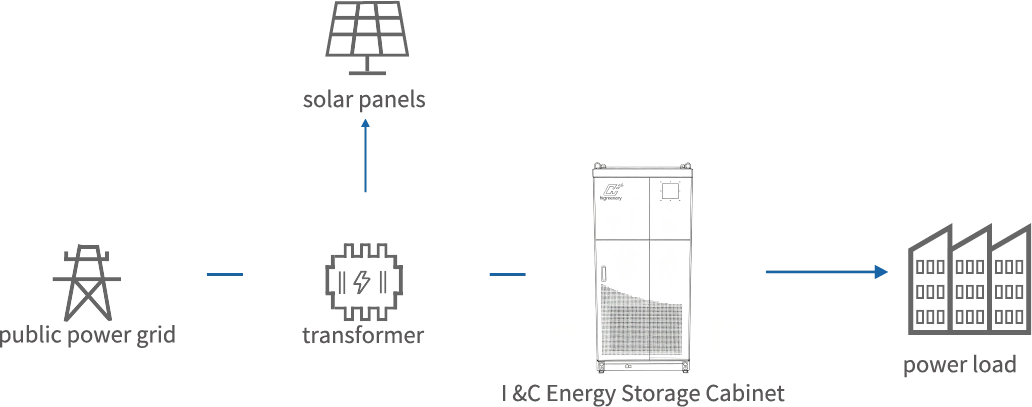
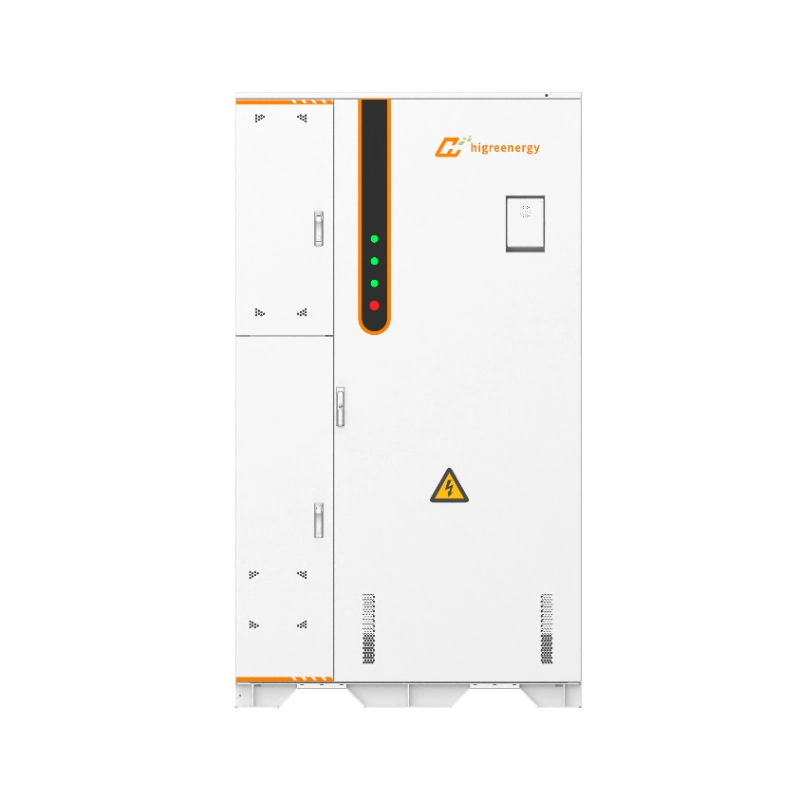
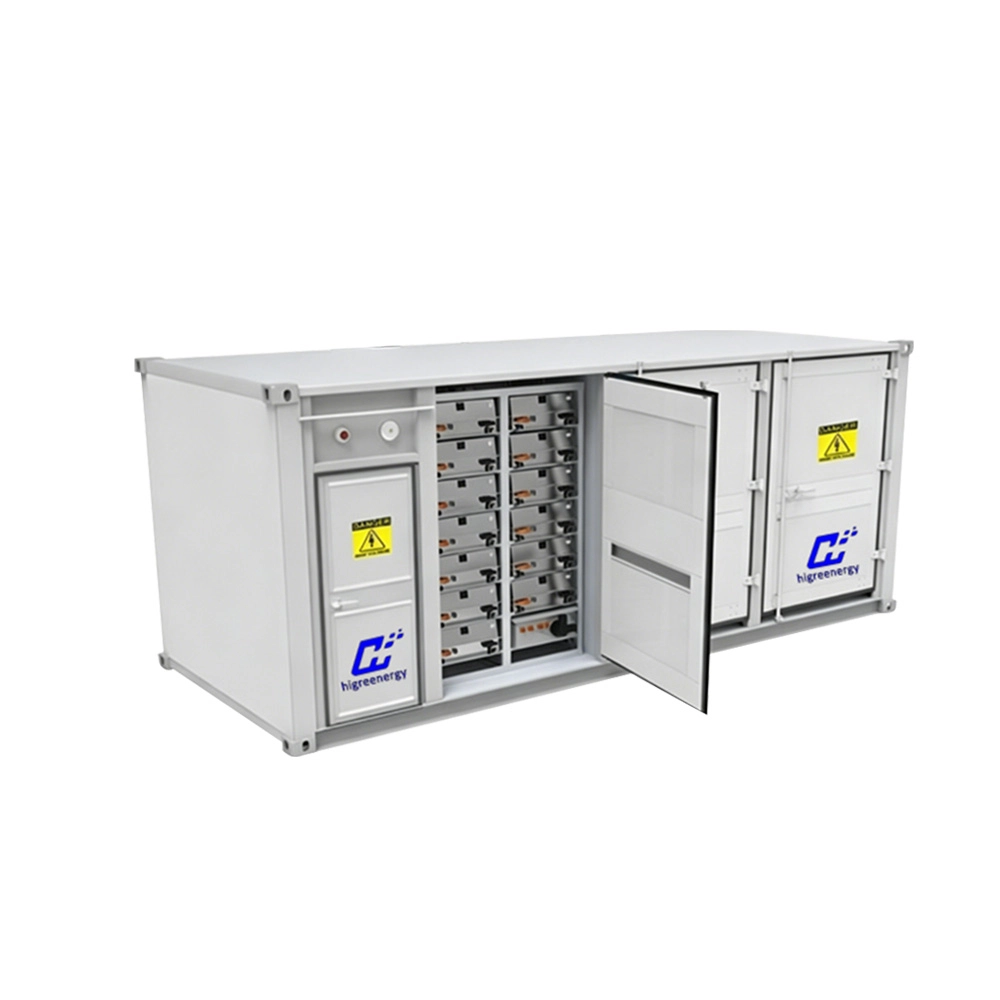
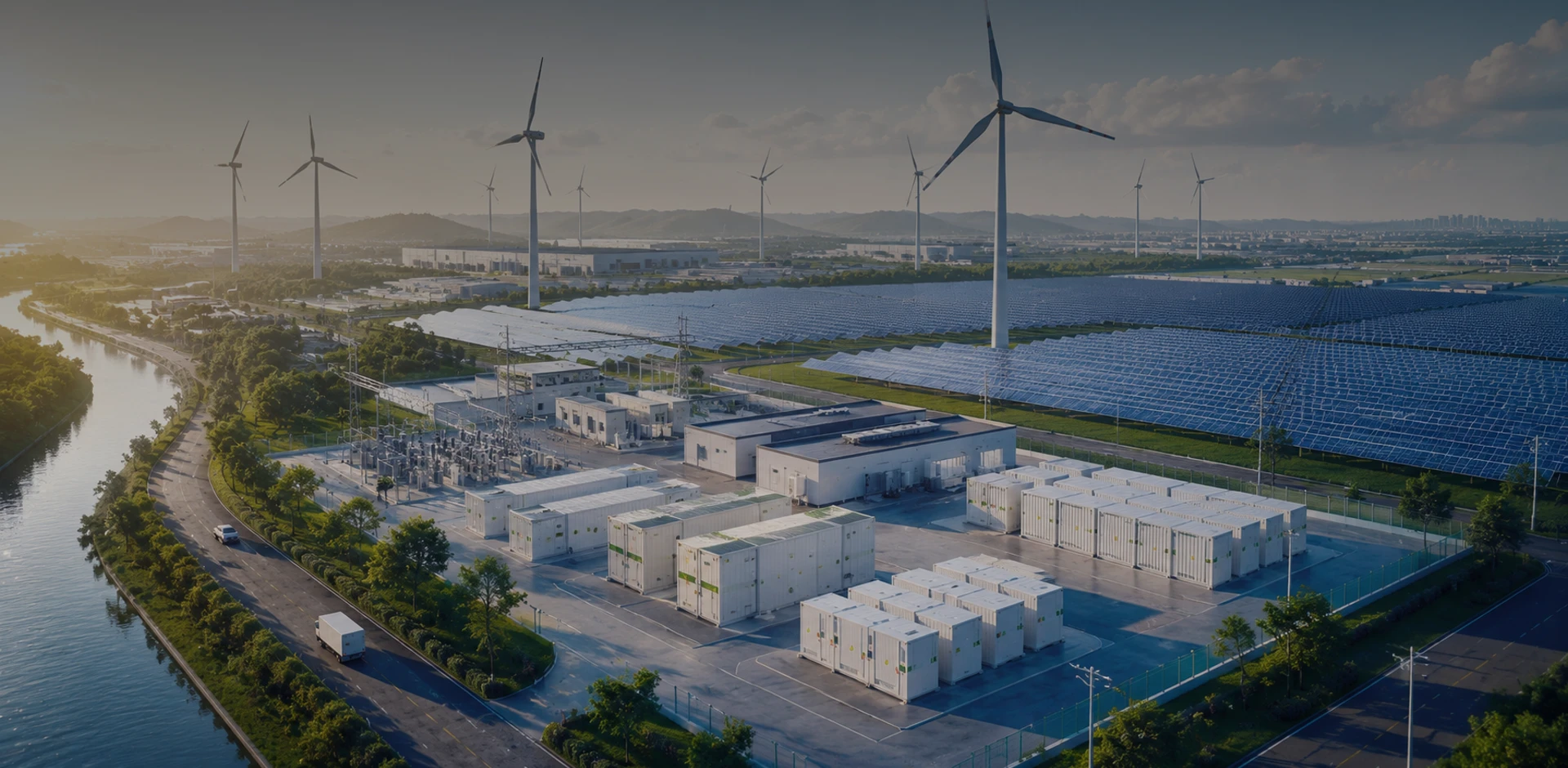
Beyond cooling, the integration of advanced energy management solutions is crucial for ensuring uptime and mitigating the impact of grid instability. The deployment of a robust Data Center ESS (Energy Storage System) provides a critical buffer against power fluctuations and outages.
These systems, often utilizing advanced lithium-ion battery chemistries, seamlessly transition to battery power during grid anomalies, ensuring continuous operation of critical workloads. Furthermore, a strategically implemented energy storage solution can be utilized for peak shaving—drawing power from the grid during off-peak hours when electricity is cheaper, and discharging it during periods of high demand to offset costly peak tariffs. This intelligent energy management not only guarantees reliability but also provides a tangible return on investment.
Extreme Computing: The demands of Digital Extraction
The sector dedicated to cryptographic validation and digital asset extraction represents one of the most extreme use cases for high-density computing. The specialized hardware (ASICs) utilized in these operations runs continuously at maximum utilization, generating immense amounts of heat. The profitability of these operations is inextricably linked to the cost of electricity and the efficiency of the hardware.
Overcoming the Heat Barrier
In this demanding sector, traditional air cooling is often insufficient to prevent thermal throttling, leading to reduced hash rates and diminished returns. The dense configuration of ASIC miners necessitates a thermal management solution capable of handling exceptional heat loads.
Immersion cooling, a specific subset of fluid-based thermal management, has gained significant traction. In this approach, the entire computing rig is submerged in a non-conductive, engineered fluid. This fluid directly contacts all components, providing unparalleled heat extraction. This method not only prevents thermal throttling but also allows for safe overclocking, maximizing the hardware’s processing capabilities and, consequently, its yield.
Moreover, immersion cooling extends the lifespan of the hardware by protecting it from dust, humidity, and the physical stress of constant temperature fluctuations associated with air cooling. This reduction in capital expenditure (CapEx) for hardware replacement is a critical factor in the long-term viability of these operations.
Ensuring Stable Operations in Remote Locations
Operations in this sector are frequently located in remote areas with access to cheap, often renewable, but sometimes intermittent power sources (e.g., stranded hydro or solar). The integration of robust energy storage is vital in these scenarios. A specialized Mining Energy Storage solution ensures that operations can continue smoothly even during periods of power fluctuation or brief outages, maximizing uptime and profitability. This capability is particularly crucial when utilizing variable renewable energy sources, smoothing the power supply and ensuring consistent hashing performance.
The Convergence of Power Conversion and Thermal Management
At the heart of these advanced computing environments is the necessity to convert power efficiently. The electricity supplied by the grid (typically AC) must be converted and stepped down to the precise DC voltages required by microprocessors. This conversion process is inherently inefficient, generating its own significant heat load.
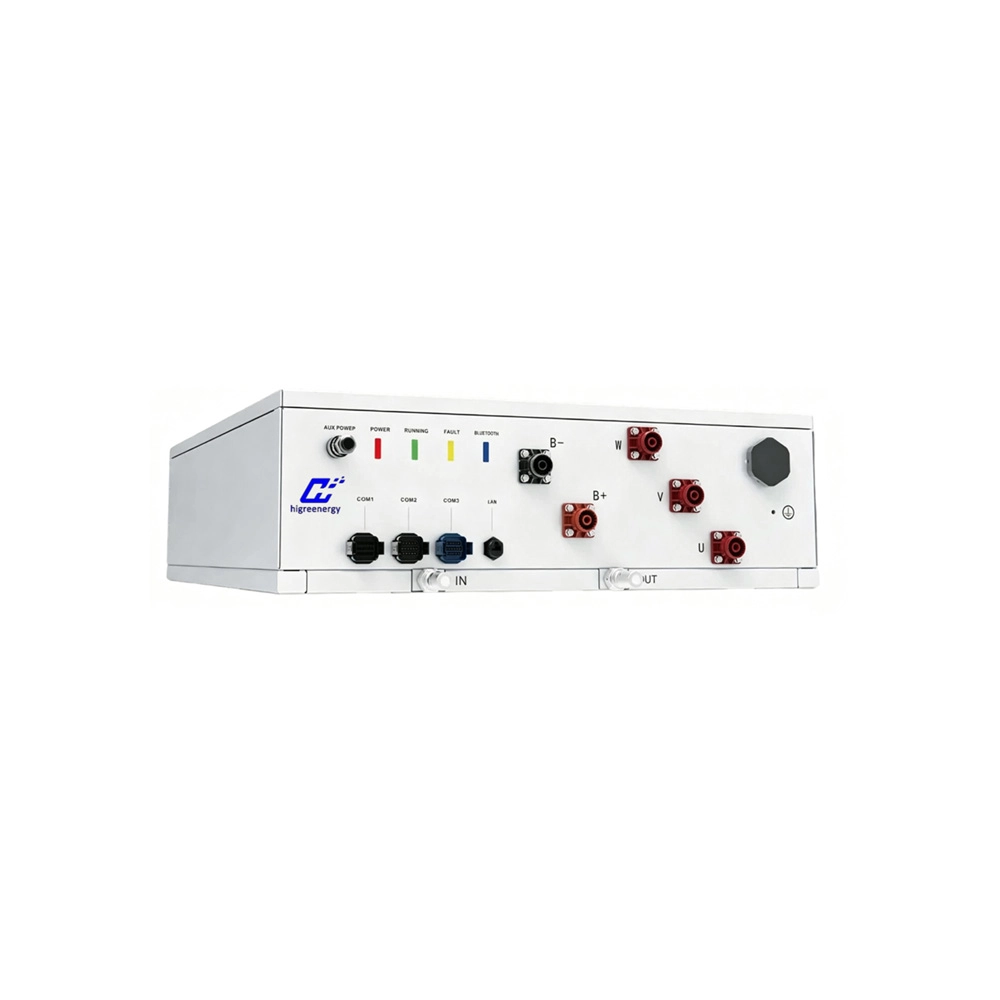
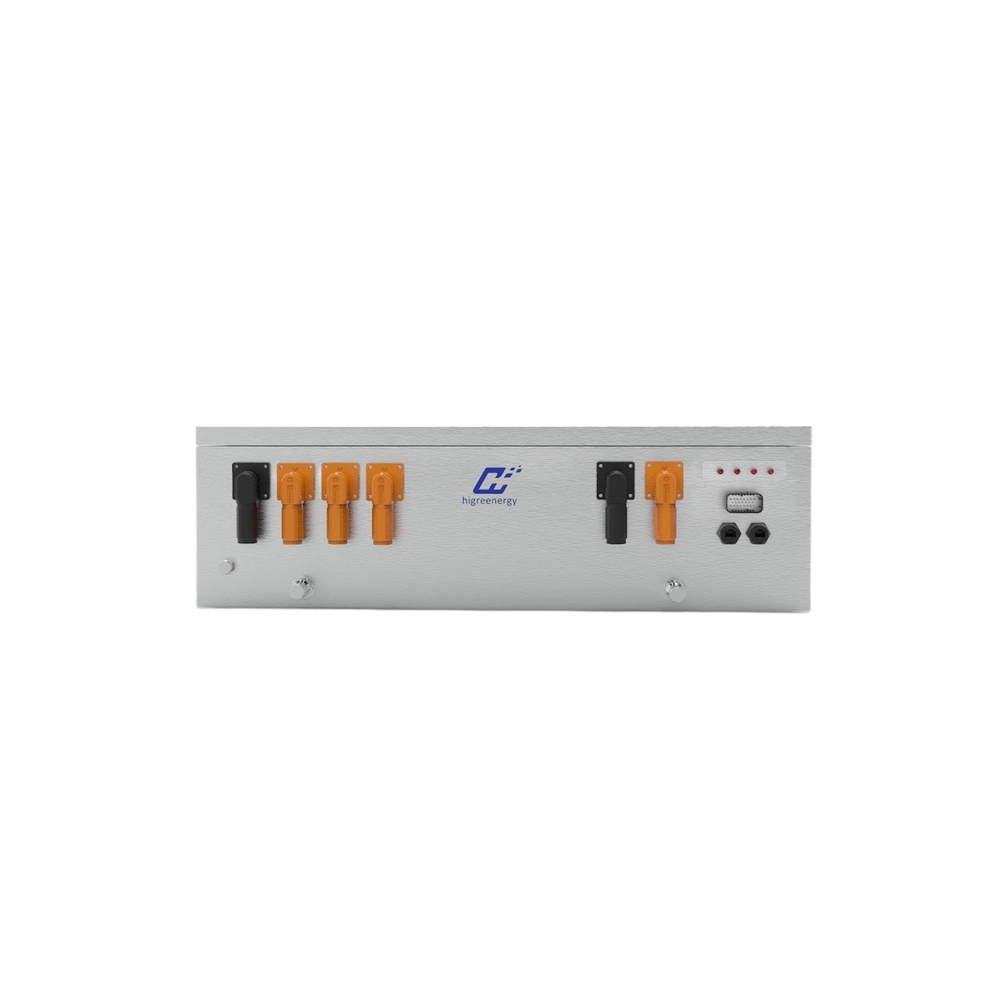
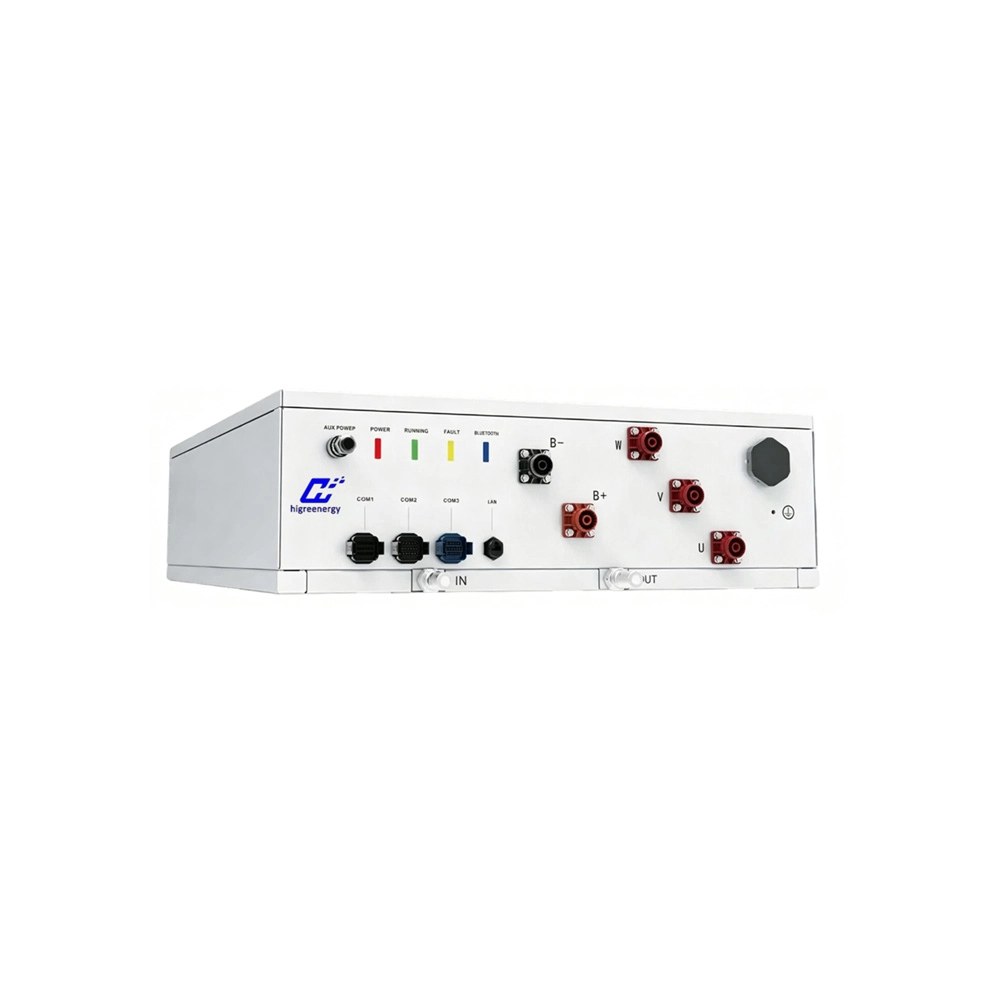
The development of a highly efficient Liquid-Cooled Power Conversion System represents a critical advancement. By integrating fluid cooling directly into the power distribution and conversion infrastructure, these systems minimize energy losses and drastically reduce the heat added to the environment.
The Architecture of Efficiency
Traditional power conversion units rely on internal fans and heat sinks, adding to the overall noise and thermal burden of the facility. A fluid-cooled architecture replaces these components with cold plates or direct fluid routing, capturing the heat generated during the power conversion process at its source.
This integrated approach offers several key advantages:
- Increased Efficiency: Fluid cooling allows power components to operate at optimal temperatures, reducing thermal resistance and improving the overall efficiency of the conversion process.
- Higher Density: By eliminating the need for bulky air-cooling components, power conversion units can be designed with a significantly smaller footprint, freeing up valuable space for revenue-generating IT equipment.
- Enhanced Reliability: The reduction in thermal stress and the elimination of moving parts (fans) significantly improve the mean time between failures (MTBF) of the power infrastructure.
| Feature | Traditional Air-Cooled Power Conversion | Fluid-Cooled Power Conversion Architecture |
|---|---|---|
| Cooling Medium | Air | Engineered Dielectric Fluid / Water |
| Heat Capture | Indirect (Heatsinks & Fans) | Direct (Cold Plates / Immersion) |
| Space Requirement | High (Requires airflow clearance) | Low (Compact design) |
| Noise Level | High (Multiple fans) | Minimal to Zero |
| Maintenance | Regular (Filter cleaning, fan replacement) | Low (Closed-loop systems) |
| Energy Efficiency | Moderate (Fan energy overhead) | High (Reduced parasitic loads) |
Integrating for Maximum Impact
The true potential of these technologies is realized when they are integrated into a cohesive, holistic system. A modern facility can leverage a highly efficient power conversion architecture to minimize initial heat generation, coupled with advanced thermal management (like direct-to-chip or immersion) to remove the heat from the compute nodes.
This comprehensive approach is essential for managing the demands of next-generation workloads. As power densities continue to climb—driven by advancements in AI, machine learning, and high-performance computing (HPC)—the integration of these specialized applications will transition from a competitive advantage to a fundamental requirement.
Conclusion
The escalating thermal and power demands of modern digital infrastructure require a fundamental rethinking of traditional operational strategies. Whether managing the diverse workloads of a large-scale facility or maximizing the throughput of specialized cryptographic operations, the shift towards advanced thermal management is inevitable.
By embracing technologies that optimize heat transfer and integrating robust energy storage solutions, operators can achieve unprecedented levels of efficiency, reliability, and sustainability. The convergence of efficient power conversion and targeted thermal management provides a clear pathway to overcoming the limitations of legacy systems, enabling the continued growth and evolution of the digital economy. The future of high-density computing lies not in blowing more air, but in harnessing the superior thermal properties of specialized fluid architectures.
FAQs
1. What is the primary advantage of fluid-based thermal management over traditional air cooling?
The primary advantage is efficiency. Fluids (like engineered dielectric liquids or water) have a much higher heat capacity and thermal conductivity than air. This means they can absorb and transport significantly more heat using less energy, allowing for much higher compute densities and lower overall facility energy consumption (improved PUE).
2. How does energy storage benefit a facility that is already connected to the power grid?
Energy storage provides several critical benefits even with grid connectivity. Primarily, it acts as a robust uninterruptible power supply (UPS), protecting sensitive equipment from grid instability, voltage sags, and short-term outages. Additionally, it allows for “peak shaving”—using stored energy during times when grid electricity is most expensive, thereby reducing operational costs.
3. Is immersion cooling safe for electronic components?
Yes, when implemented correctly. Immersion cooling utilizes specially engineered dielectric fluids that do not conduct electricity. Therefore, submerging electronic components in these fluids does not cause short circuits. In fact, immersion cooling can protect components from environmental contaminants like dust and moisture, and by maintaining a consistent temperature, it can reduce thermal stress and extend hardware lifespan.