








-
What is round-trip efficiency?
Round-trip efficiency measures how much energy can be recovered from a battery compared to the amount of energy used to charge it. Higher round-trip efficiency means lower energy losses and improved system performance.
-
Is battery energy storage safe?
Higre energy battery energy storage systems incorporate multiple layers of protection, including battery management systems (BMS), thermal management, fire protection, and intelligent monitoring to ensure safe operation.
-
Who is Higre Energy?
Higre Energy is a global smart energy solution provider specializing in energy storage systems, solar water pumping systems, microgrid solutions, and smart energy management platforms. Backed by strong R&D capabilities and extensive international project experience, Higre Energy delivers reliable energy solutions for commercial, industrial, agricultural, and utility-scale applications worldwide.
-
Why choose Higre Energy as a long-term technology partner?
Selecting an energy technology partner requires evaluating product reliability, technical expertise, solution capabilities, and long-term support commitment.
Higre Energy combines:
- Integrated R&D and manufacturing
- Smart energy technologies
- Energy storage expertise
- Solar water pumping experience
- Cloud-based monitoring platforms
- Global project support
Our objective is not only to supply equipment but also to help partners develop sustainable and profitable energy businesses.
-
How does Higre Energy support microgrid projects?
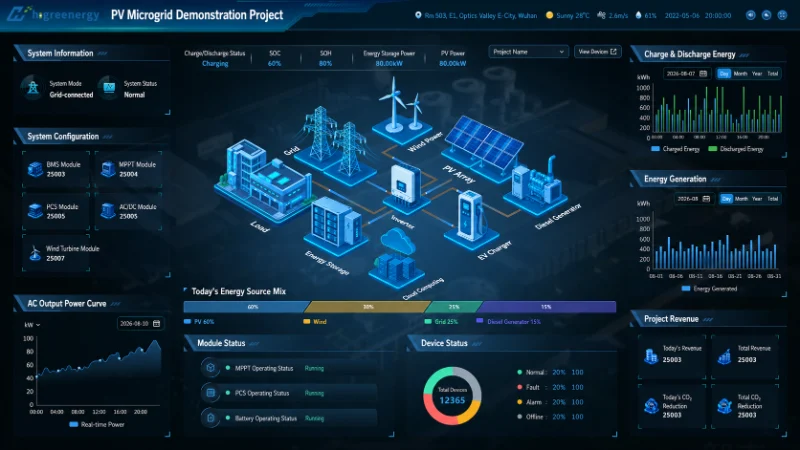
Microgrids require seamless integration of generation, storage, loads, and control systems. Effective coordination is critical to ensure reliability and operational efficiency.
The HG MID Cabinet serves as a central energy integration platform capable of coordinating: Solar PV Modules, Battery storage, Utility grid, Diesel generators, Critical loads
This architecture simplifies microgrid deployment and supports both grid-connected and islanded operation.
-
What support does Higre Energy provide to distributors?
Successful energy storage projects require more than equipment supply. Distributors often need technical assistance, project consultation, marketing resources, and after-sales support to successfully develop their markets.
Higre Energy supports distributors with: Product training, Technical documentation, Solution design support, Project engineering consultation, Marketing materials, Remote technical assistance, Cloud monitoring support.
Our goal is to help partners shorten sales cycles and improve project success rates.
-
Does Higre Energy offer project design support?
Project design is one of the most critical phases of any energy storage deployment. Proper system sizing and architecture directly impact project economics, reliability, and long-term performance.
Higre engineering team can support:
- Load profile analysis
- ESS sizing
- Peak shaving calculations
- Solar-plus-storage design
- Microgrid architecture
- Equipment selection
- Financial analysis support
For complex projects, the HG MID Cabinet can simplify multi-energy integration and system deployment.
-
What is utility interconnection?
Utility interconnection is the process of connecting an energy storage system to the electrical grid while complying with local utility, safety, and grid-code requirements.
The interconnection process typically includes: Electrical design review, Protection coordination, Utility approval, Commissioning testing, Grid compliance verification
Higre HGES Link PCS supports commercial and utility-scale grid-connected applications by enabling reliable power conversion between battery systems and utility networks.
The HG MID Cabinet can coordinate grid, solar PV, diesel generators, and battery storage resources, supporting both grid-connected and islanded operating modes.
Through HG ESS Cloud, operators can remotely monitor grid interaction, system performance, alarms, and energy dispatch strategies.
-
What is the difference between liquid cooling and air cooling?
Air cooling uses fans and airflow to remove heat from battery systems, while liquid cooling circulates coolant through dedicated thermal management circuits to maintain more consistent temperatures.
For high-capacity and high-cycle applications, liquid cooling generally provides: Better temperature uniformity, Improved battery lifespan, Higher operating efficiency, Reduced thermal stress.
-
What is thermal runaway in lithium batteries?
Thermal runaway is a chain reaction that occurs when a battery cell experiences uncontrolled temperature increases. Modern energy storage systems use battery management systems, thermal monitoring, fire detection, and thermal management technologies to minimize this risk.
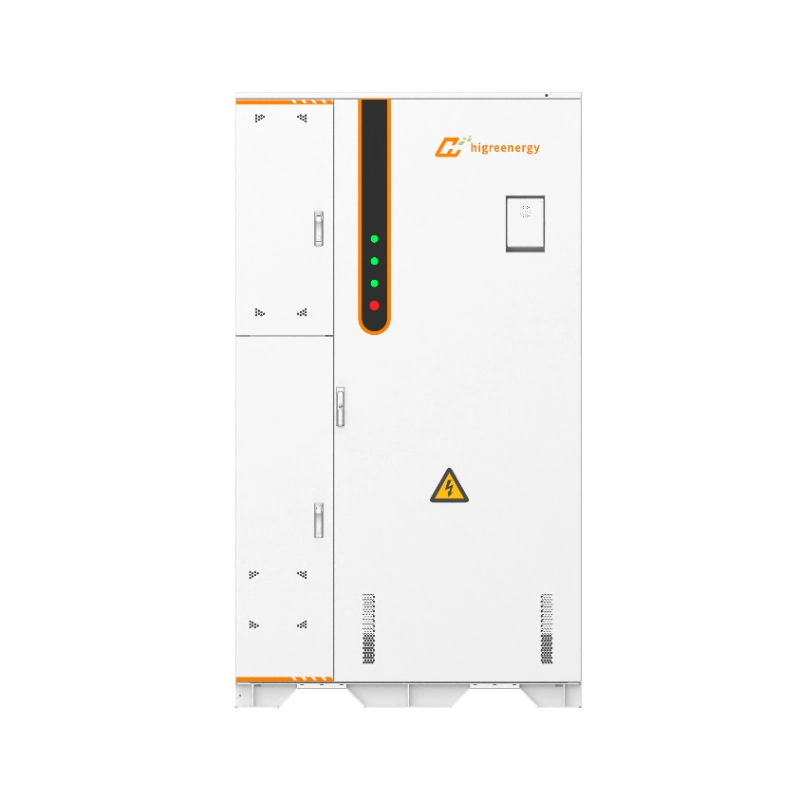
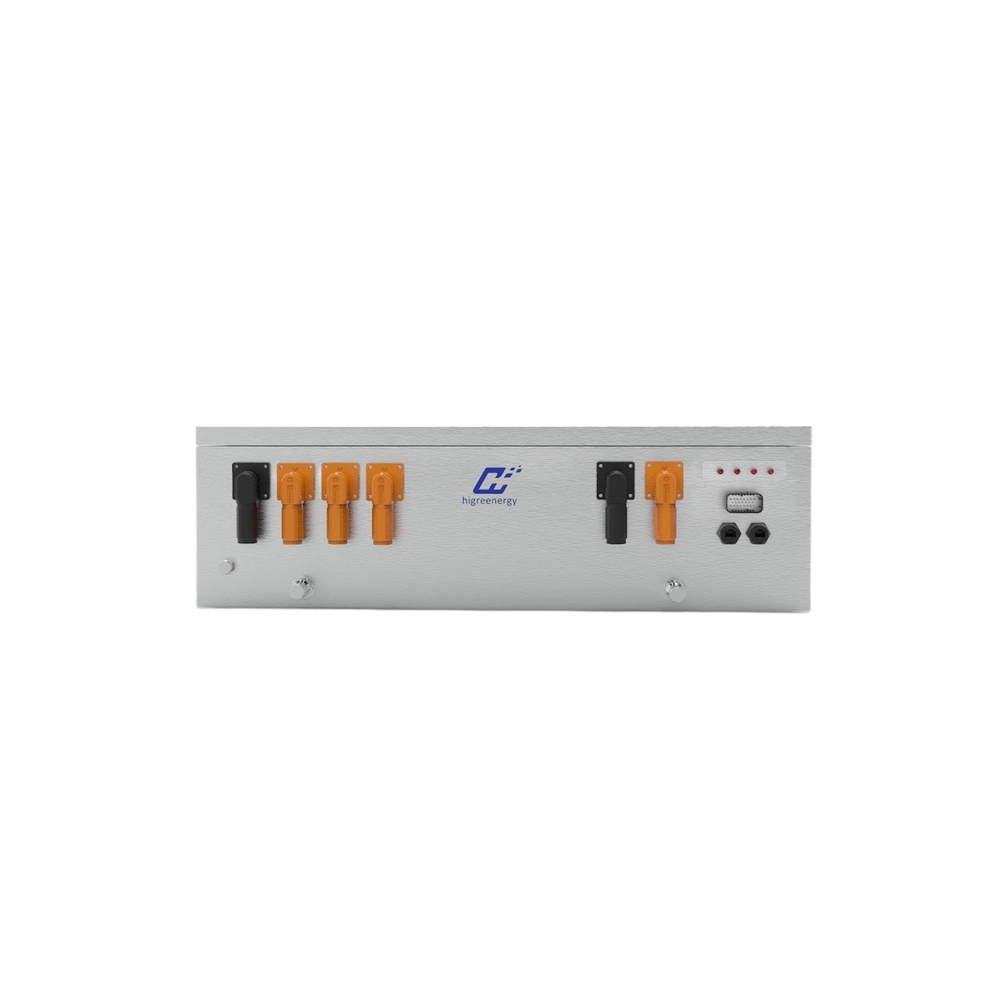
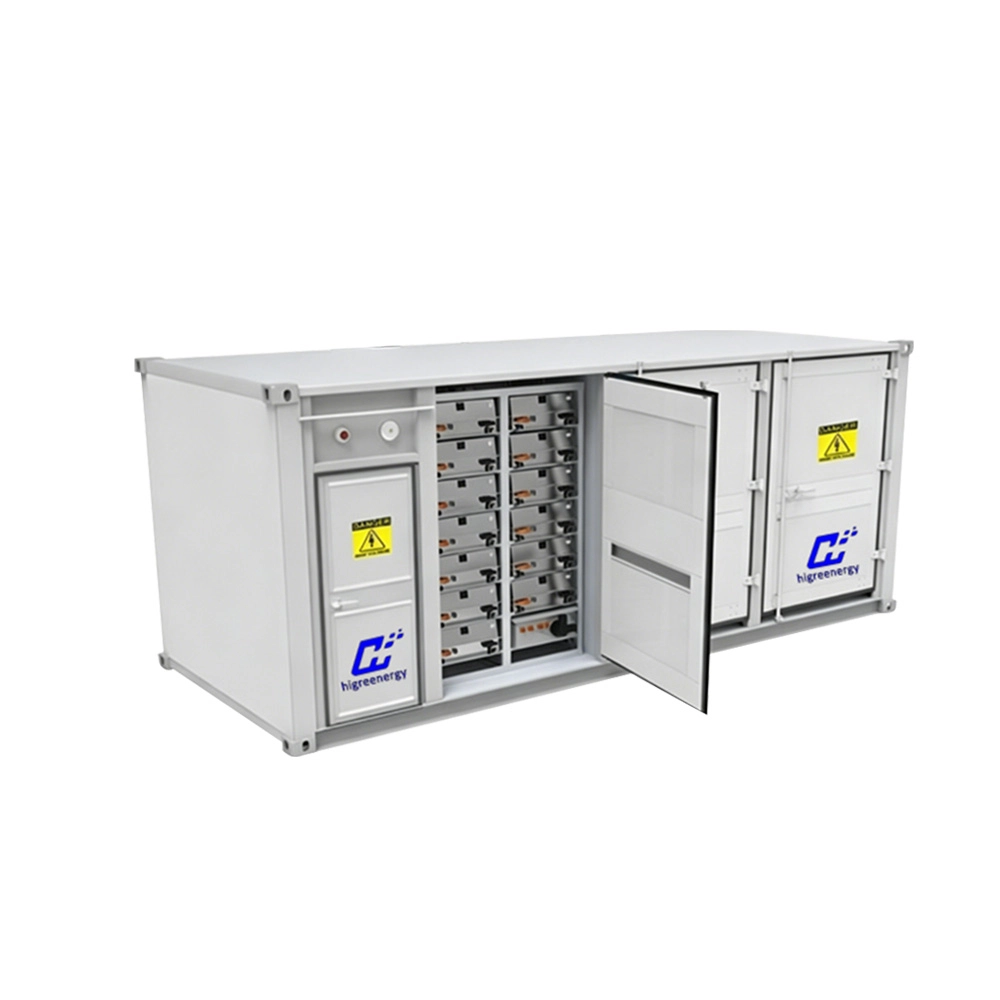
Higre HGES Stor cabinets incorporate multi-level battery protection architecture, including:Cell-level monitoring, Module-level protection, Battery Management System (BMS), Real-time temperature monitoring, Intelligent fault diagnosis.
For utility-scale applications, the HGES X Series integrates advanced thermal management and safety control systems designed to maintain stable operating temperatures under demanding environmental conditions.
The HG ESS Cloud continuously analyzes operational data and alarms, enabling remote monitoring and preventive maintenance.
- whatsapp:+86 18019566616
- Email: sales@higreenergy.com