








-
What is round-trip efficiency?
Round-trip efficiency measures how much energy can be recovered from a battery compared to the amount of energy used to charge it. Higher round-trip efficiency means lower energy losses and improved system performance.
-
What is utility interconnection?
Utility interconnection is the process of connecting an energy storage system to the electrical grid while complying with local utility, safety, and grid-code requirements.
The interconnection process typically includes: Electrical design review, Protection coordination, Utility approval, Commissioning testing, Grid compliance verification
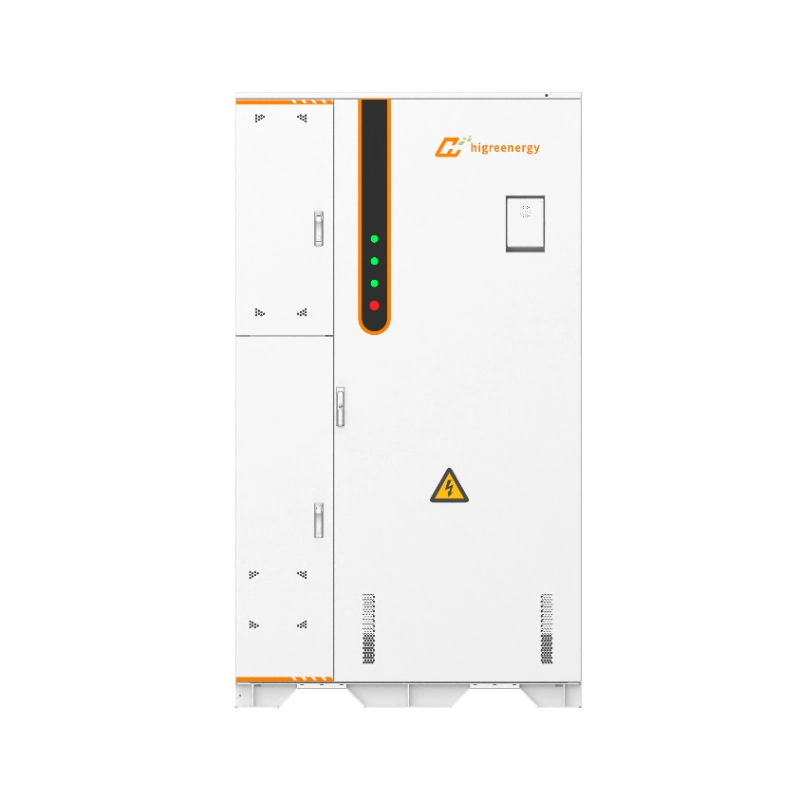
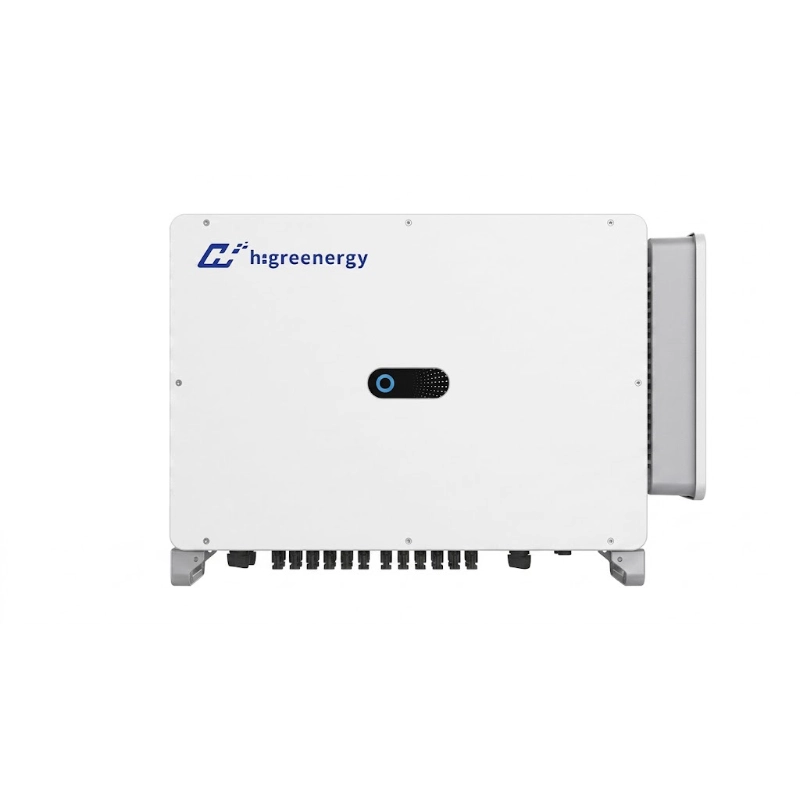
Higre HGES Link PCS supports commercial and utility-scale grid-connected applications by enabling reliable power conversion between battery systems and utility networks.
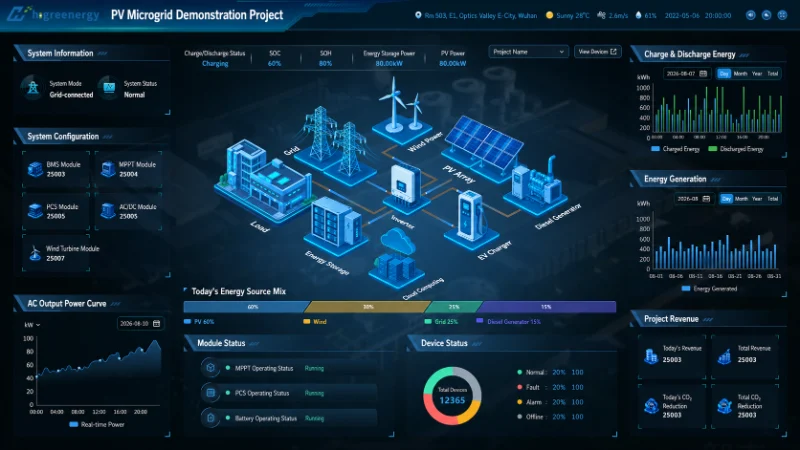
The HG MID Cabinet can coordinate grid, solar PV, diesel generators, and battery storage resources, supporting both grid-connected and islanded operating modes.
Through HG ESS Cloud, operators can remotely monitor grid interaction, system performance, alarms, and energy dispatch strategies.
-
What is the difference between liquid cooling and air cooling?
Air cooling uses fans and airflow to remove heat from battery systems, while liquid cooling circulates coolant through dedicated thermal management circuits to maintain more consistent temperatures.
For high-capacity and high-cycle applications, liquid cooling generally provides: Better temperature uniformity, Improved battery lifespan, Higher operating efficiency, Reduced thermal stress.
-
What is thermal runaway in lithium batteries?
Thermal runaway is a chain reaction that occurs when a battery cell experiences uncontrolled temperature increases. Modern energy storage systems use battery management systems, thermal monitoring, fire detection, and thermal management technologies to minimize this risk.
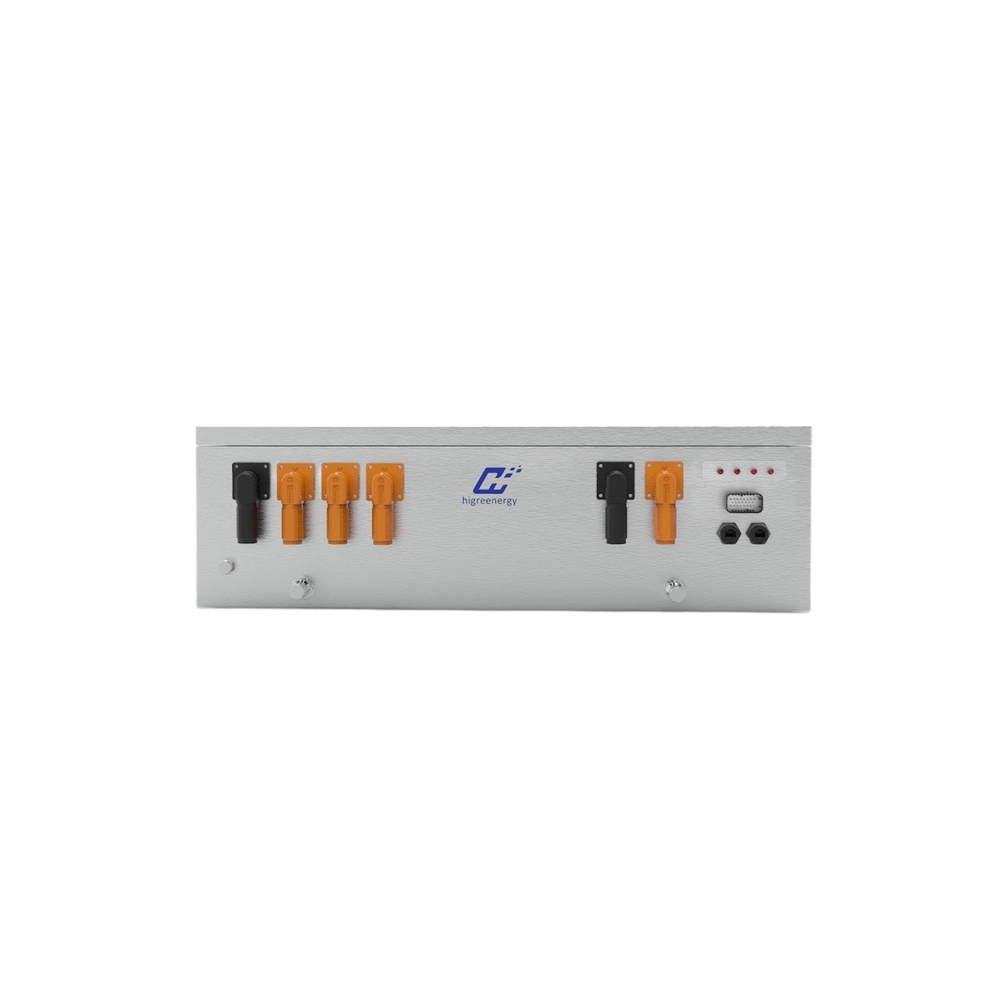
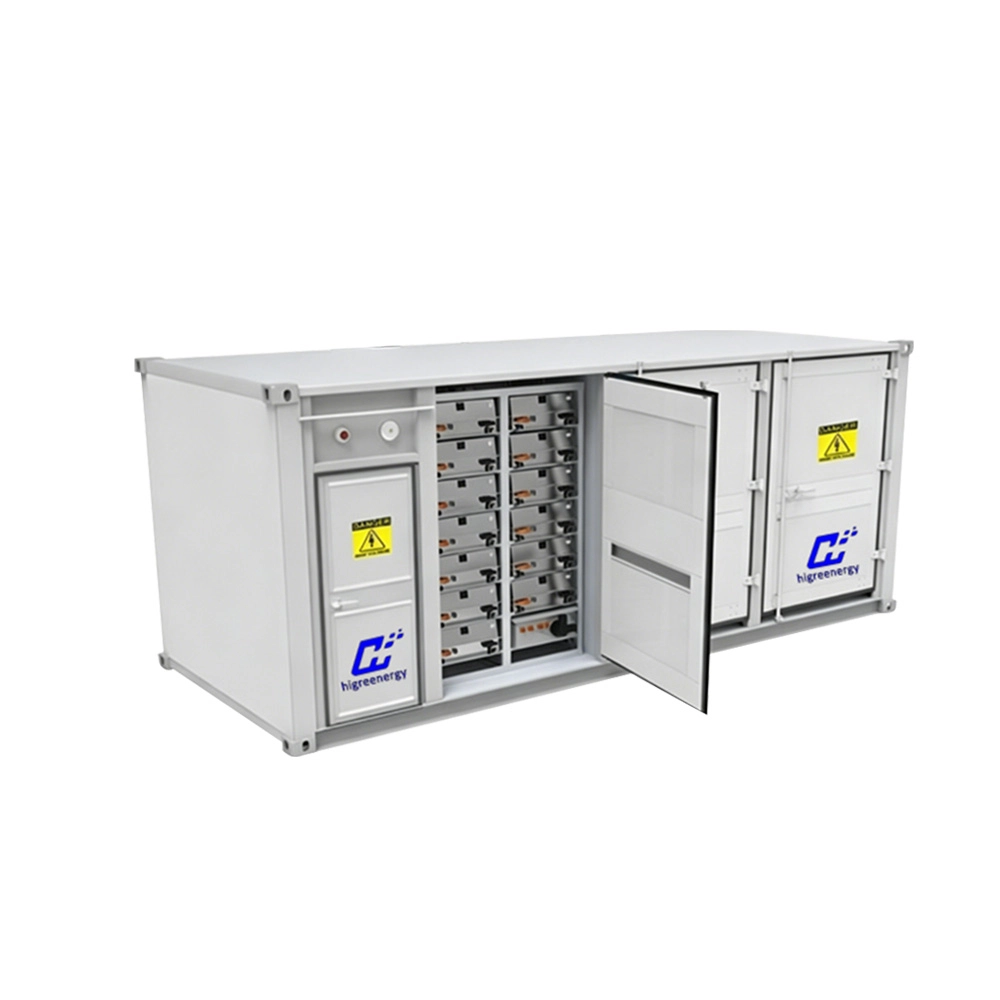
Higre HGES Stor cabinets incorporate multi-level battery protection architecture, including:Cell-level monitoring, Module-level protection, Battery Management System (BMS), Real-time temperature monitoring, Intelligent fault diagnosis.
For utility-scale applications, the HGES X Series integrates advanced thermal management and safety control systems designed to maintain stable operating temperatures under demanding environmental conditions.
The HG ESS Cloud continuously analyzes operational data and alarms, enabling remote monitoring and preventive maintenance.
-
What causes battery degradation in energy storage systems?
Battery degradation is a natural process that occurs over time due to charging and discharging cycles, operating temperatures, depth of discharge, and environmental conditions. Proper thermal management, intelligent battery management systems (BMS), and optimized operating strategies can significantly extend battery life and maintain long-term performance.
Higre HGES Stor series integrates intelligent battery management and thermal control technologies to maintain optimal battery operating conditions.
For larger projects, the HG MID Cabinet can coordinate multiple energy assets, automatically switching between grid, battery, solar PV, and backup power sources to reduce unnecessary battery cycling and extend battery service life.
Meanwhile, HG ESS Cloud provides real-time monitoring of battery SOC, SOH, temperature trends, and operating conditions, allowing operators to proactively identify factors that may accelerate battery degradation.
-
How does energy storage improve power reliability?
Energy storage systems can provide backup power, support critical loads during outages, stabilize voltage fluctuations, and improve overall energy resilience for commercial and industrial facilities.
-
What factors influence ESS return on investment (ROI)?
ESS ROI depends on electricity pricing structures, demand charges, system utilization, battery lifespan, local incentives, renewable energy integration, and operational strategies such as peak shaving and load shifting.
-
How long do commercial battery storage systems last?
The lifespan of a commercial battery storage system depends on battery chemistry, operating conditions, charge-discharge cycles, and maintenance practices. Higre LFP battery systems are ≥8000 cycles, designed for long-term operation and can support many years of reliable service.
-
What is demand charge reduction?
Demand charge reduction is the use of energy storage to lower a facility’s maximum power demand from the utility grid. Since many commercial electricity bills include demand charges based on peak power consumption, reducing these peaks can generate significant cost savings.
-
What is load shifting?
Load shifting involves charging batteries during periods of low electricity prices and discharging them when electricity prices are higher. This strategy helps businesses optimize energy costs under time-of-use (TOU) utility rate structures.
- whatsapp:+86 18019566616
- Email: sales@higreenergy.com