










Field Notes: Higre Energy Engineers Complete 5-Day Technical Deployment, Roll Out Modular Solar Pump Inverters
Release time: 2026-10-26
Table of Contents
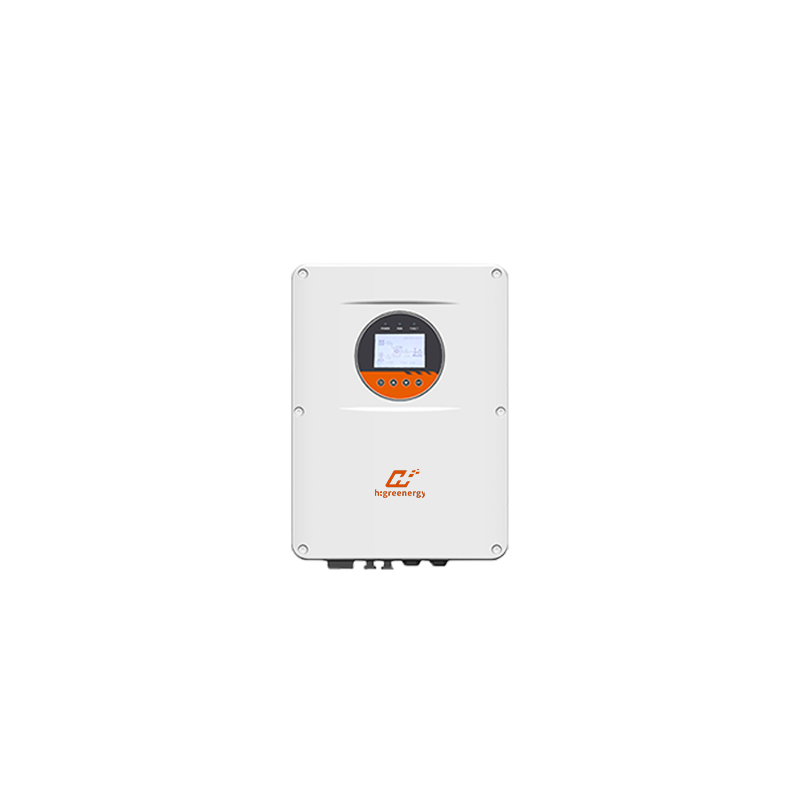
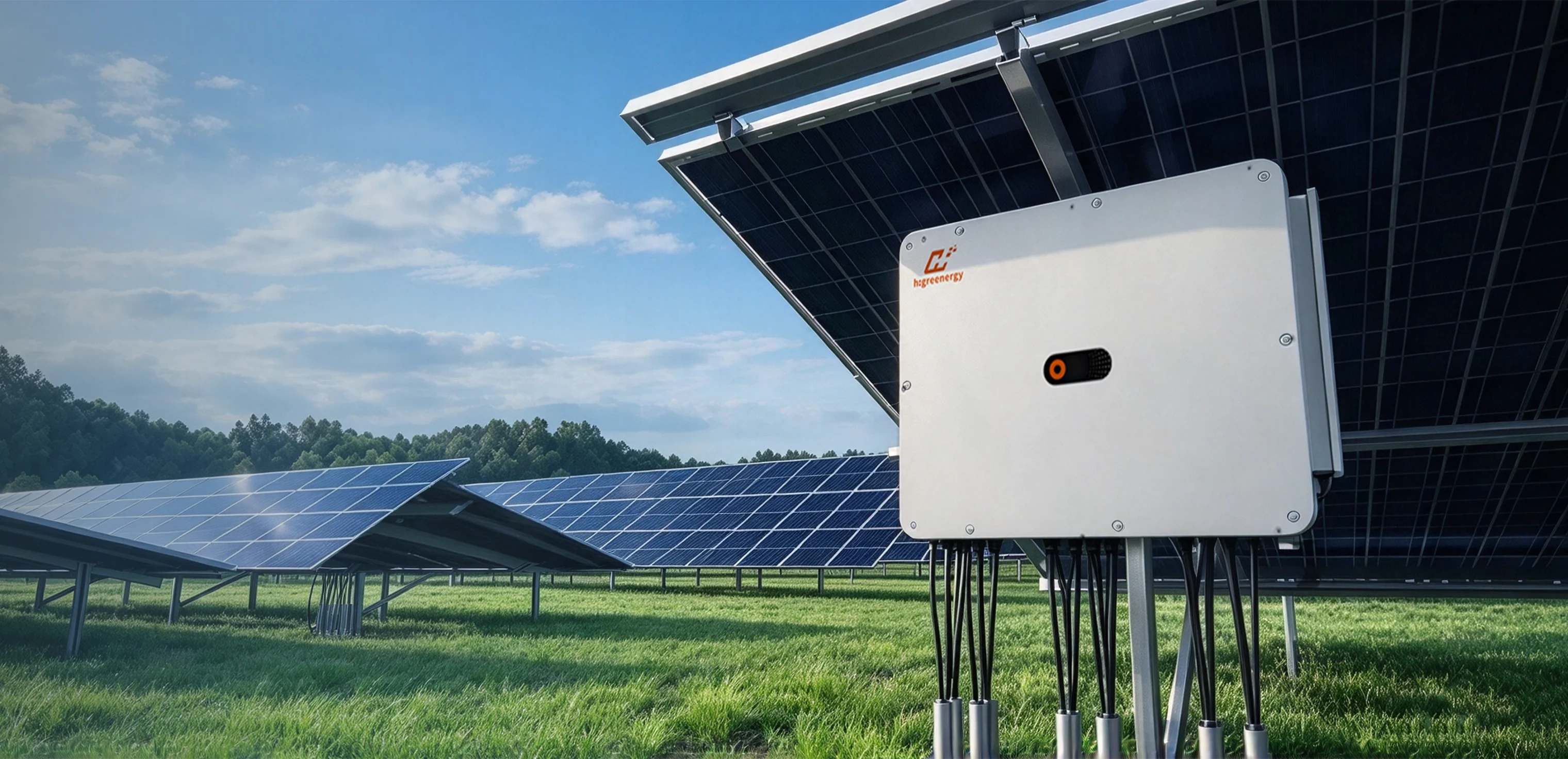
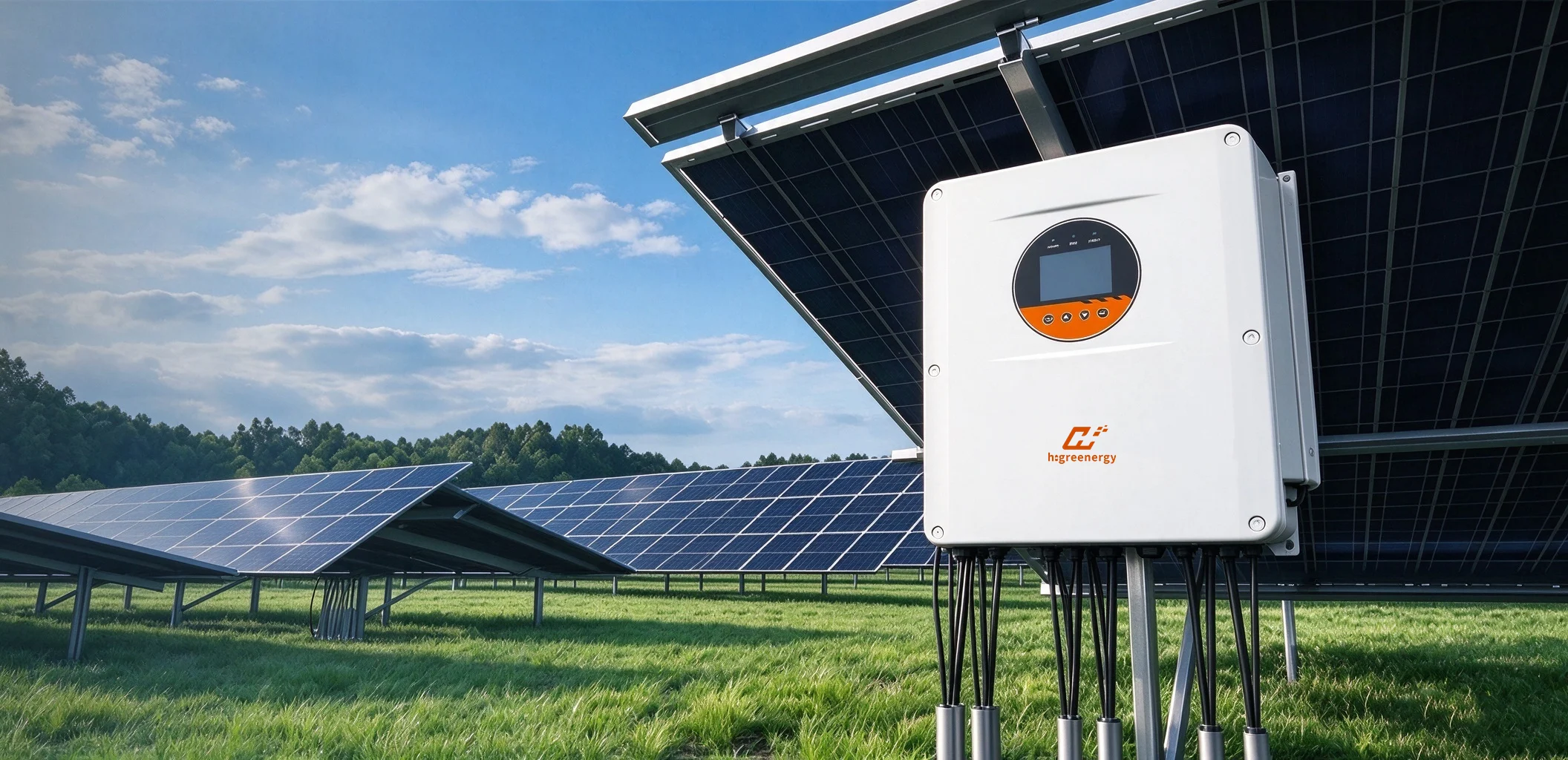
August 26, 2026 — Between August 21 and 25, a field engineering squad from Higre Energy deployed directly to customer project sites to conduct scheduled system diagnostics and commission the company’s updated 7.5 kW and 18.5 kW hybrid solar pump inverters.
Beyond routine calibrations, this site visit served as the first field rollout for Higre’s updated drive platform. The upgrade shifts core power electronics away from centralized boards toward an isolated, three-tier modular topology designed specifically to cut field service hours in rural and off-grid zones.

System Topology: Hybrid Off-Grid Irrigation Architecture
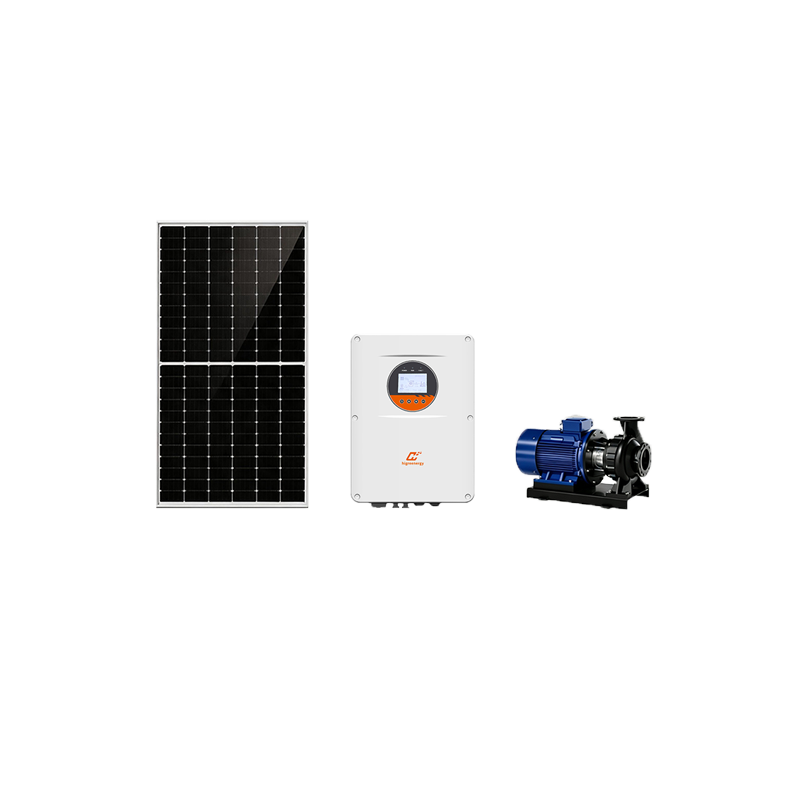
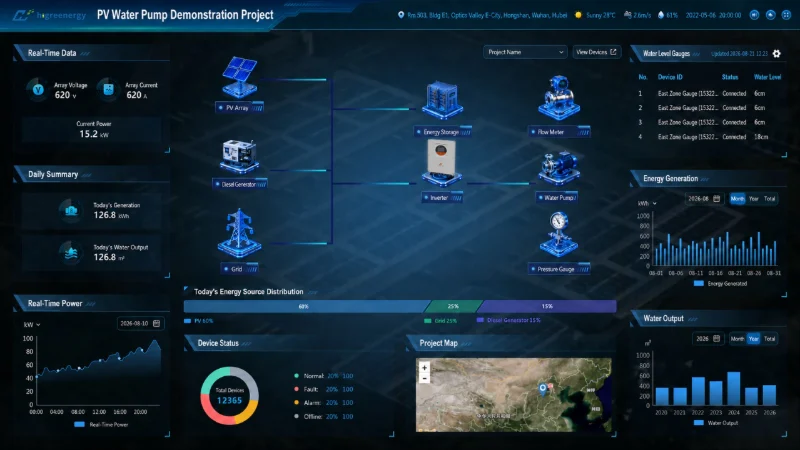
Designed specifically for off-grid agricultural pumping and decentralized water-supply schemes, the inverter functions as an autonomous power-routing hub:
- Dual Energy Inputs: The DC input channel draws variable power directly from ground or roof-mounted PV arrays across a wide MPPT window. To ensure uninterrupted operation through heavy cloud cover or nighttime irrigation windows, an auxiliary AC port accepts input from local distribution lines or backup diesel/propane generators.
- Autonomous Off-Grid Inversion: Operating independently from the utility grid, the system synthesizes dynamic three-phase AC output directly to drive surface pumps, high-head submersible motors, or standard industrial AC induction motors without requiring a battery bank. Intelligent soft-starting algorithms limit starting torque spikes, eliminating mechanical hydraulic shock along distribution piping.
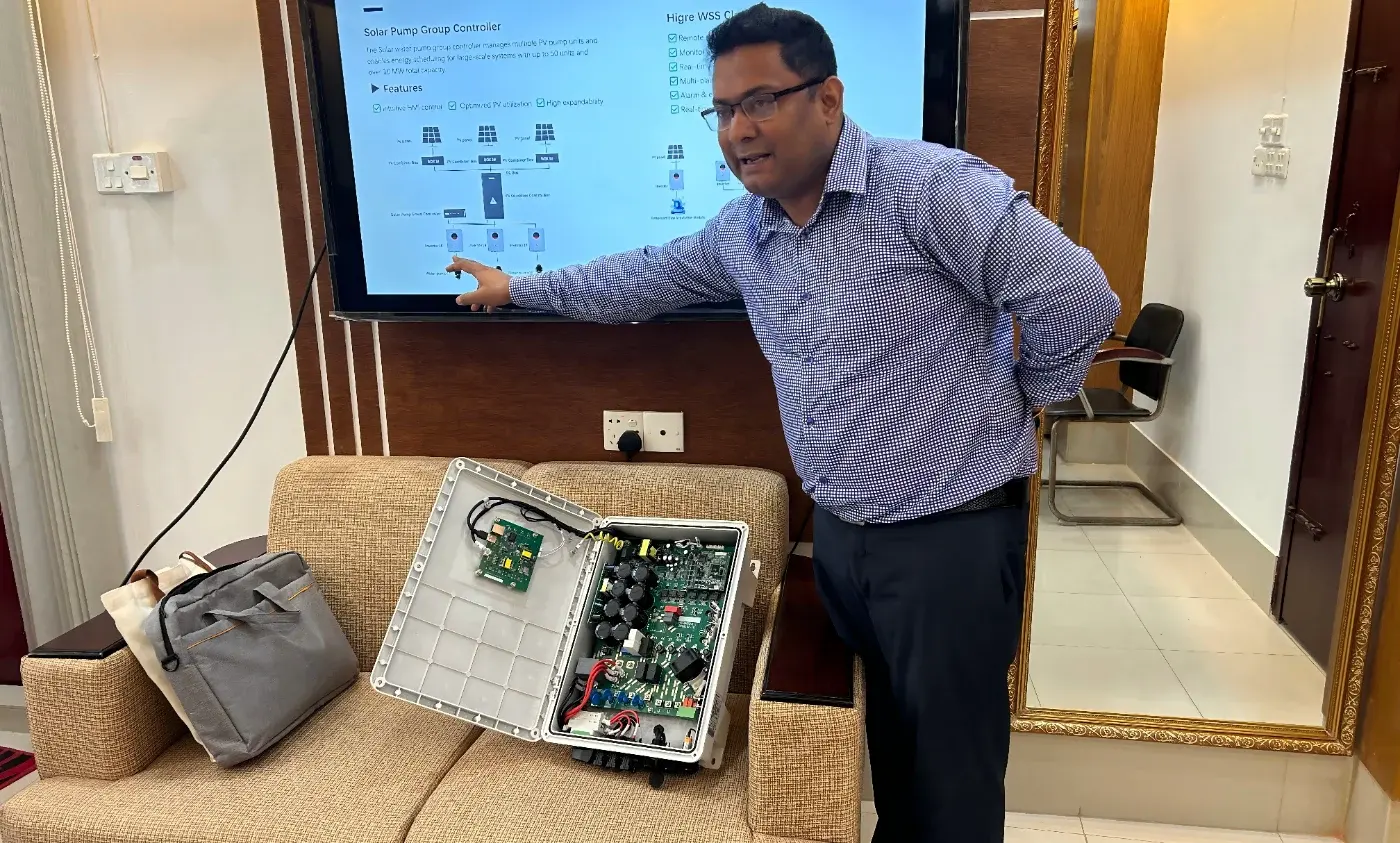
What Changed in the Hardware Architecture
Field teams frequently encounter inverters operating miles away from paved roads, cellular coverage, or service depots. The latest hardware iteration directly targets those field bottlenecks:
Decoupled Tri-Module Layout
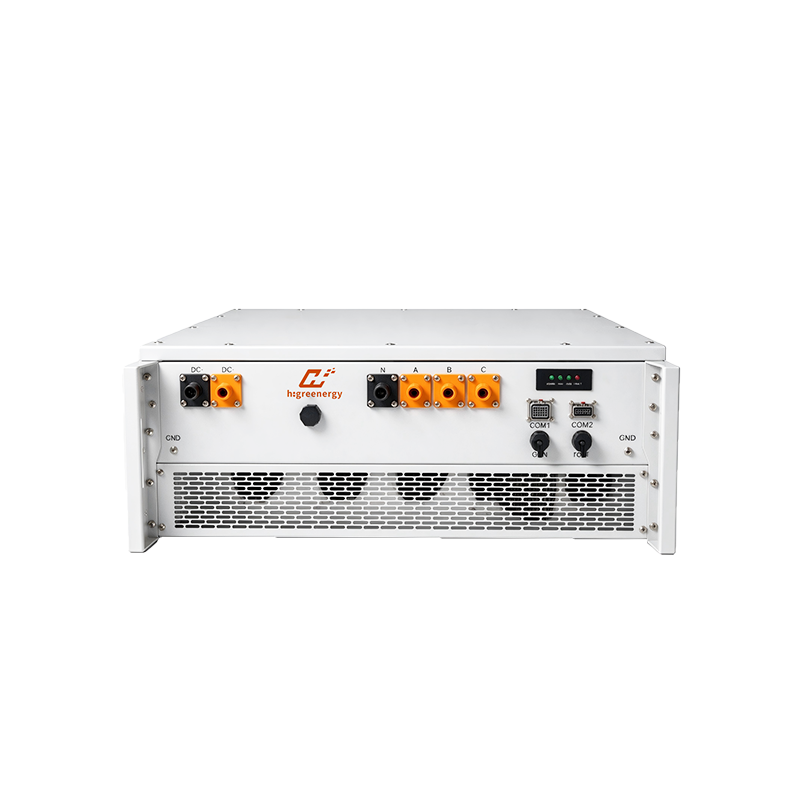
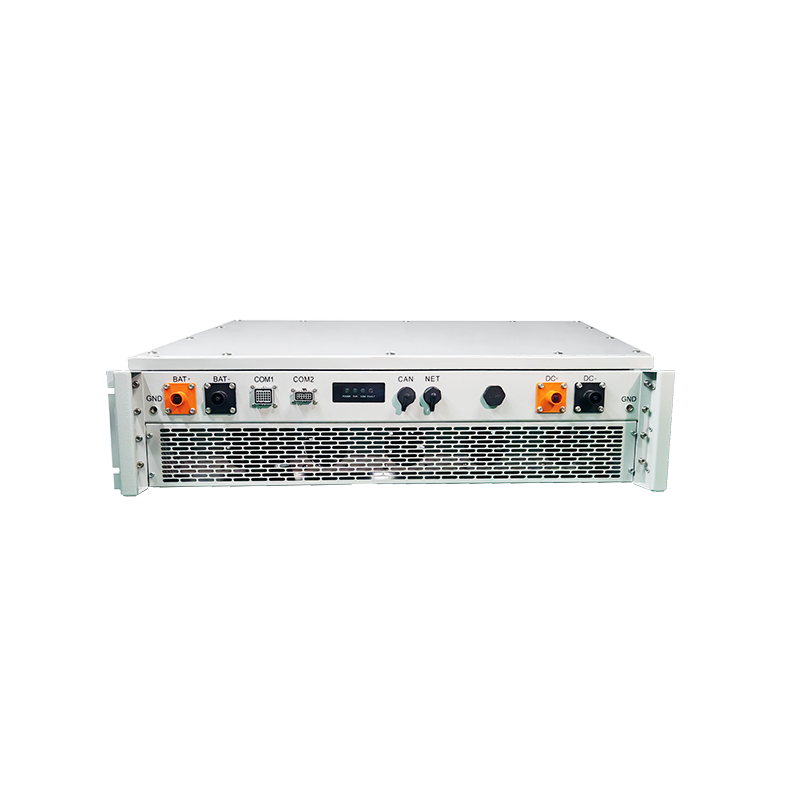
Traditional pump controllers consolidate grid-tie, DC-DC boost, and inverter drive logic onto heavily coupled circuitry. If a single tracing line fails, the entire unit halts. The updated chassis physically separates:
- The DC-DC boost section
- The active inversion core
- The grid-interface stage
Each module communicates via an internal bus while remaining electrically isolated. If an unexpected transient knocks out one channel, the fault stays contained. More importantly, service crews can flash or service an individual sub-stage without swapping the complete chassis or pulling the unit off the mounting rack.
PC-Free USB Flashing in Offline Terrain
Inverters installed across mountain irrigation intakes rarely have reliable cellular data for over-the-air updates, nor do local farmhands carry laptops with dedicated chip burners.
Higre embedded a native USB Host protocol stack into the logic board. Technicians or local caretakers insert a standard flash drive containing the latest firmware; the system verifies and flashes the target module directly. Field trials during the August 21–25 visit verified that cold updates complete in under two minutes without peripheral cabling.
Protection and Thermal Redundancy
- Zero Board-to-Board Wire Harnesses: The gate drive network now routes directly onto the primary PCB rather than through ribbon cables or push-fit connectors. This eliminates contact oxidation and vibration-induced loosening caused by continuous high-head pump cycling.
- Three-Layer Current Fault Loop: Overcurrent response combines a millisecond-range digital software ceiling, a microsecond-level hardware comparator circuit, and direct driver-IC shutoff. This tri-stage ladder suppresses inductive spikes when deep-well pumps hit gravel or draw down into cavitating air.
- Sealed IP66 Chassis with Active Draft: Rather than relying on passive convection fins that clog with agricultural chaff and trigger thermal throttling in hot sheds, the units run external sealed-bearing fans behind protective grilles. Full rated flow continues past 50°C ambient temperatures without output derating.
- Multi-Core Math Core: A dual-core Texas Instruments F28-class DSP paired with an ARM Cortex-M4 floating-point processor handles dynamic MPPT math. The physical interface drops cryptic error number displays in favor of a 240×160 graphical panel plotting real-time bus voltage, motor current, and operating Hz on a single screen.
Site Calibration Results
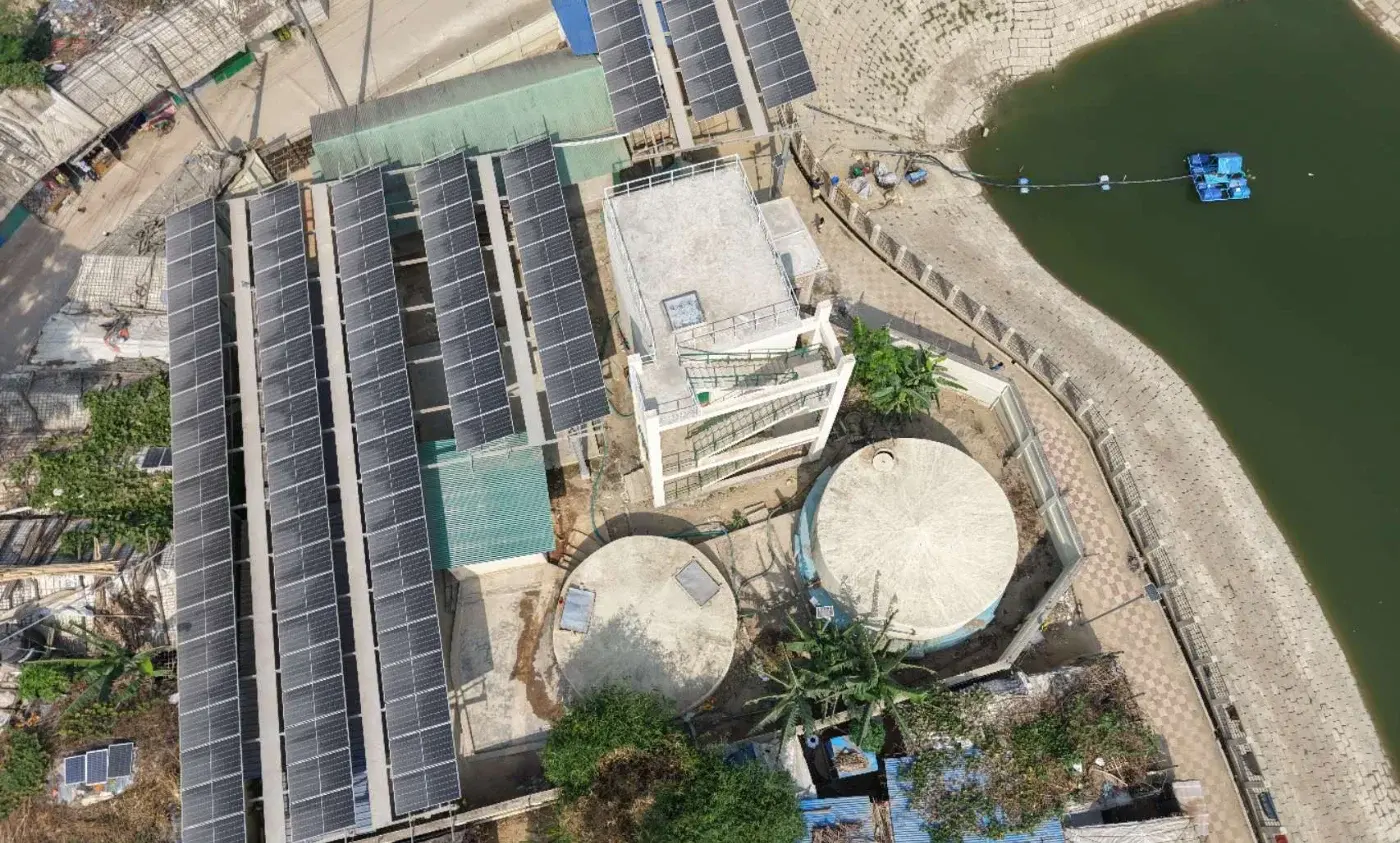
Over the 72-hour deployment, engineers tested cold-morning starts at 150 VDC, evaluated soft-start ramping into heavy static head pressure, and verified automated line-switching between intermittent solar arrays and local standby power.
“Most solar irrigation installations fail quietly not because the panels degrade, but because routine electronics service in rugged locations is simply too difficult,” noted Higre’s on-site commissioning lead. “Our focus for this hardware revision was removing failure points before they start—no internal wiring harnesses, independent sub-boards, and an update process that requires nothing more than a thumb drive.”
Higre Energy continues to deploy technical support teams to project sites worldwide, backing regional distributors, agricultural EPCs, and water authorities with direct engineering collaboration.
Documentation & Sizing Data: https://www.higreenergy.com
Technical Desk: info@higreenergy.com