






Commercial Microgrids in Motion: Higre Energy Interconnects 1.3 MWp Solar and 1.8 MWh Storage Across Three Industrial Tech Parks
Release time: 2026-10-27
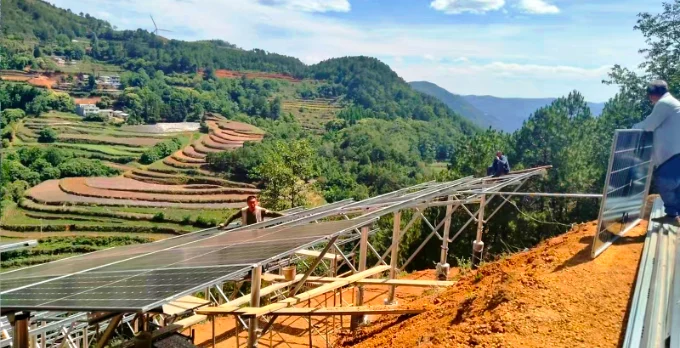
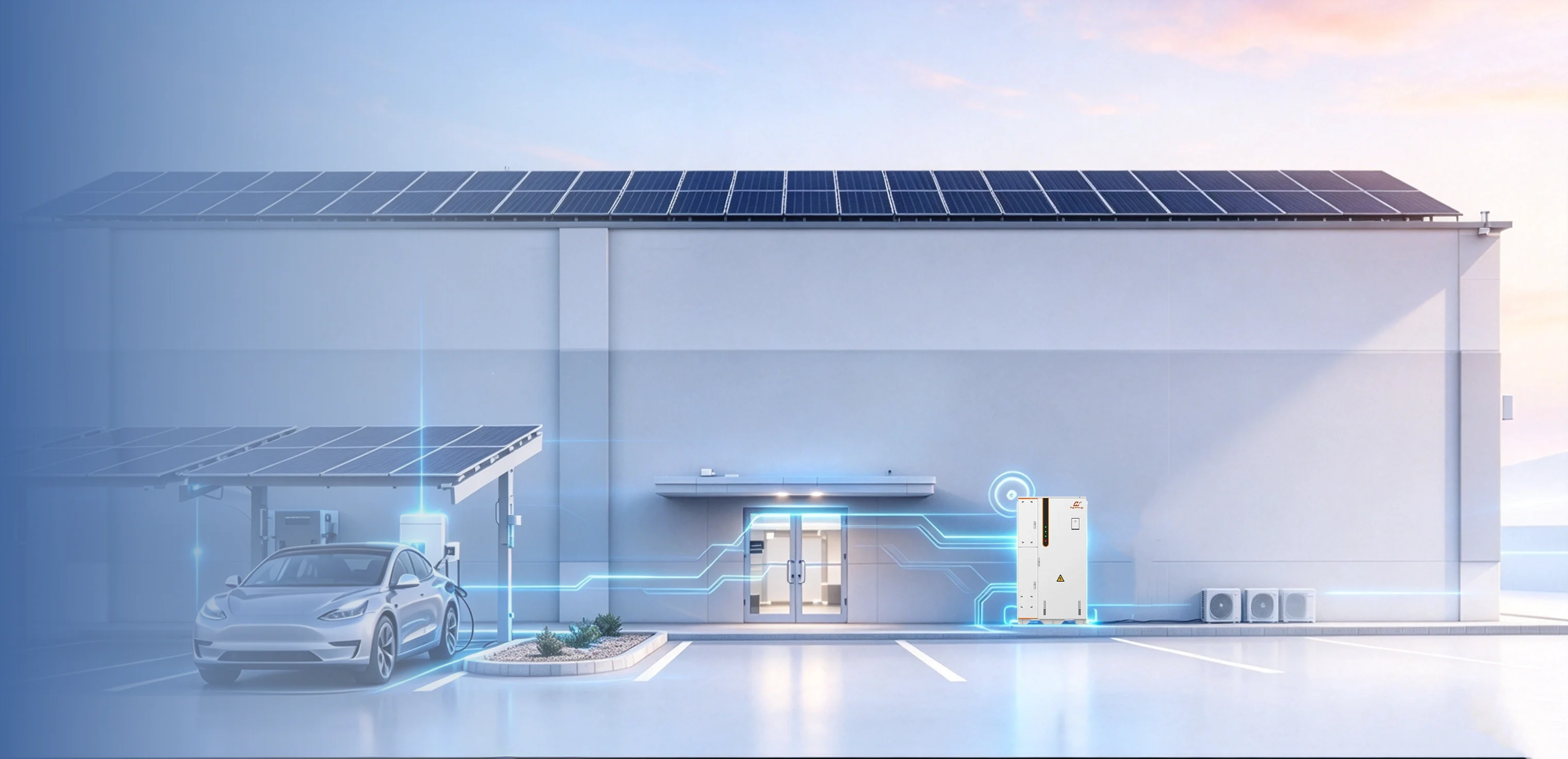
Higre Energy Technology Co., Ltd. has finalized commissioning and utility interconnection for three commercial and industrial (C&I) installations totaling over 1.3 MWp of rooftop solar and 1.8 MWh of battery energy storage. Operating across hospitality and advanced manufacturing sites, the facilities combine demand-charge shaving, dynamic transformer support, and multi-tier circuit protection designed around volatile local time-of-use (TOU) tariffs.
Project Deliverables & Interconnection Metrics
Higre Building Phase I (Hefei Lexio Hotel Management)
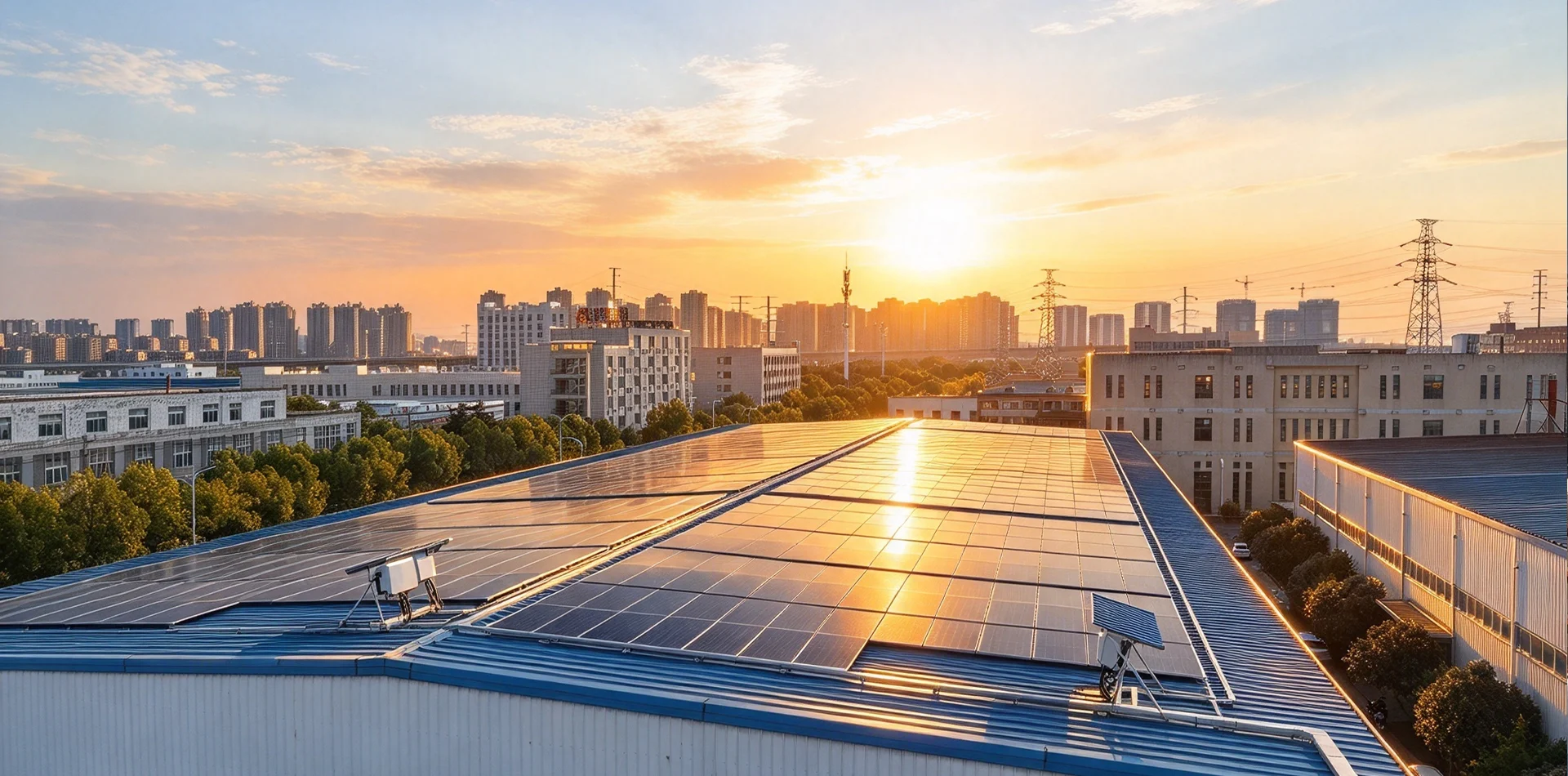
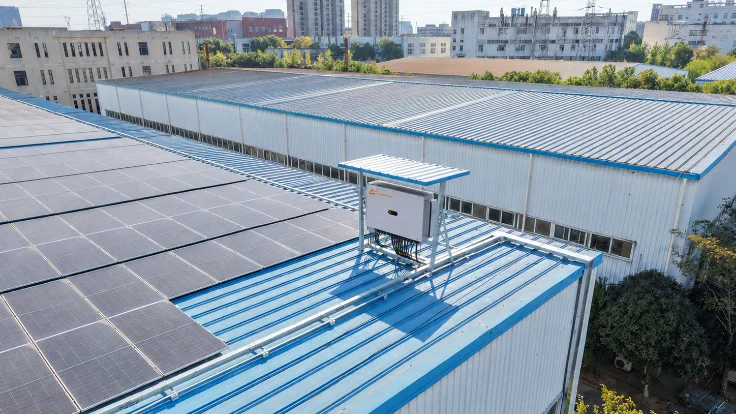
- Footprint & Array Rating: 780 m² rooftop layout supporting 168.74 kWp DC (275 units of 630 Wp monocrystalline modules).
- Grid Interface: 150 kW AC rated capacity operating on a self-consumption profile with automated surplus feed-in.
- Annual Output: Projected at ~190,000 kWh/year to offset peak commercial air-conditioning and hospitality baseload.
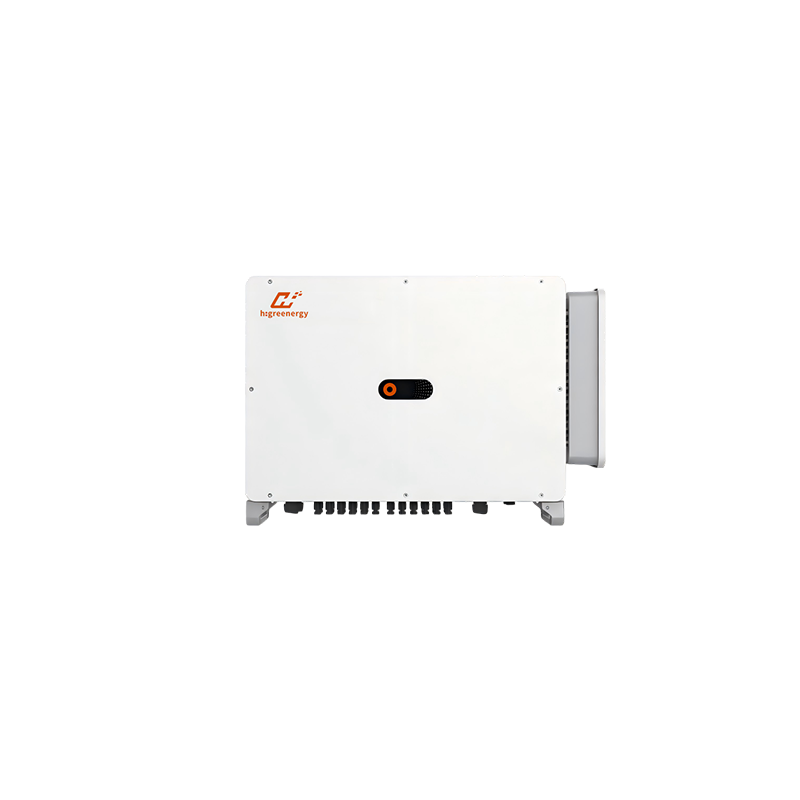
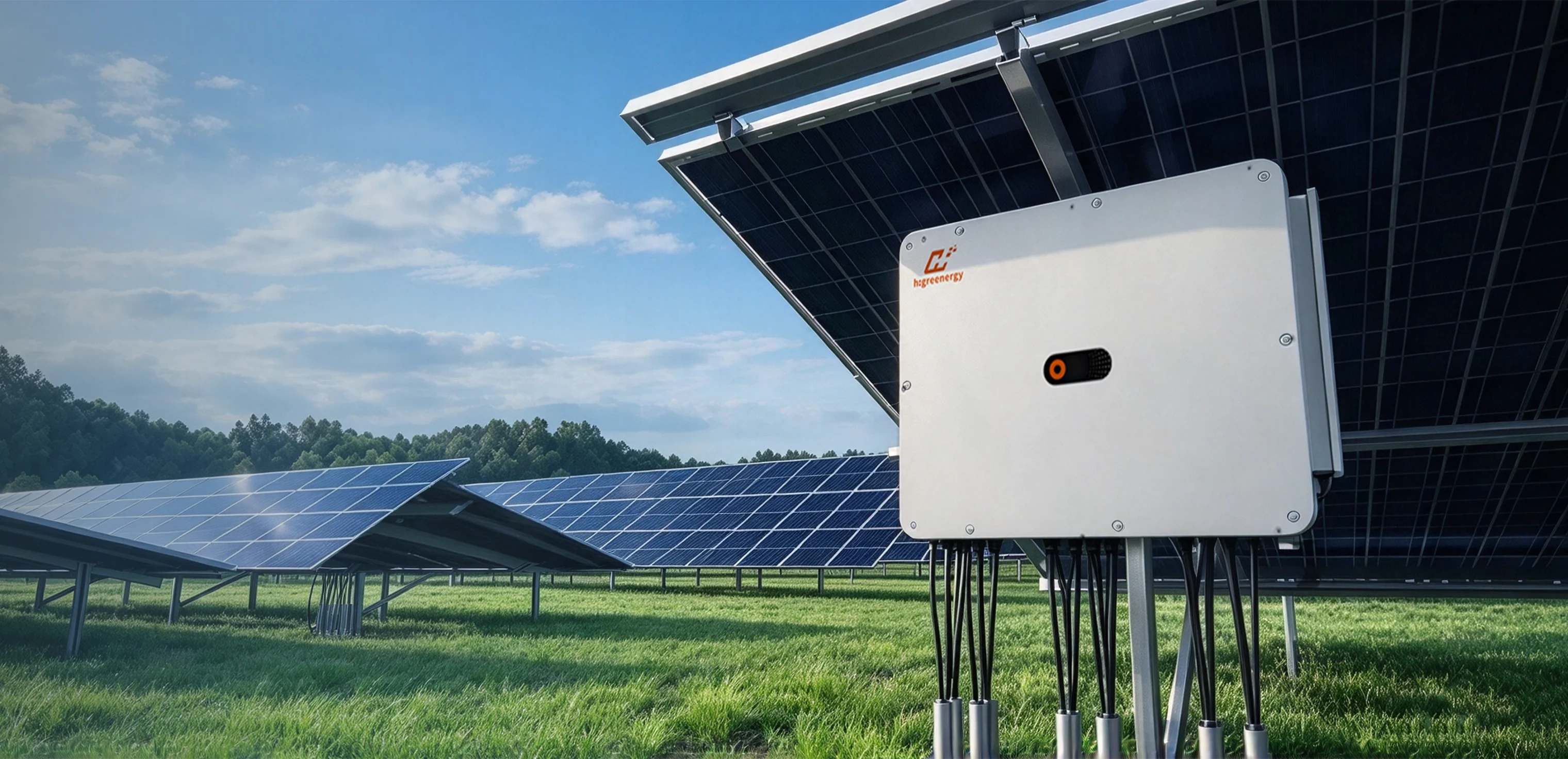
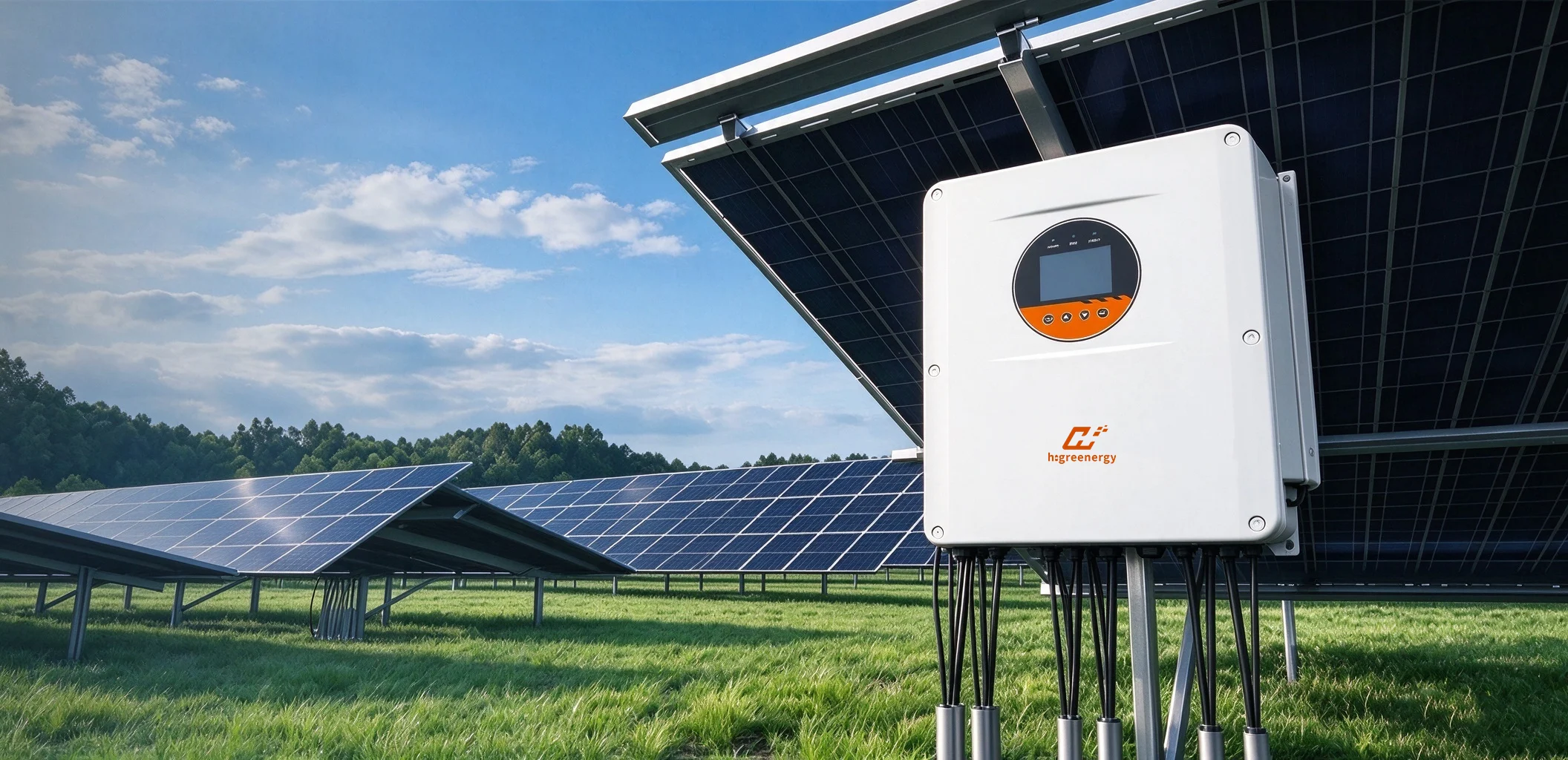
- Switchgear & BOS: Single Higre 150 kW commercial string inverter paired with a centralized low-voltage switchboard containing Air Circuit Breakers (ACB), Molded Case Circuit Breakers (MCCB), Class II surge arresters, and bidirectional utility revenue metering.
Gezhi New Materials Industrial Park (Phase I)
- Rooftop Solar Array: 6,849.53 m² industrial shed roof accommodating 1,169.32 kWp DC with a 1,000 kW AC utility interconnect. Expected annual generation sits at 1.35 million kWh.
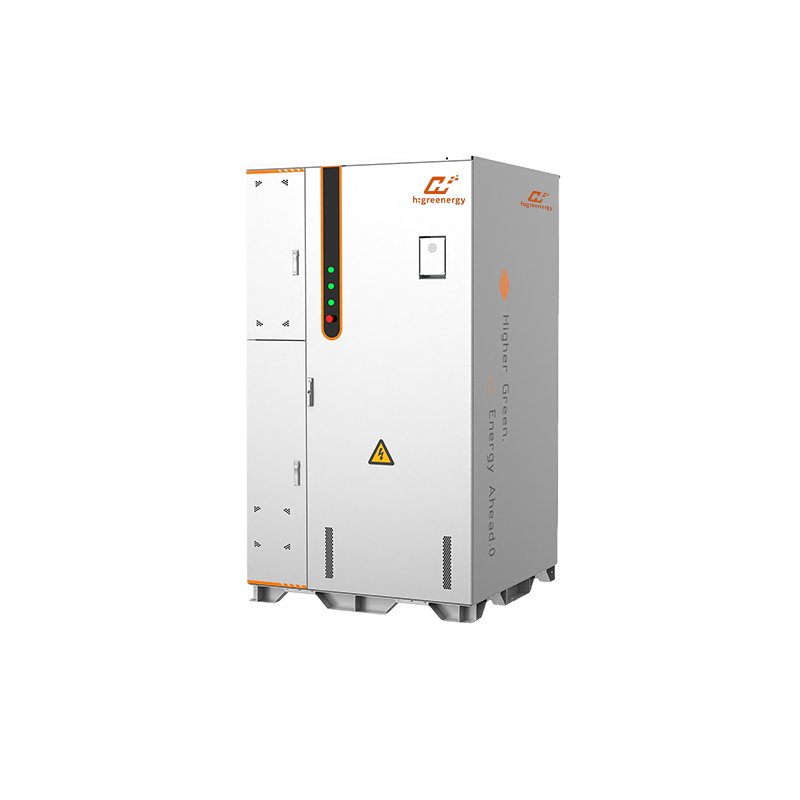
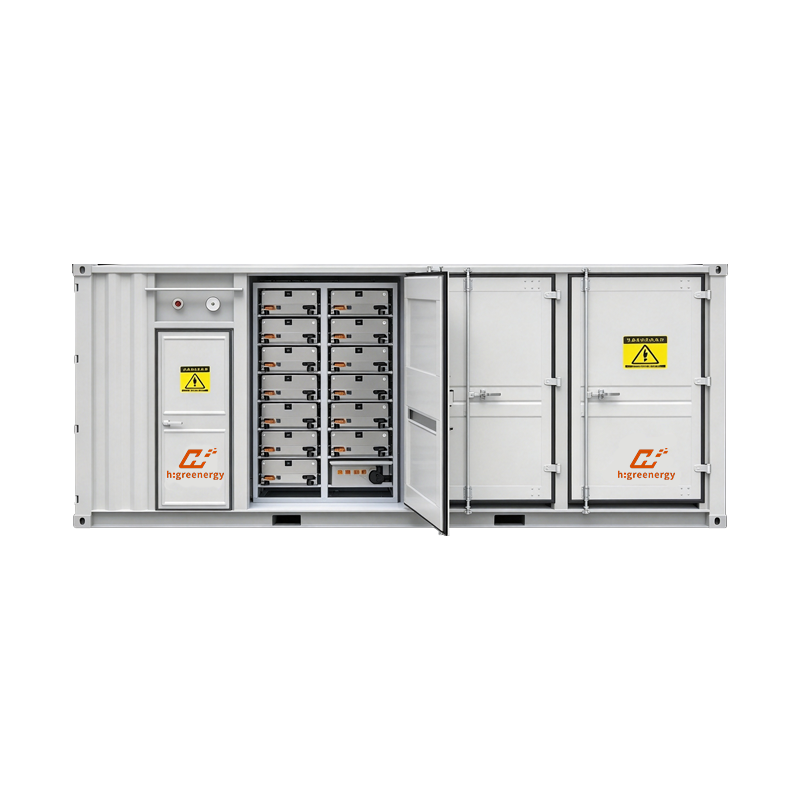
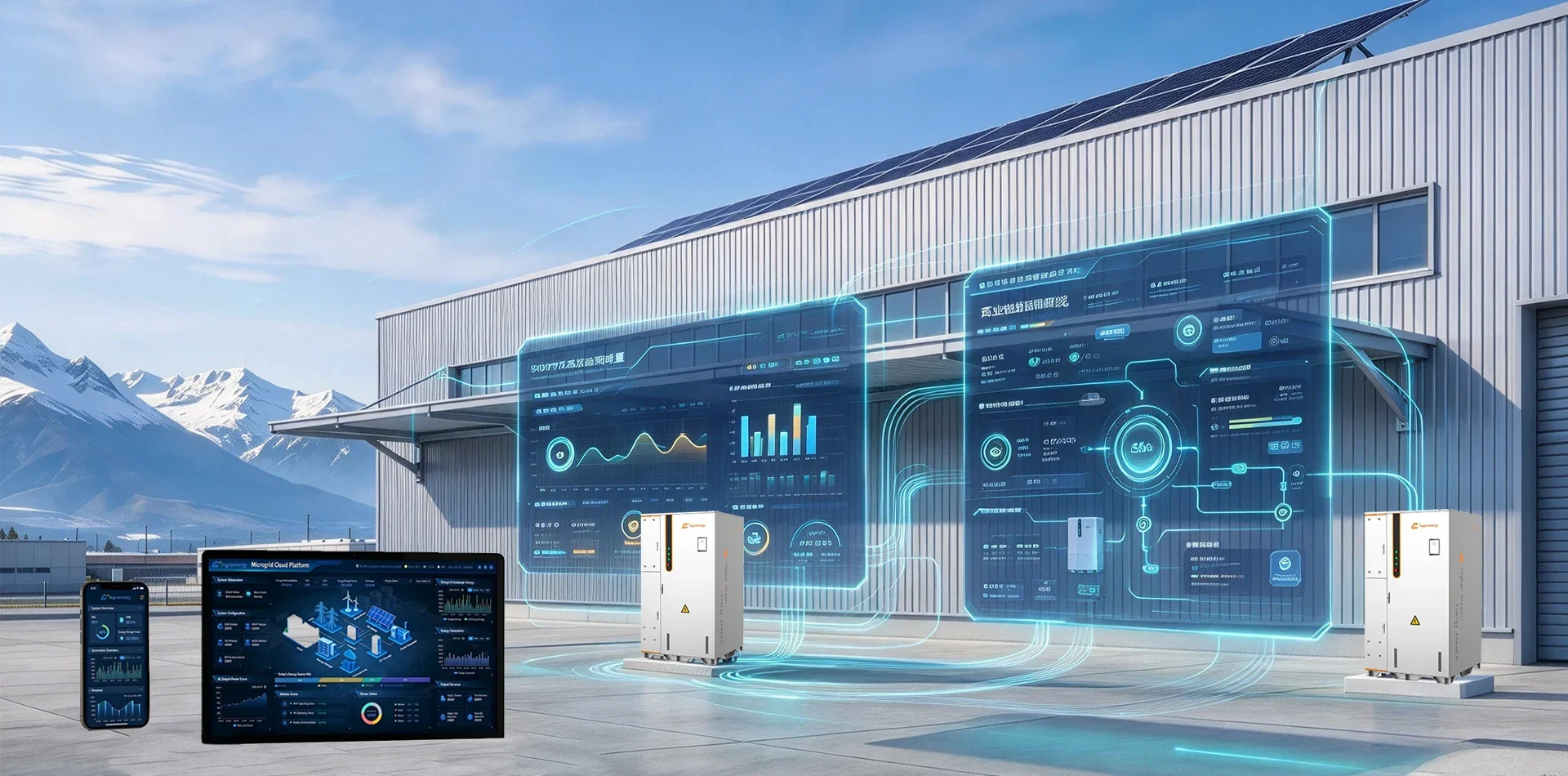
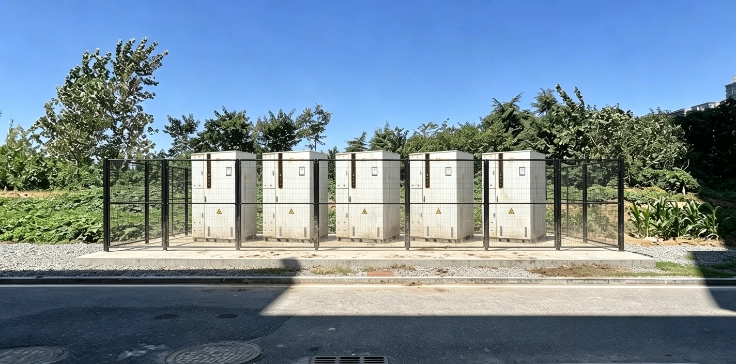
- Liquid-Cooled Storage Staging: 250 kW / 522 kWh total battery footprint, configured using two parallel 125 kW / 261 kWh liquid-cooled outdoor cabinets.
- Revenue Profile: Built around daily peak-valley energy arbitrage and demand limiting. Projected operating yields exceed CNY 202,000 annually.
High-Tech Industrial Park (Phases I & II Centralized Storage)
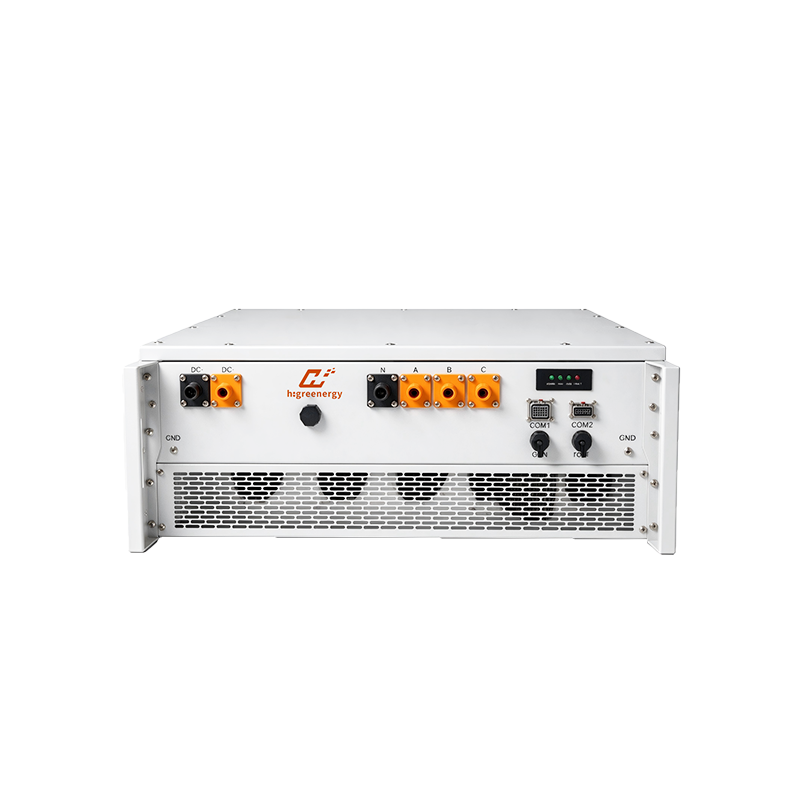
BESS Rating: 625 kW continuous four-quadrant inverter rating coupled to 1,305 kWh of usable capacity.
Dispatch Logic: Directs a two-cycle-per-day charge/discharge routine tied to regional factory shifts, active reverse-power flow mitigation, and dynamic peak mitigation to protect substation transformer headroom.
Financial Return: Generates an estimated CNY 556,000 per year in arbitrage spreads and capacity penalty savings.
Engineering Insights: Overcoming Common C&I Interconnection Hurdles
Behind-the-meter assets across industrial parks frequently encounter utility voltage sags, reverse-power restrictions, and space constraints on older rooftops. These three sites address those specific points through targeted hardware configurations:
Closed-Loop Anti-Backfeed Logic: Smart meters at the main substation coupling point interface directly with inverter firmware. If plant machinery dials down on weekends while solar output remains high, the inverters ramp back output smoothly within milliseconds, avoiding unauthorized reverse feed-in penalties.
FAQs
What specific financial mechanisms generate the estimated annual returns on these C&I installations?
Revenue stems from three concurrent hardware operations:
Direct Utility Offset: Solar generation displaces expensive peak-tier grid purchases (e.g., yielding 1.35M kWh of direct plant self-consumption annually at the Gezhi site).
Two-Shift Time-of-Use Arbitrage: Storage charges during valley tariff windows and discharges into high-tier afternoon manufacturing peaks (yielding up to 556,000 RMB/year for the 625 kW / 1,305 kWh system).
Demand Charge Avoidance: Battery dispatch shaves instantaneous factory load spikes off monthly utility bills, eliminating the need to pay for costly utility transformer upgrades.
How does the system switchgear protect against electrical faults and utility islanding?
Every installation incorporates multi-stage isolation at the low-voltage point of common coupling (PCC):
Inverter Safeguards: Higre’s power stages continuously track utility frequency and line voltage, executing immediate anti-islanding shutdowns during utility dropouts.
Switchboard Hardware: Panels integrate low-voltage Air Circuit Breakers (ACB) and MCCBs coordinated with Class II Surge Protective Devices (SPD) to clamp transient surges and isolate short circuits before they damage distribution switchgear.
Why deploy modular liquid-cooled storage cabinets over traditional central container enclosures?
Modular 125 kW / 261 kWh cabinets reduce site civil works and footprint requirements across crowded factory grounds. Liquid cooling loops minimize cell thermal gradients far better than external air-conditioning units, preventing localized cell degradation while maintaining reliable discharge capacity across high summer ambient temperatures.