







Mountain Farming at 2,000m: How Higre Energy Engineered an Off-Grid Solar Pumping Network in Xuanwei
Release time: 2026-10-12
Table of Contents
In Xuanwei’s Wude Town, red-soil farmland sits hundreds of meters above the valley water intake. For years, running grid extensions or diesel pumps up these karst slopes was cost-prohibitive: fuel costs fluctuated wildly, line loss across the mountains made utility power impractical, and seasonal flash floods routinely clogged impellers with thick river silt.
In July 2026, Higre Energy handed over the Shugu High-Standard Farmland solar pumping installation—a multi-tier lifting system engineered to move river water up a 280-meter head with zero grid tie-in.
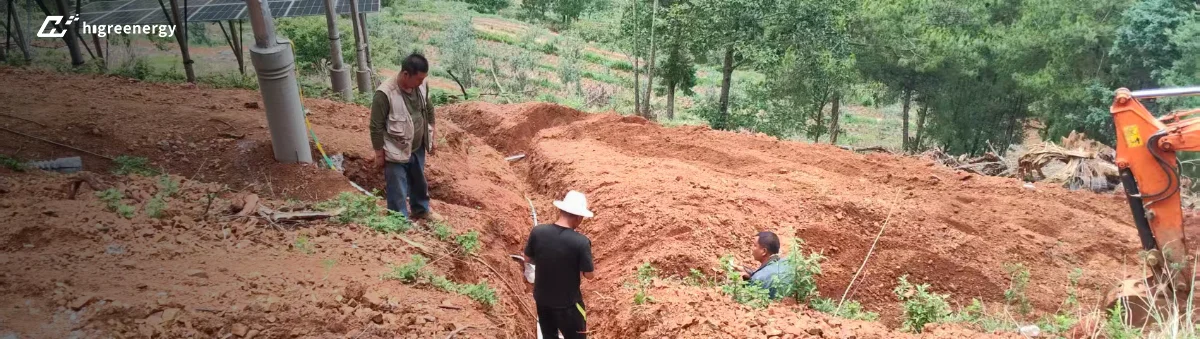
Project Parameters & Site Conditions
- Site Geography: Shugu Farmland Area, Wude Town, Yunnan (Elevation: ~2,000 m)
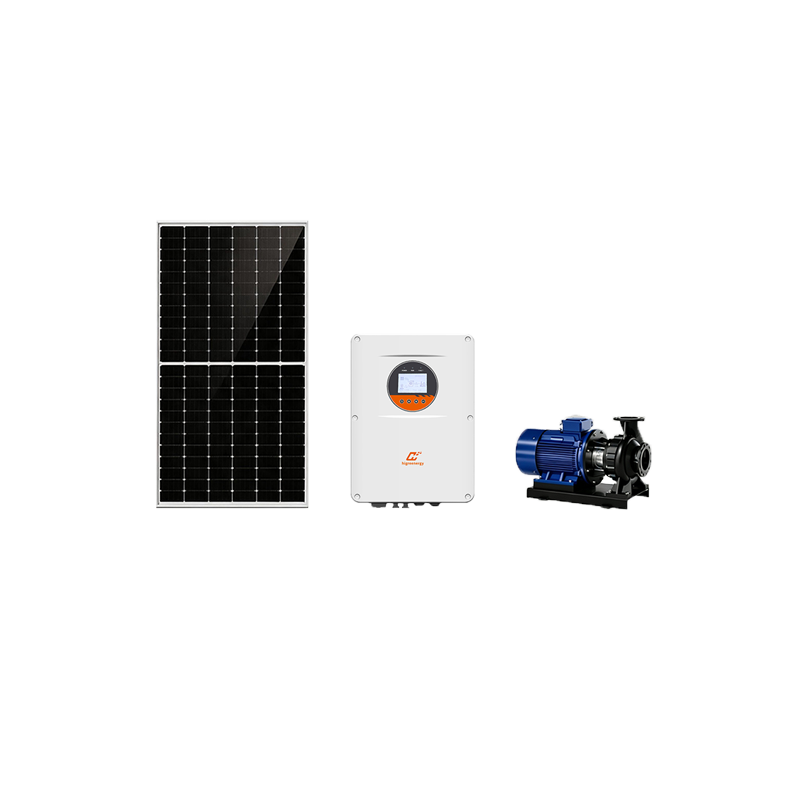
- PV Generation: 204 kW array installed on single-column micropile foundations adapted to steep slope gradients.
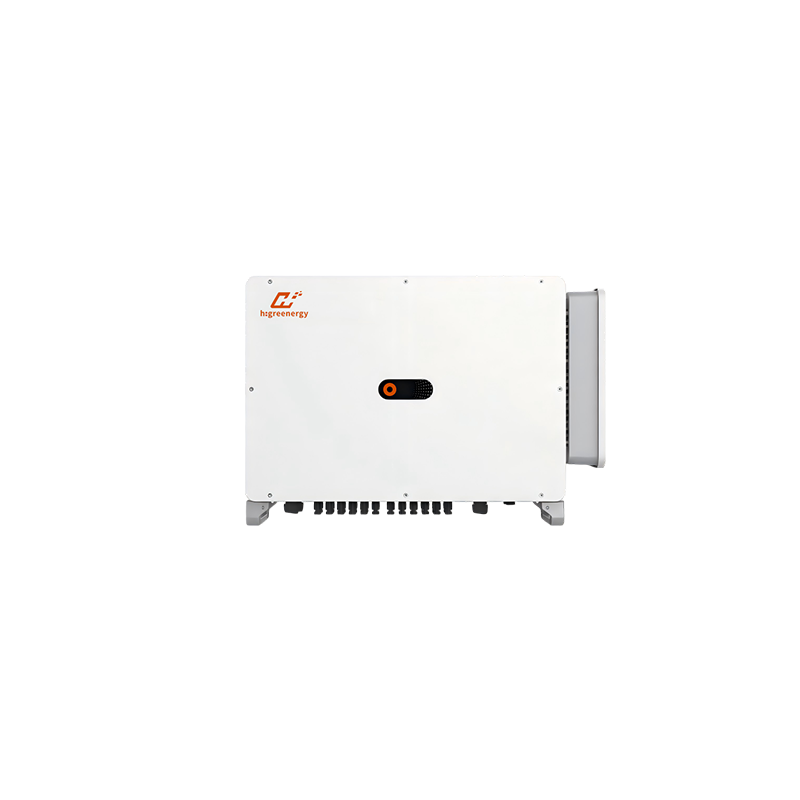
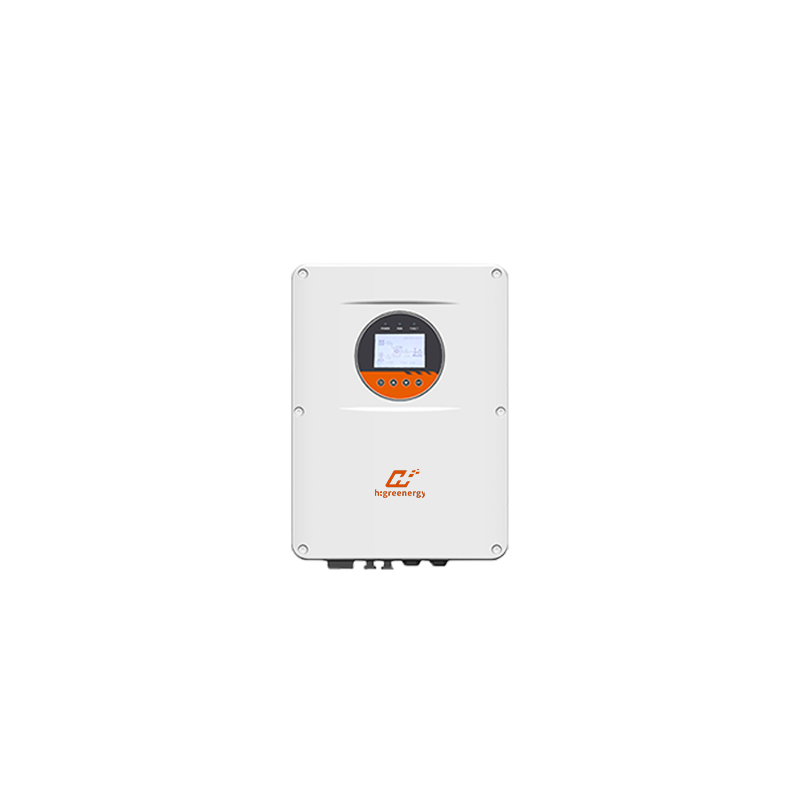
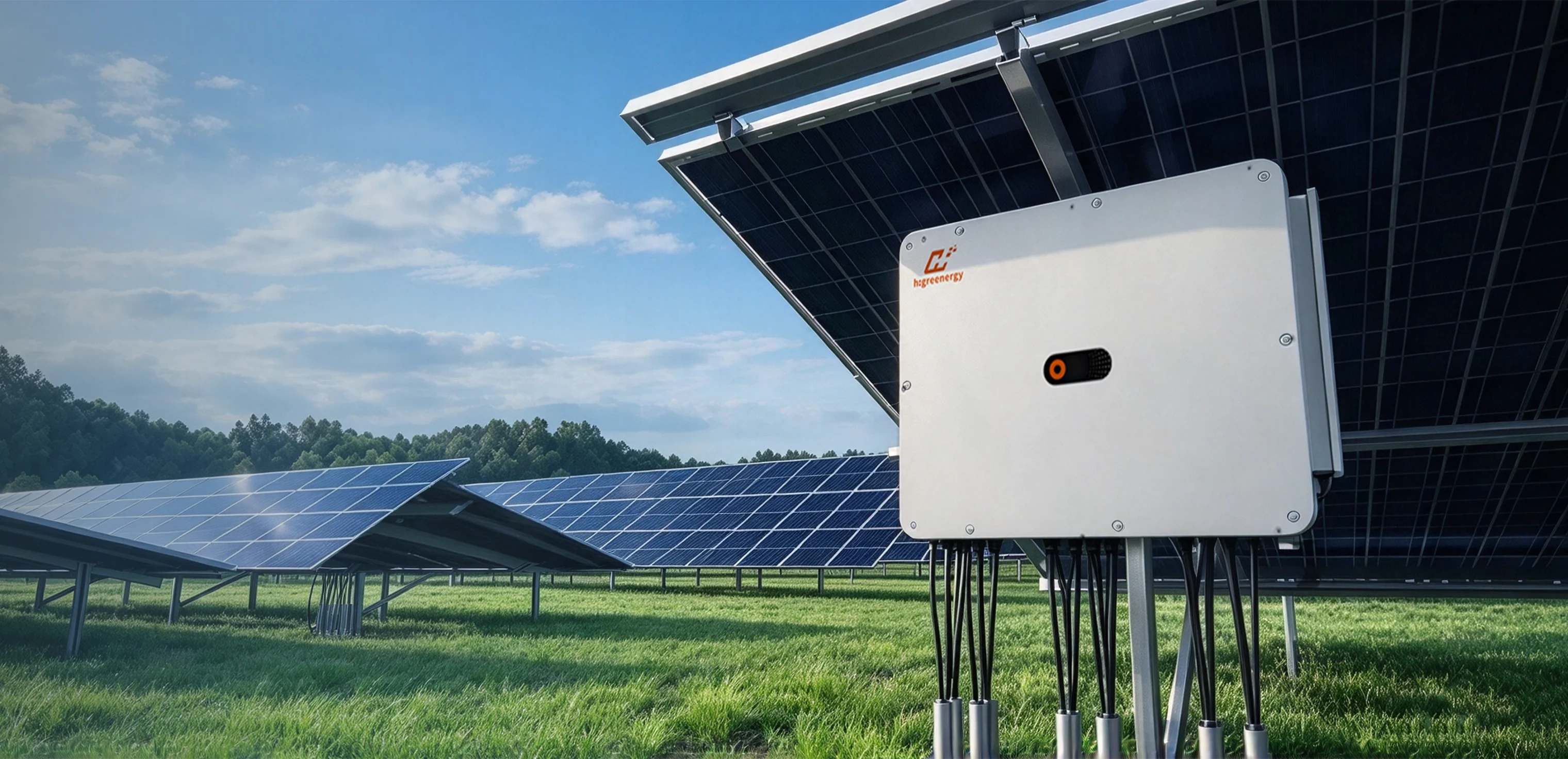
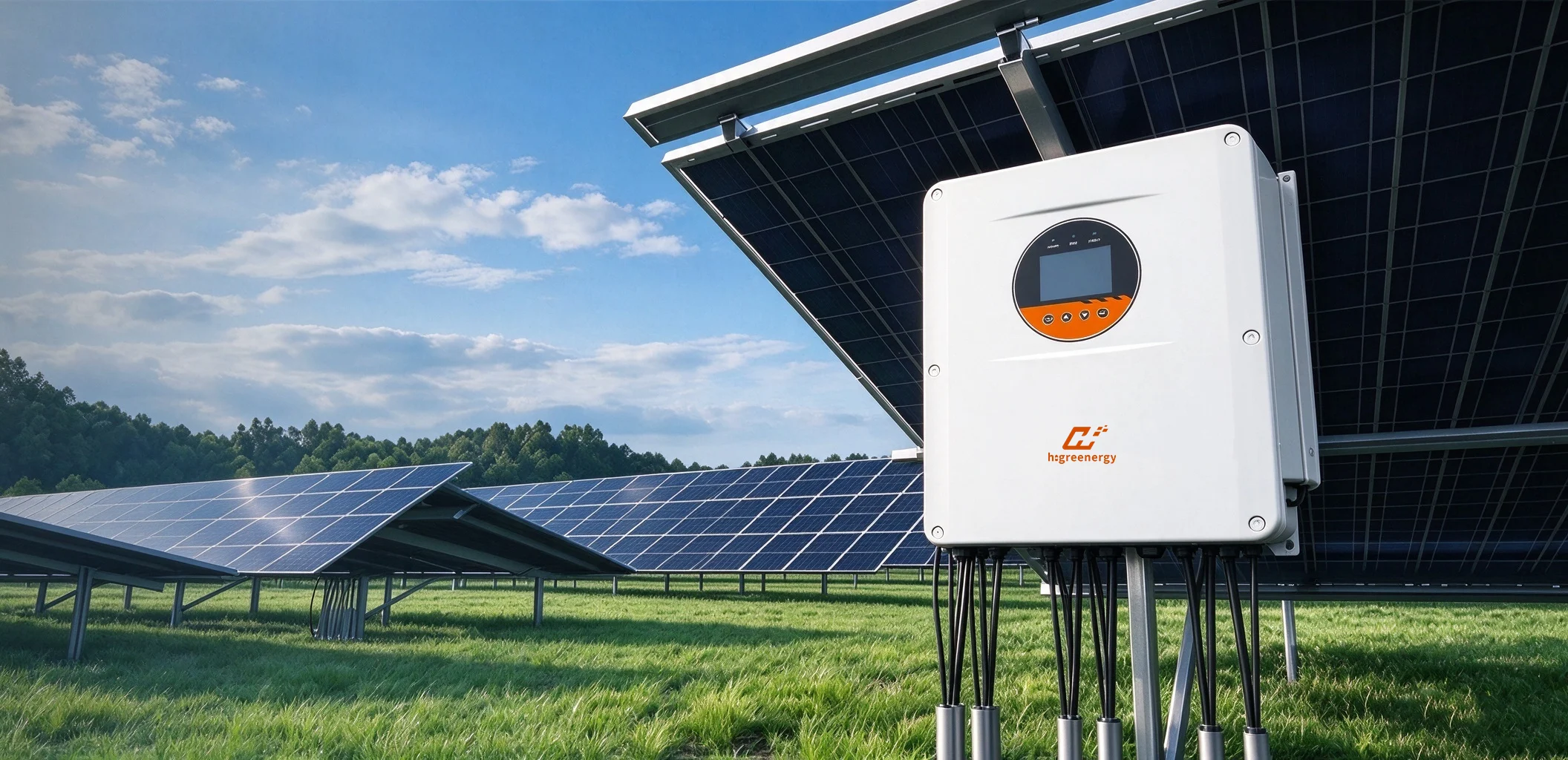
- Inverter Topology: Dual 147 kW solar pump inverters featuring multi-channel MPPT to handle cross-slope module mismatch and variable mountain irradiance.
- Pumping Station: Dual horizontal centrifugal pumps (280 m rated head, 62 m³/h rated flow per unit), run in active/standby rotation.
- Storage & Conveyance: River dam intake delivering to three distributed elevation-based storage reservoirs via pressurized mainline.
Overcoming the Field Constraints
Agricultural water authorities typically struggle with off-grid systems after handover. Village operators rarely have specialized electrical training, and mountain weather creates unpredictable hydraulic stress. The Xuanwei installation addresses these operational hurdles directly:
Handling High-Sediment Flash Floods
During the summer monsoon, river sediment spikes dramatically. Traditional pump controllers run blind, grinding impellers down within months. We integrated turbidity monitoring with automated shut-off thresholds at the intake. If river silt breaches safe operating levels or intake water drops below suction limits, the system halts immediately and logs the alert, avoiding dry-run cavitation and mechanical seal failure.
Irregular Hillside Sun Exposure
Standard string inverters suffer significant output collapse when clouds shade parts of a mountain array or when panels face divergent azimuths. By deploying two 147 kW units equipped with multi-channel MPPT, each segment operates along its independent power curve. The pumps sustain required head pressure even under broken cloud cover, rather than cutting out mid-cycle.
Autonomous Multi-Reservoir Balancing
Manual valve switching over rugged terrain is unrealistic for local staff. The system pairs 4G RTU level transmitters across all three hilltop reservoirs with automated pressure-regulated valves. When a target reservoir reaches capacity, flow diverts down the chain or throttles the inverter frequency smoothly. The entire water-transfer sequence—from intake draw to reservoir shut-off—operates on closed-loop logic without on-site personnel.
Remote Diagnostics via Cloud Telemetry
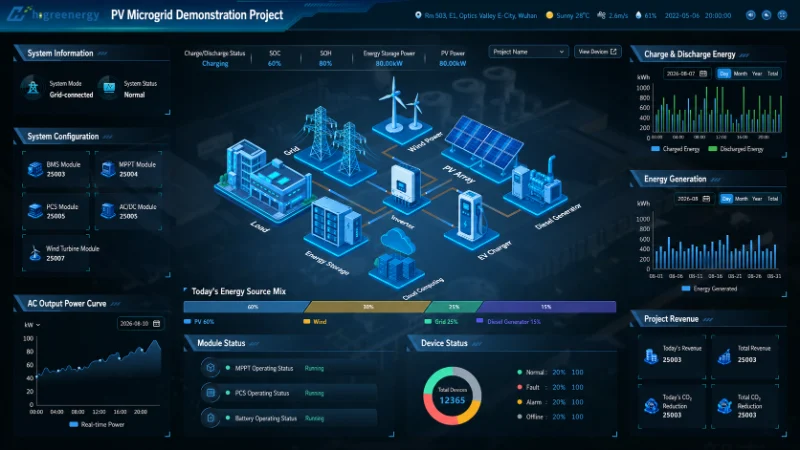
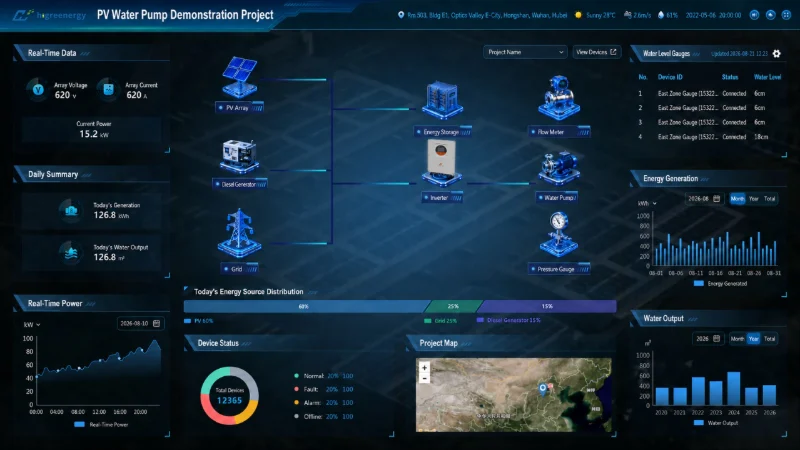
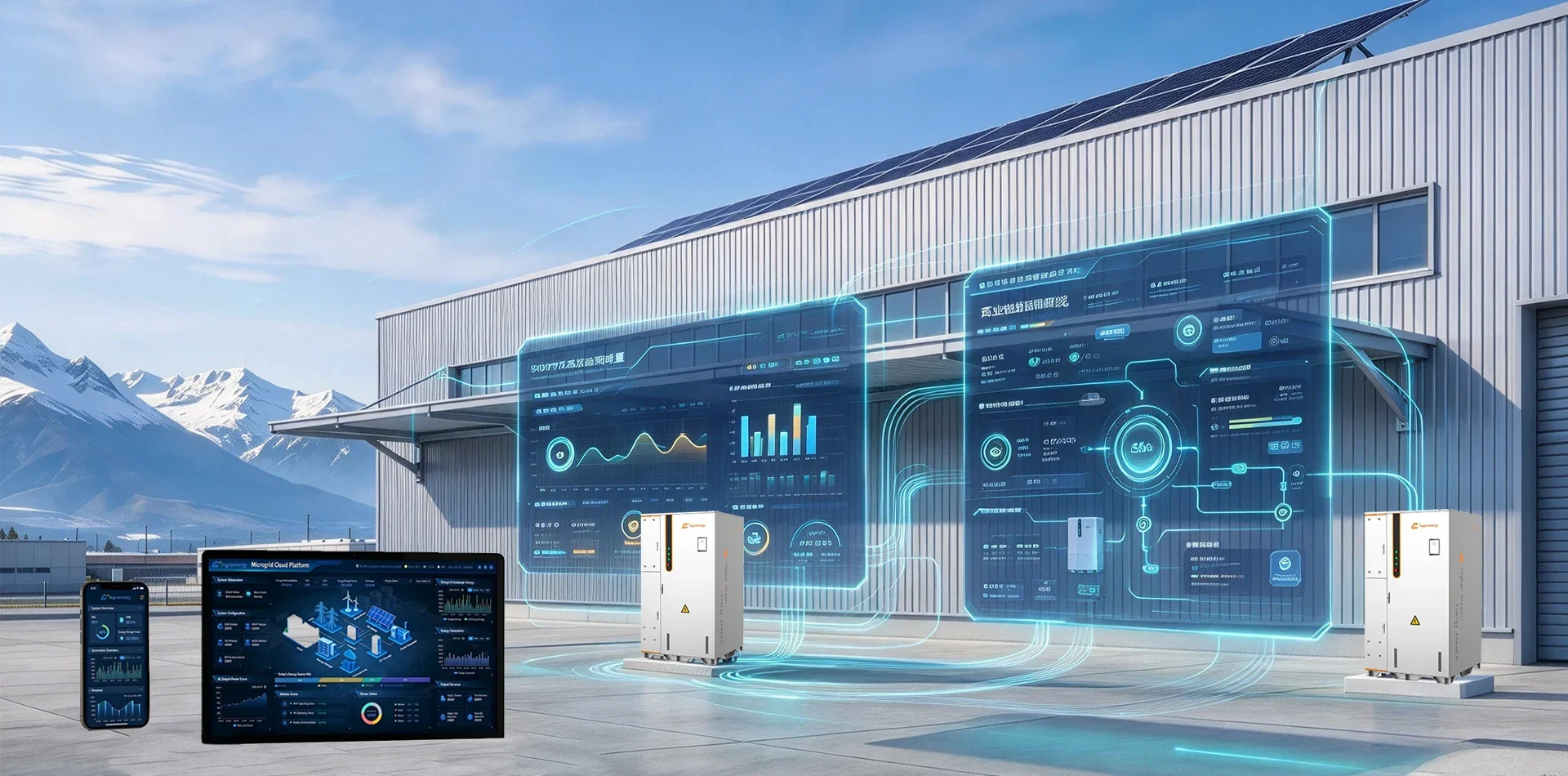
Local crews do not need to diagnose field errors manually. Operating metrics—flow rate, dynamic head pressure, inverter temperature (rated to IP66 / 60°C ambient), and power output—sync directly to the cloud dashboard. Field teams receive threshold alerts for pipe leaks or valve anomalies on their phones, while our engineering team can push firmware and logic updates over-the-air (OTA).
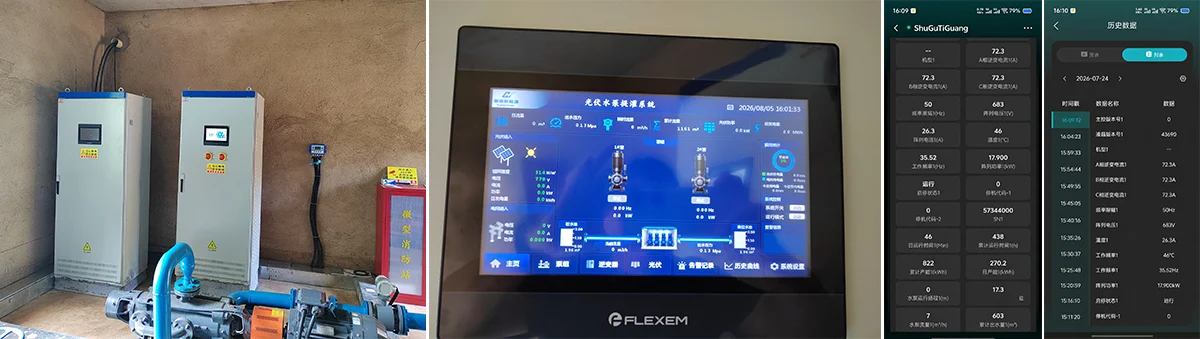
Proven Deployment for High-Head Irrigation
The Shugu project proves that high-lift irrigation does not require ongoing utility bills or diesel logistics. By coupling multi-MPPT solar drive hardware with automated hydraulic protection, the installation delivers consistent daily water volume to hilltop crops while eliminating routine maintenance headaches.
For technical inquiries regarding high-head solar water lifting, microgrid pump stations, or OEM inverter integration:
Web: www.higreenergy.com
Inquiries: Contact our engineering team for site-specific hydraulic and solar sizing.e maintenance further strengthens this approach, offering the highest level of assurance for sustained BESS performance.
FAQs
How does Higre Energy’s solar pumping system maintain continuous irrigation on cloudy days?
The system relies on multi-channel MPPT solar pump inverters (147 kW) and variable frequency drive (VFD) speed regulation rather than fixed-speed on/off switching. Even under diffuse radiation or partial mountain cloud cover, the inverter tracks the dynamic maximum power point across divergent panel strings. Instead of cutting out entirely, the system modulates pump RPM and operating frequency in real time, sustaining the minimum head pressure required (up to 280 m) at reduced flow rates to ensure uninterrupted daily water delivery without battery storage.
How does the off-grid water-lifting system handle seasonal river silt and flash floods?
The station integrates automated turbidity sensors, dynamic pressure monitoring, and dry-run cavitation algorithms directly at the dam intake. During monsoons or flash floods, if sediment concentration exceeds safe thresholds or intake water drops below suction limits, the control logic triggers an instant protective shutdown to prevent impeller erosion and seal failure. Once water quality stabilizes within operational tolerances, the system automatically resumes pumping without requiring manual on-site reset.
What makes this solar water-lifting solution suitable for remote, unstaffed mountain terrain?
The architecture achieves fully autonomous, closed-loop operation through four design pillars:
Cellular Telemetry: 4G RTU water-level transmitters monitor the intake and all three hilltop storage reservoirs with millimeter precision.
Auto-Balancing Flow: Pressure-regulating valves and logic controllers automatically halt or divert water flow once target reservoirs hit capacity.
Ruggedized Enclosure: The inverter hardware features an IP66 ingress rating and passive heat dissipation rated for ambient environments up to 60°C.
Remote Fleet Management: Operations teams manage fault diagnostics, pipeline leak alerts, and over-the-air (OTA) firmware updates via the Higre cloud platform, eliminating routine dispatch of local technicians.