











-
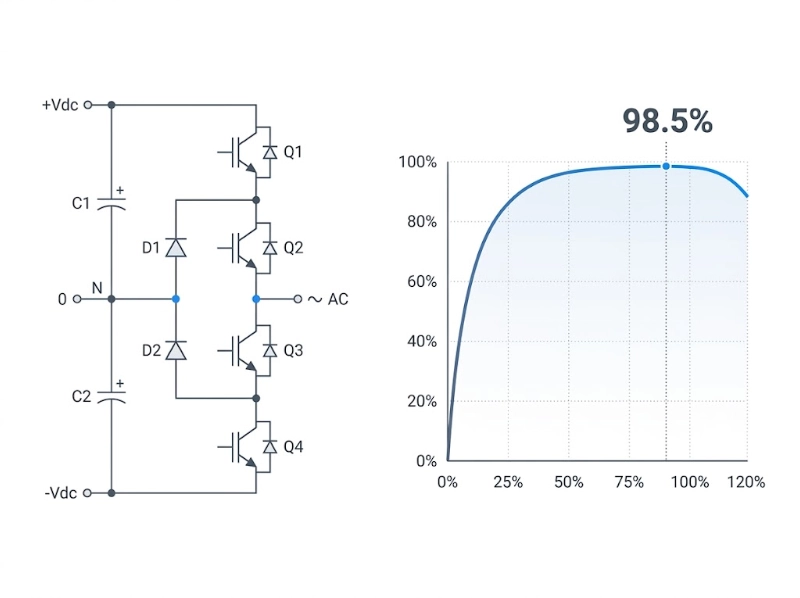
Three-Level Topology with High Conversion Efficiency
-
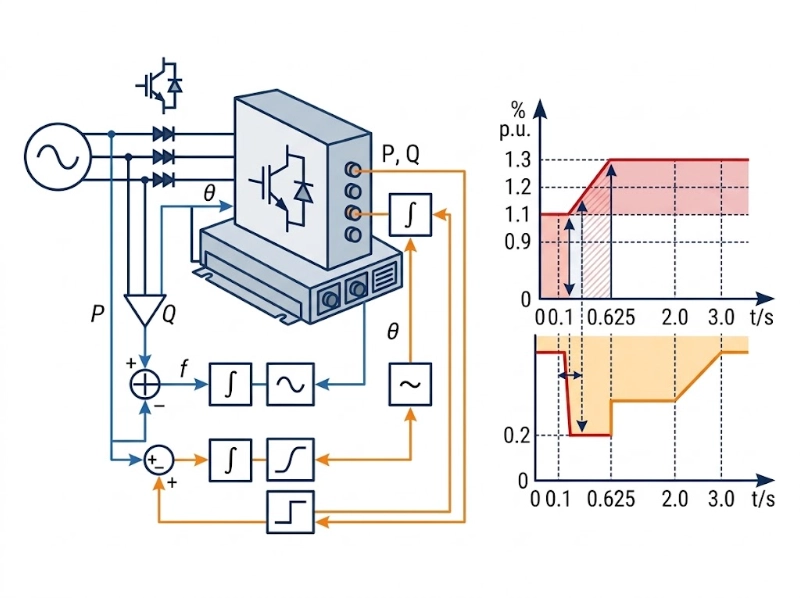
HVRT/LVRT Support and Weak-Grid Adaptability
-
Grid-Following and Grid-Forming Capabilities
-
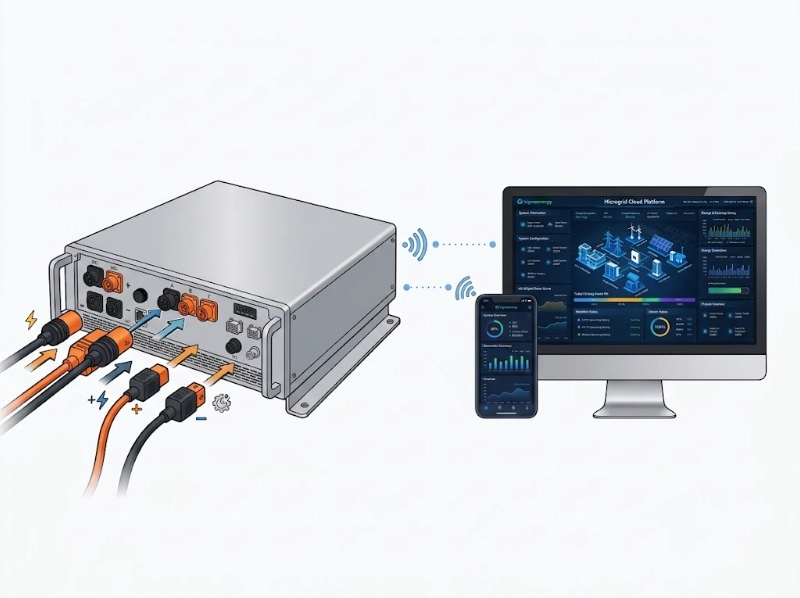
Multi-Unit Parallel Connection and Scalability
-
Plug-and-Play Installation and Easy Expansion
-
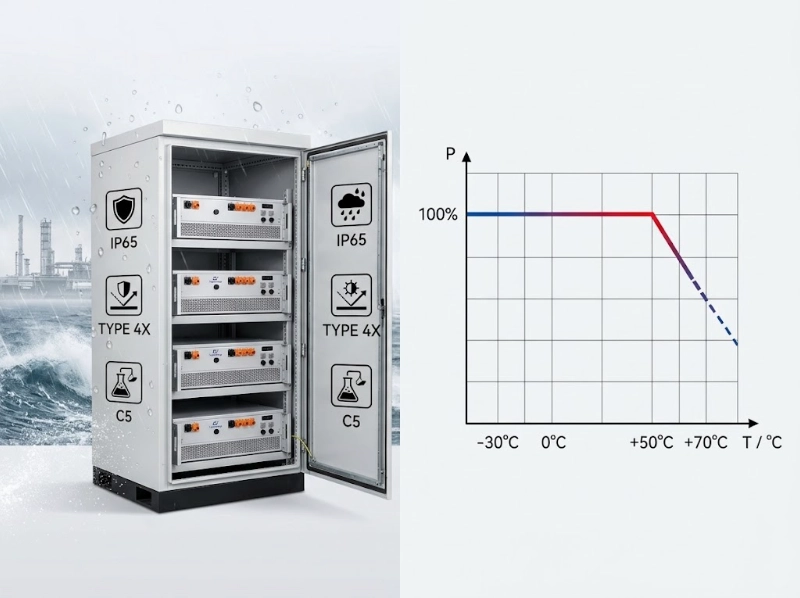
TYPE 4X Protection with Optional C5 Corrosion Resistance
Energy Storage System
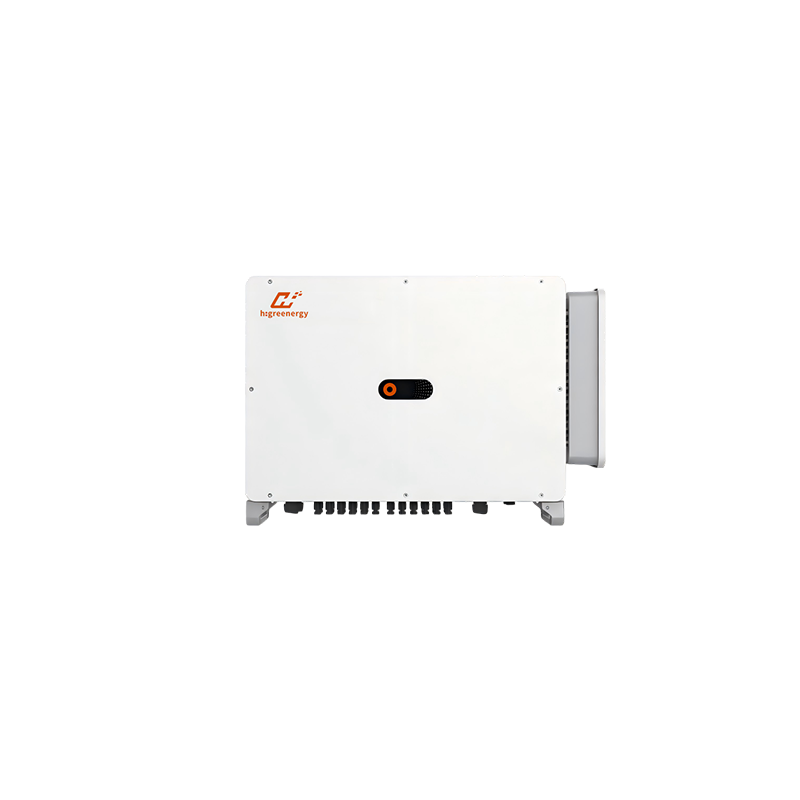
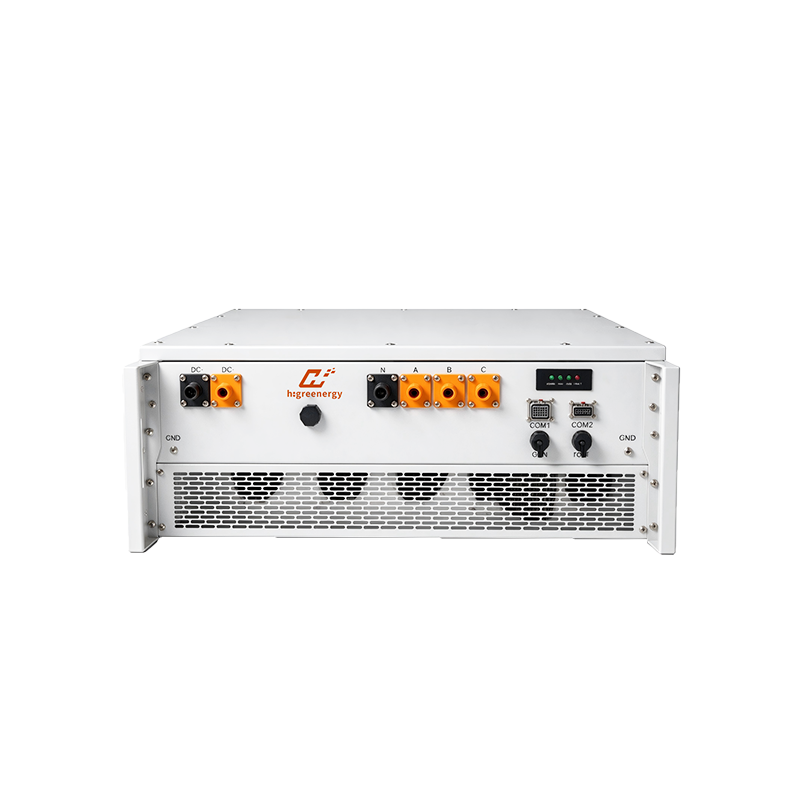
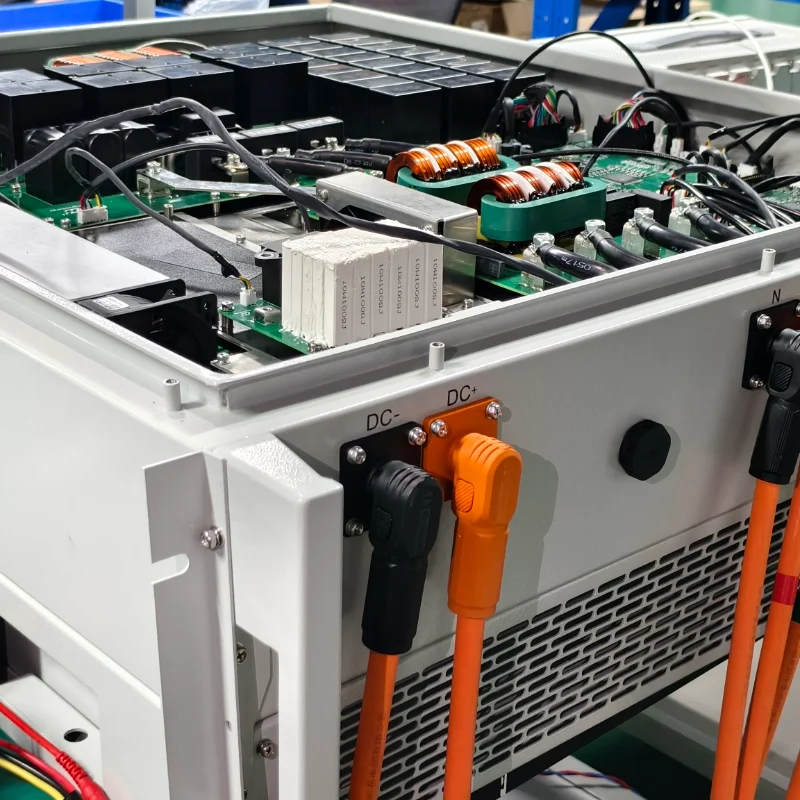
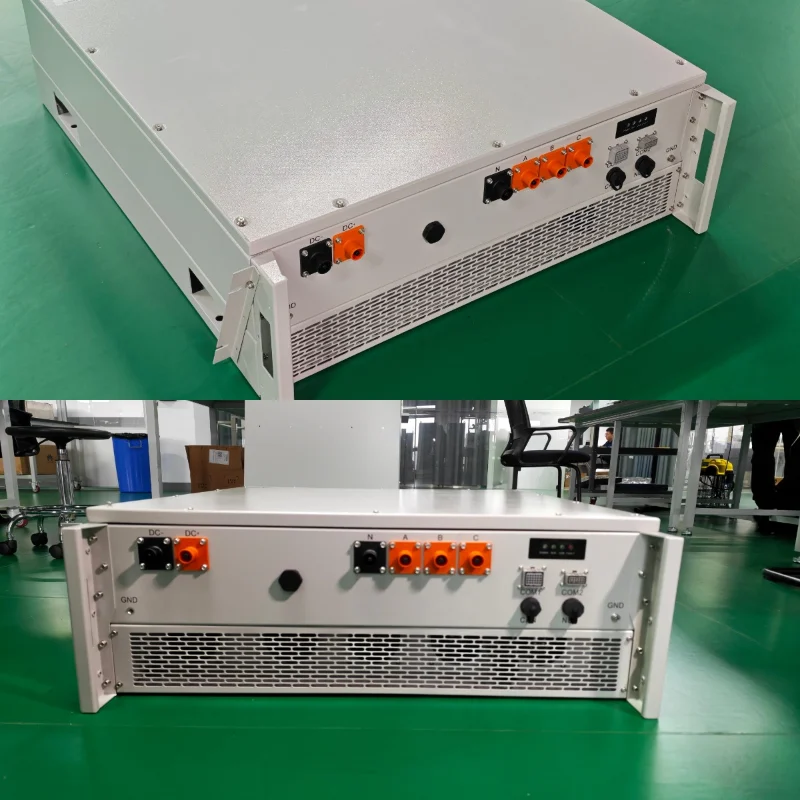
150kW Power Conversion System
Detailed Description
Product advantages
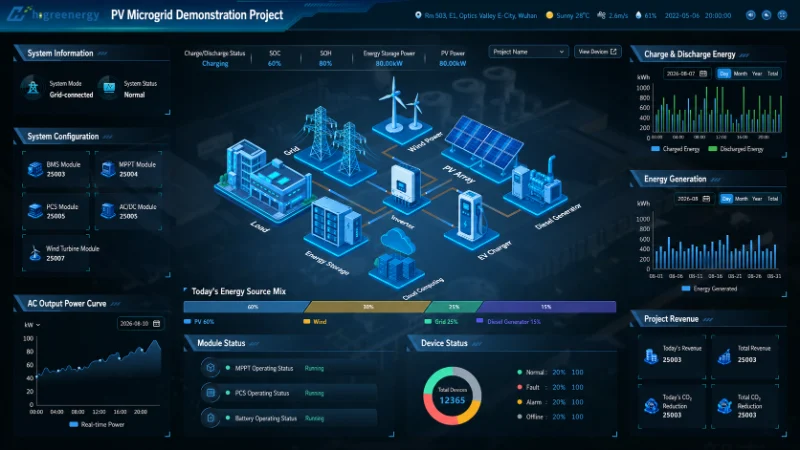
PCS Working Principle
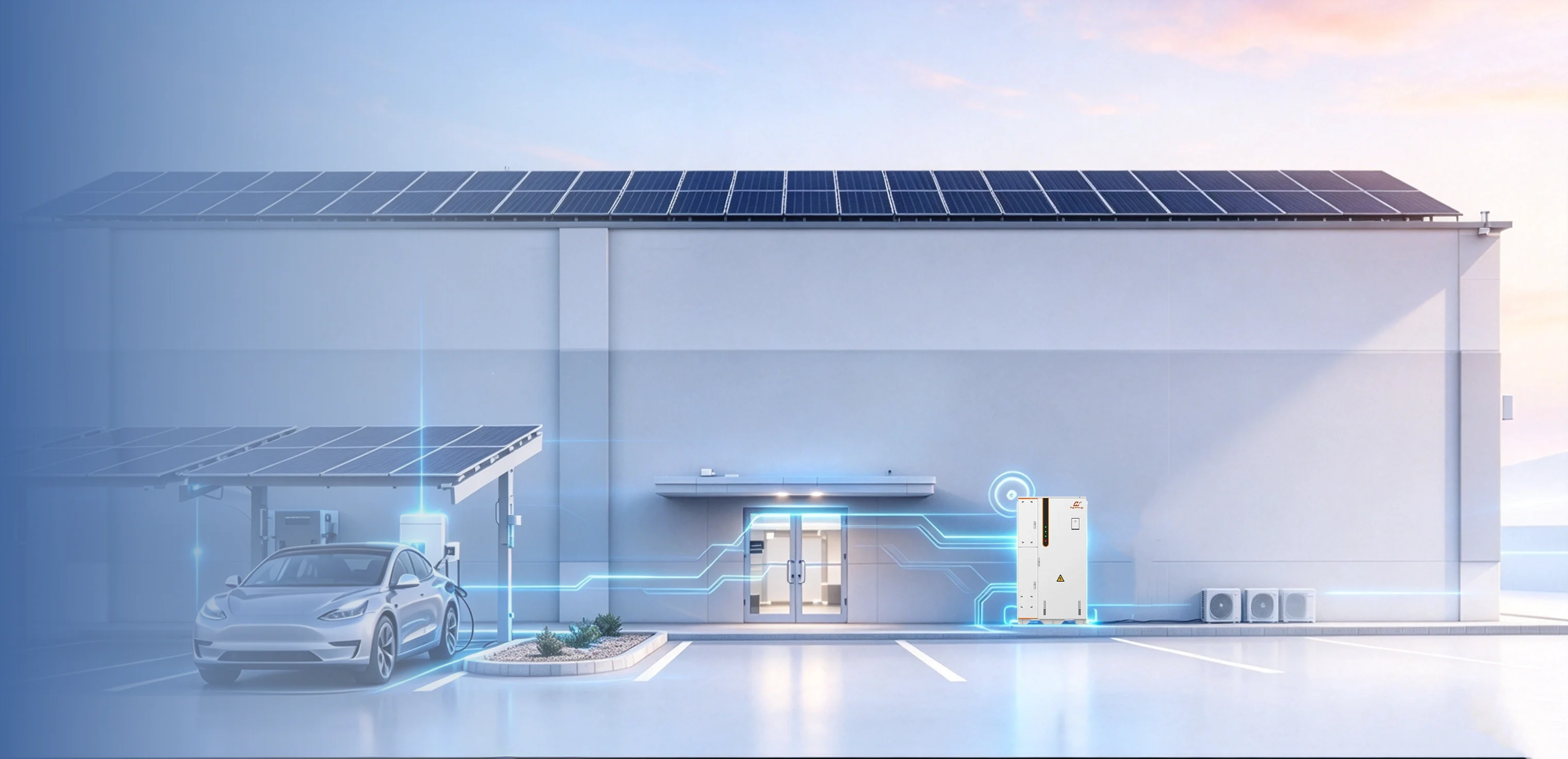
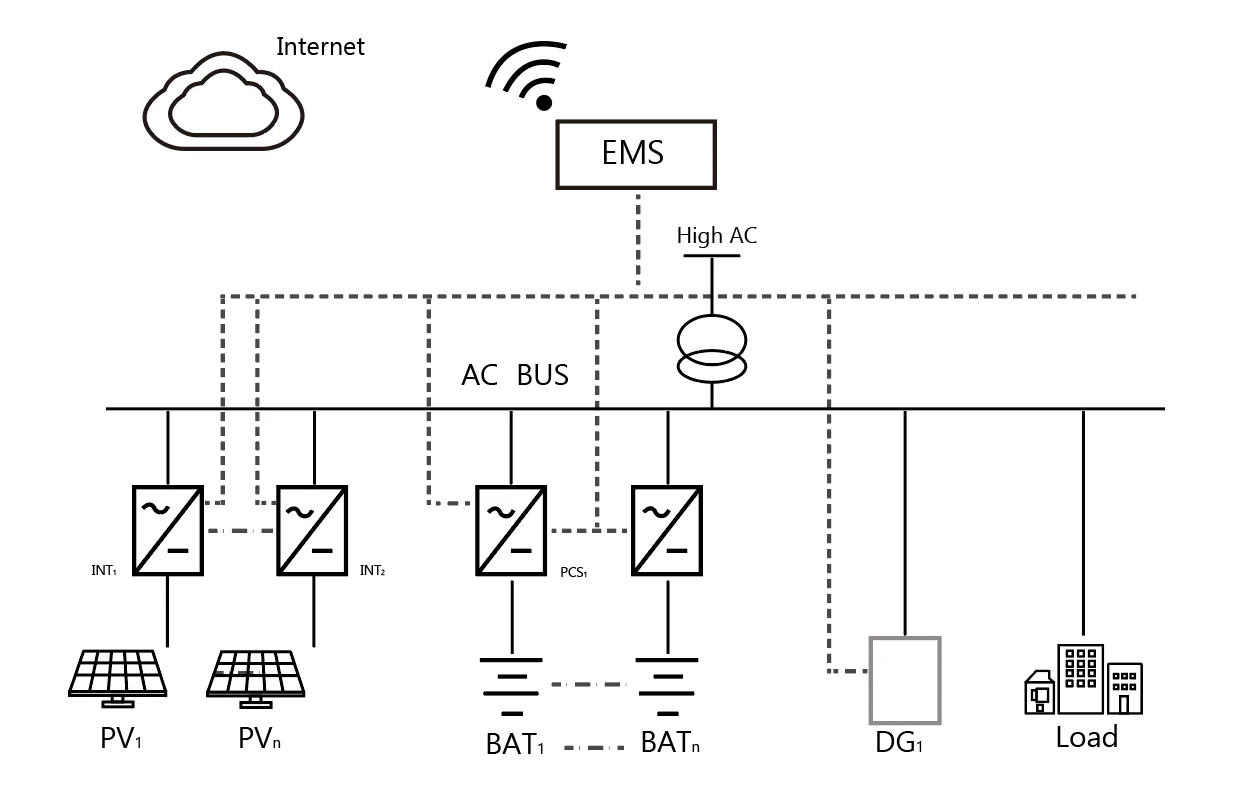
Charging Mode (AC to DC): During the day, when the power generated by the photovoltaic arrays (PV1~PVn) through the PV inverters (INT1~INT2) is abundant and exceeds the demand of the building load on the right, there will be surplus electrical energy on the AC bus. At this time, the EMS will command the PCS to enter the rectification/charging state. The PCS converts the alternating current from the AC bus into direct current and stores it in the batteries (BAT1~BATn) below.
Discharging Mode (DC to AC): At night, during periods of insufficient sunlight, or during peak power consumption when PV generation cannot meet the load demand, the system needs supplementary energy. At this point, the PCS will enter the inversion/discharging state. It converts the direct current stored in the batteries (BAT1~BATn) into alternating current and delivers it to the AC bus, working in coordination with the PV system, the high-voltage grid (High AC), or the diesel generator (DG1) to supply power to the load.
Technical Specifications
| HG-PCS150K-B | ||
| Parameter | Specification | |
| DC Side Parameters | Max. DC Power (kW) | 165 |
| Max. DC Bus Voltage (V) | 1500 | |
| Max. DC Current (A) | 165 | |
| DC Operating Voltage Range (V) | 1000 – 1500 | |
| Number of DC Inputs | 1 | |
| AC Parameters (On-Grid) | Rated AC Power (kW) | 150 @ 45℃ |
| Max. Output Power (kW) | 1.1 Pn continuous / 1.2 Pn 1 min | |
| Rated AC Voltage | 690 V, 3P4W+PE / 3P3W+PE | |
| Allowed Grid Voltage Range (V) | 586 – 794 | |
| Rated Grid Frequency (Hz) | 50 / 60 | |
| Allowed Grid Frequency Range | 45 – 55 Hz @ 50 Hz / 55 – 65 Hz @ 60 Hz | |
| Total Current Harmonic Distortion (THDi) | ≤ 3% (at rated power) | |
| Power Factor | -1 ~ +1 (leading/lagging) | |
| Power Control Accuracy | < 5% (≥ 20% Pn) | |
| Charge/Discharge Switching Time (ms) | ≤ 20 | |
| AC Parameters (Off-Grid) | Rated Output Voltage (V) | 690 V, 3P4W+PE / 3P3W+PE |
| AC Output Voltage Range (V) | 586 – 794 | |
| Total Voltage Harmonic Distortion (THDv) | < 3% (100% linear load) | |
| Rated Output Frequency (Hz) | 50 / 60 | |
| DC Component (%) | < 0.5% (balanced linear load) | |
| Unbalanced Load Capacity | 100% | |
| System Parameters | Isolation Topology | Transformerless (Non-isolated) |
| Communication Interfaces | CAN / RS485 / Ethernet | |
| Human-Machine Interface (HMI) | Web, App | |
| Communication Protocols | Modbus TCP / Modbus RTU / CAN 2.0 | |
| Max. Conversion Efficiency | 98.50% | |
| Operating Ambient Temperature Range (℃) | -30℃ ~ +50℃ (without derating) | |
| Relative Humidity Range | < 95% (non-condensing) | |
| Max. Operating Altitude (m) | 4000 m (derating above 3000 m) | |
| Acoustic Noise (dB) | < 65 dB (indoor) | |
| Dimensions (W × H × D) (mm) | 800 × 275 × 900 | |
| Weight (kg) | 102 | |
| Ingress Protection (IP Rating) | IP65 | |
| Cooling Method | Smart Forced-Air Cooling | |
| Insulation Resistance (MΩ) | ≥ 100 | |
Video
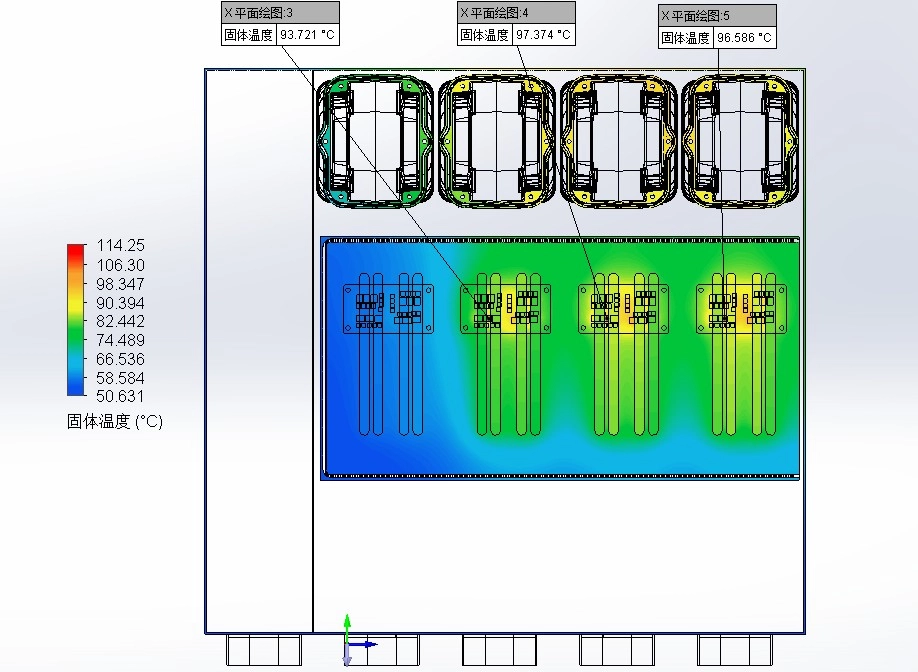
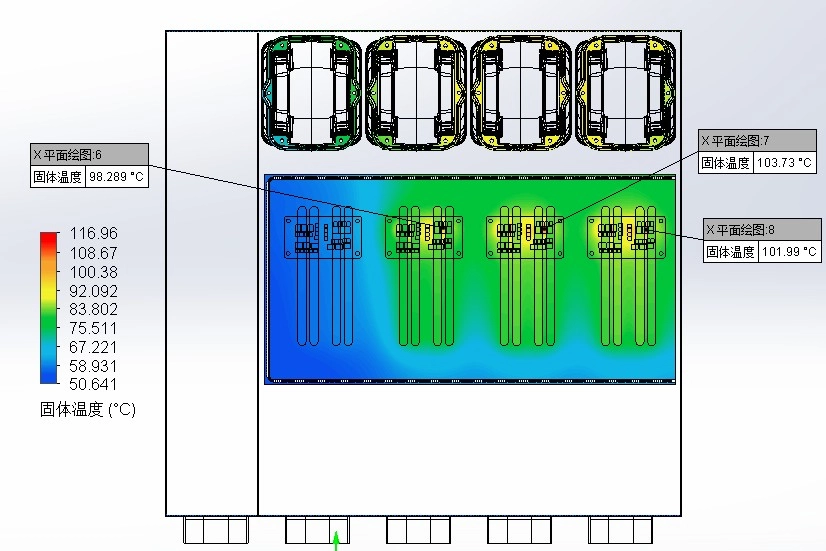
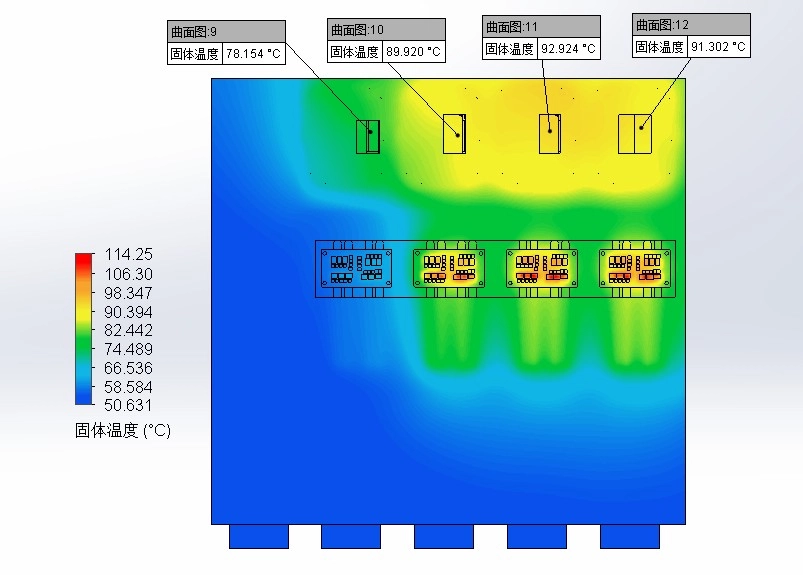
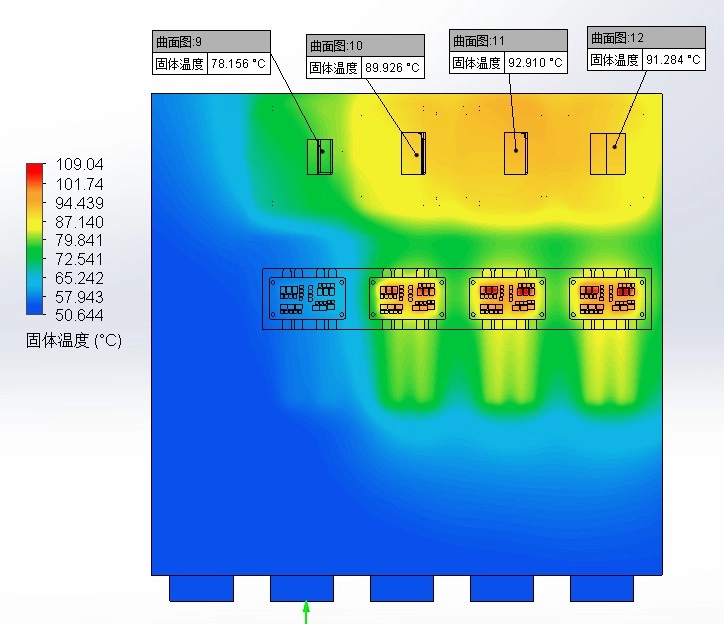
Higre 150kW Power Conversion System Heatsink Test
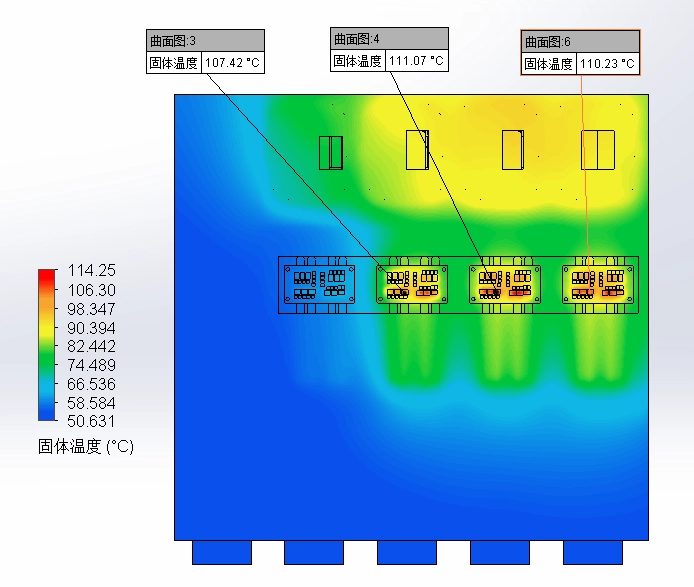
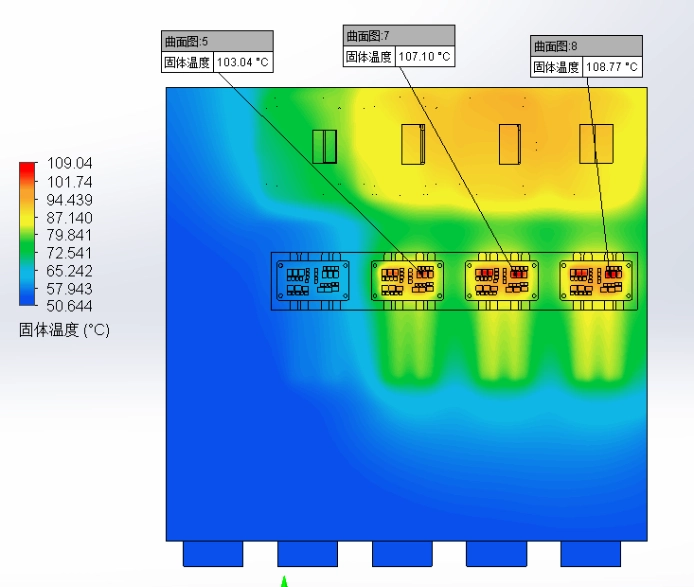
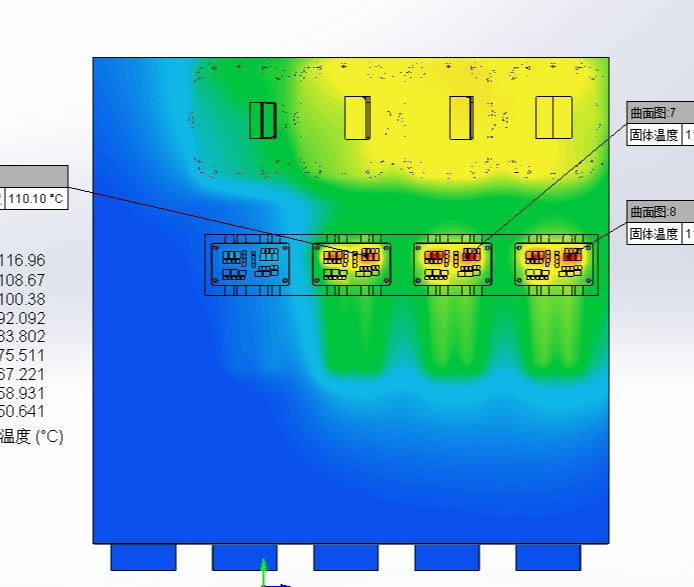
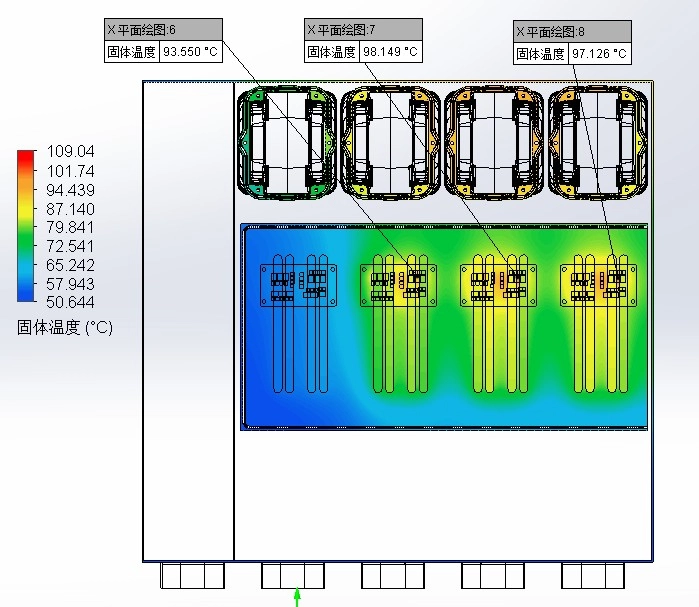
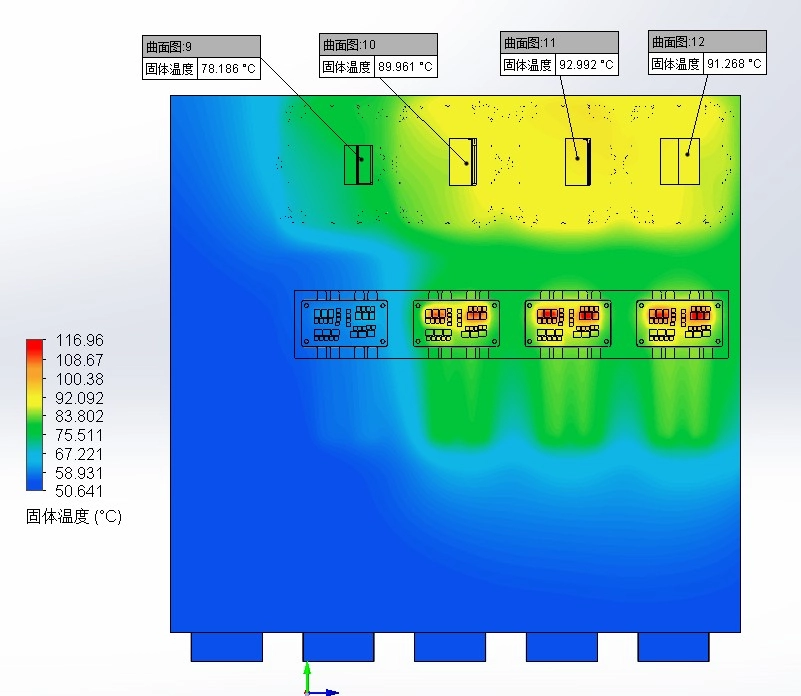
| Operating Condition | Total Power Loss (W) | Ambient Temperature (°C) | Maximum Temperature (°C) | Maximum Temperature Rise (°C) |
| PF=1 | 2428.6 | 50 | 114.2 | 64.2 |
| PF=0 | 2434.9 | 50 | 109 | 59 |
| PF=-1 | 2444.4 | 50 | 116.9 | 66.9 |
Download
FAQs:
-
What is the function of a PCS in an energy storage system?
A PCS converts electricity between AC and DC while controlling battery charging, discharging, and grid interaction.
-
Which PCS capacity should I choose?
The appropriate PCS size depends on battery capacity, load profile, application objectives, and project design requirements.
-
Can HGES Link PCS support microgrid applications?
Yes. The system supports both grid-connected and islanded operation modes, making it suitable for microgrids.
Related Products
Other products you might be interested in
-
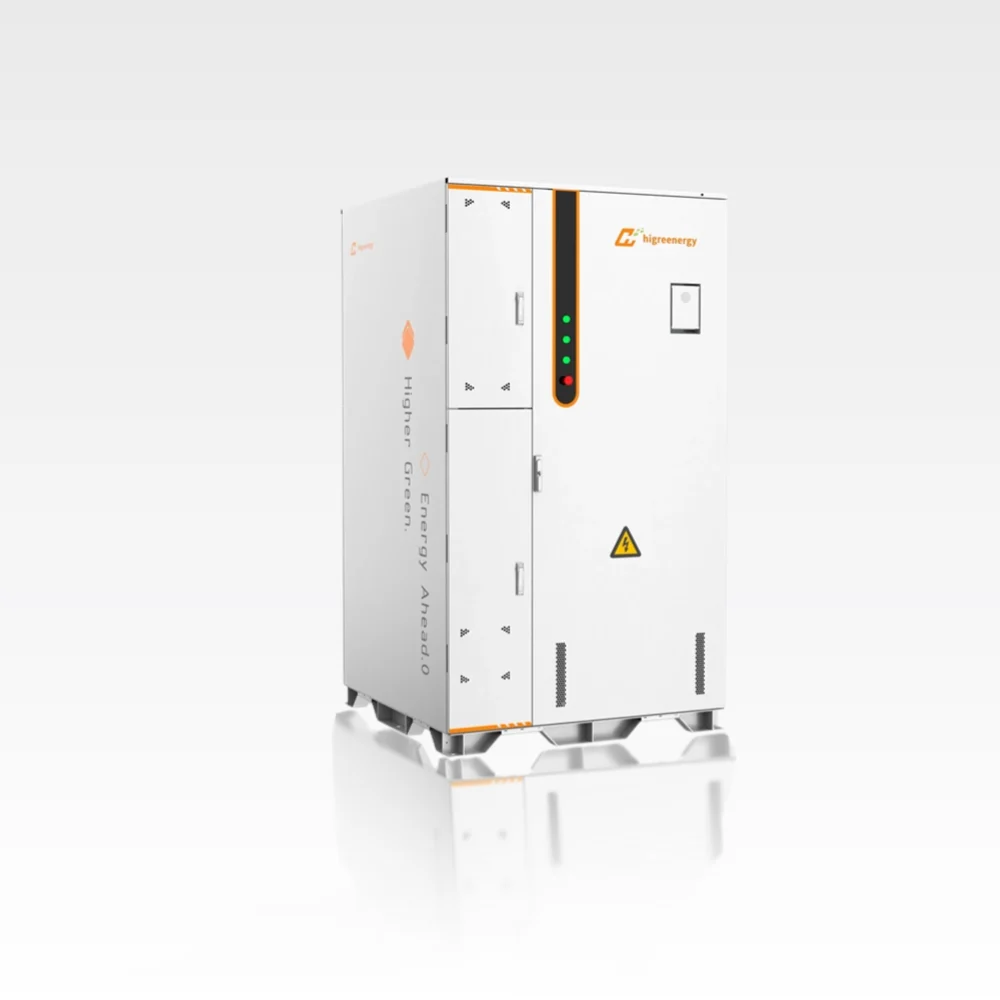
Higre Battery Energy Storage System
HG-ESS261kWh-150kW
View More -
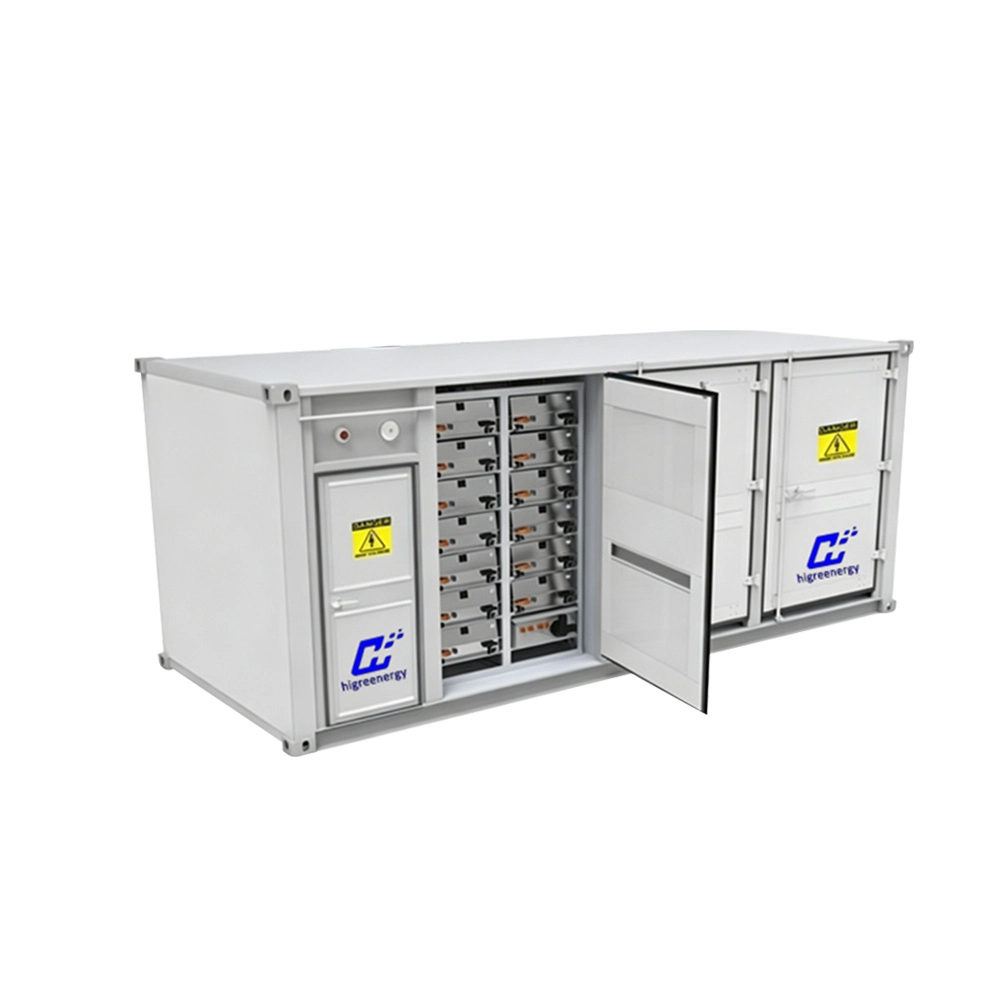
Utility-Scale Containerized Battery Energy Storage System
HGES X
View More -
BESS
Integrated BESS Technology
View More -
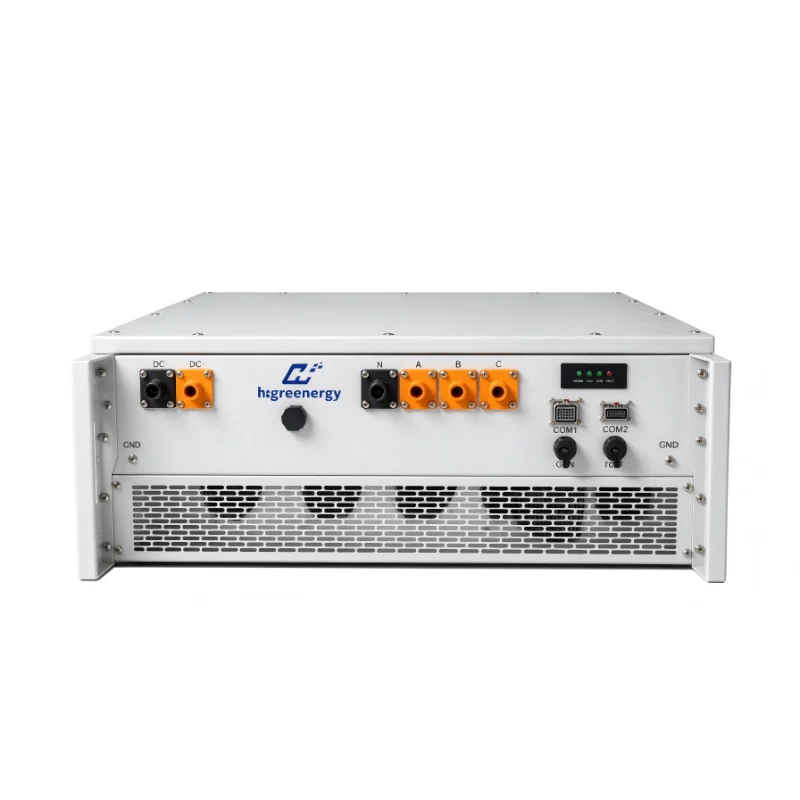
Higre ESS PCS
HG-PCS125K-215K
View More -
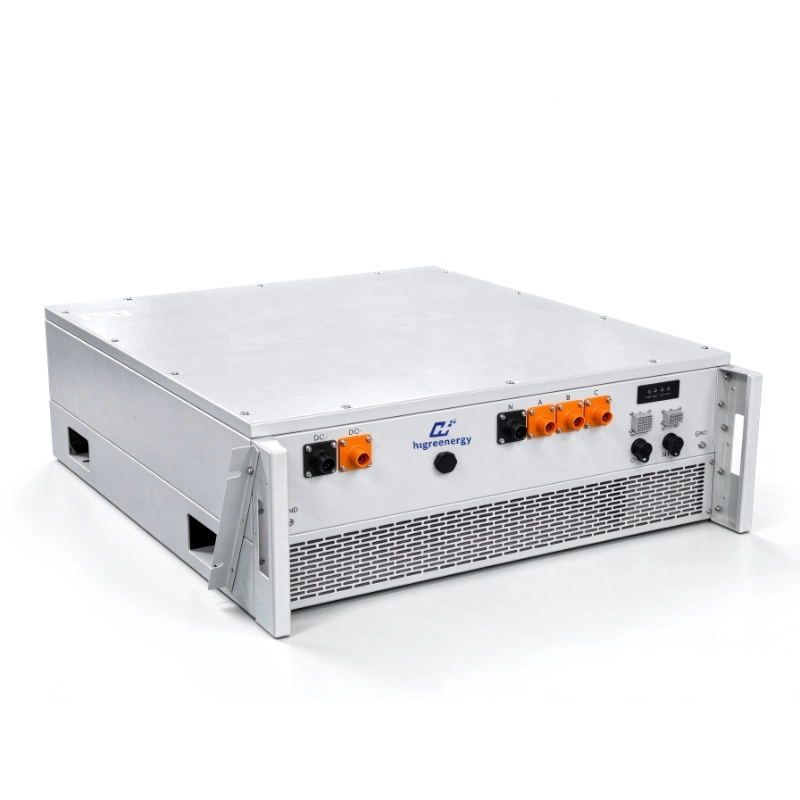
125kW Power Conversion System
HG-PCS125K
View More -
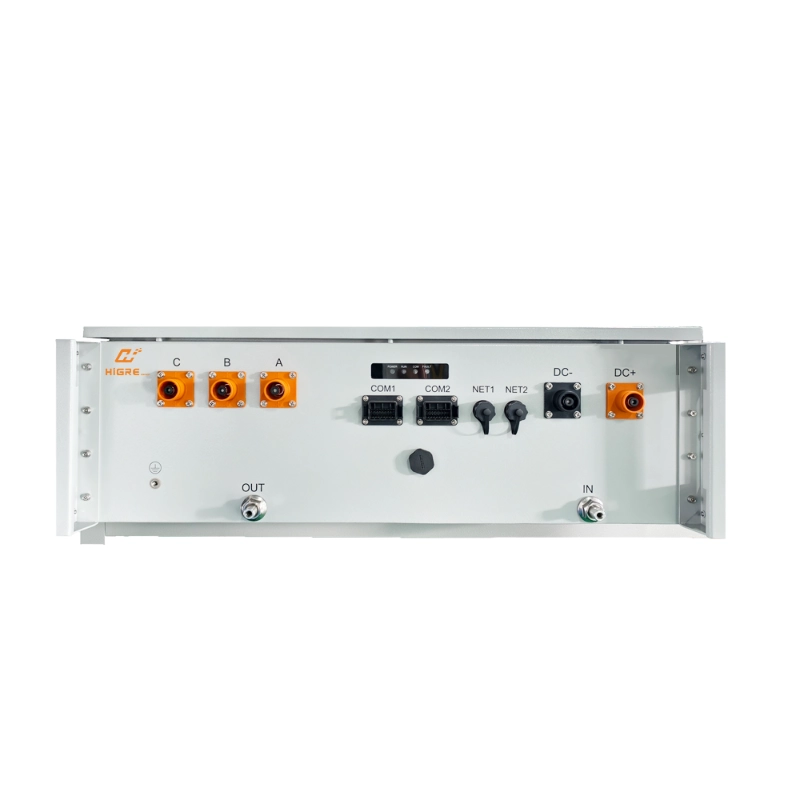
450kW Liquid-Cooled Power Conversion System
HG-PCS450K-A
View More -
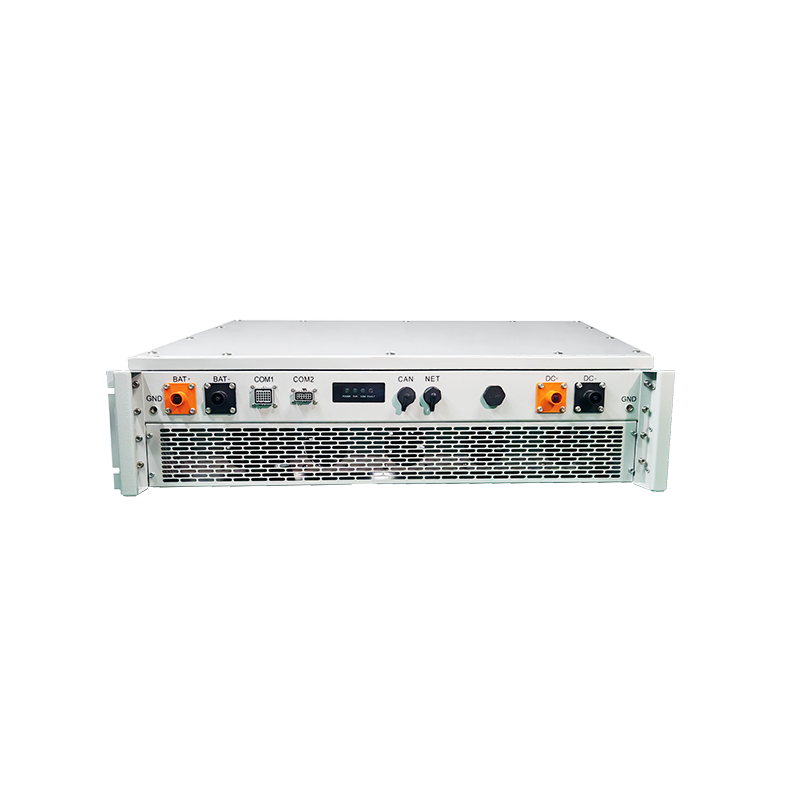
Energy Storage DC/DC Converter
HG-DCDC150KW
View More
 Chat
on WhatsApp