








预防性维护与被动维修:哪种方法更能保障储能系统正常运行时间?
Release time: 2026-09-20
目录
The rapid integration of renewable energy sources into the global power grid has necessitated the widespread deployment of Battery Energy Storage Systems (BESS). These systems are crucial for managing intermittency, ensuring grid stability, and optimizing energy consumption. However, the economic viability and operational success of any BESS rely heavily on a single, critical metric: uptime. Maximizing uptime requires a strategic approach to maintenance, presenting operators with a fundamental choice: adopt a proactive, preventive strategy, or rely on a reactive, break-fix approach.
This comprehensive analysis delves into the technical and economic implications of both preventive maintenance and reactive repair strategies for BESS, evaluating their respective impacts on system uptime, lifecycle costs, and overall operational reliability.
Understanding the Stakes: BESS Uptime and Its Value
Before analyzing maintenance strategies, it is essential to define what BESS uptime represents and why it is so critical. Uptime is the percentage of time a system is fully operational, available to charge or discharge as required.
Downtime, conversely, represents lost revenue. Whether a BESS is participating in frequency regulation markets, providing peak shaving services, or ensuring backup power for critical infrastructure, unavailability carries immediate financial consequences. Furthermore, frequent unexpected failures can compromise grid stability and damage the long-term reputation of the operator.
Therefore, the primary objective of any BESS maintenance program is to maximize uptime while optimizing the total cost of ownership (TCO) over the system’s operational lifespan, which typically ranges from 10 to 15 years.
Strategy 1: Reactive Repair (Run-to-Failure)
Reactive repair, often termed “run-to-failure,” is a maintenance strategy where interventions occur only after a component has failed or performance has degraded below acceptable thresholds. In this model, maintenance activities are triggered by alarms, system faults, or complete system shutdowns.
Characteristics of Reactive Maintenance
- Low Initial Maintenance Costs: In the short term, this approach requires minimal investment in diagnostic equipment, monitoring software, or routine technician visits.
- High Interruption Rate: Failures are unpredictable, leading to unplanned downtime.
- Emergency Response: Repairs often require emergency dispatch of technicians and expedited shipping of replacement parts, both of which carry premium costs.
The Impact on BESS Uptime
Relying solely on reactive repair is inherently detrimental to BESS uptime. When a critical component, such as an inverter module or a battery management system (BMS) controller, fails unexpectedly, the entire string or system may be forced offline.
The duration of this downtime is determined by the Mean Time To Repair (MTTR). In a reactive scenario, MTTR is often extended due to several factors:
- Troubleshooting Delays: Technicians must first diagnose the root cause of the failure from scratch, which can be time-consuming in complex BESS architectures.
- Parts Availability: If the required replacement component is not kept in local inventory, procurement and shipping can add days or even weeks to the downtime.
- Resource Allocation: Emergency dispatch may be delayed if specialized technicians are not immediately available.
Hidden Costs of Reactive Repair
While the upfront costs of reactive maintenance may appear low, the long-term economic consequences are often severe:
- Lost Revenue: Every hour of downtime translates directly to lost revenue from energy market participation or energy savings.
- Collateral Damage: The failure of one component can sometimes cascade, damaging adjacent components (e.g., a failing cooling system leading to thermal runaway in battery modules).
- Shortened Asset Lifespan: Operating components until they fail stresses the overall system and can significantly reduce the operational life of the entire BESS.
Strategy 2: Preventive Maintenance
Preventive maintenance involves regular, scheduled inspections, testing, and servicing of BESS components, regardless of their current operational status. The goal is to identify and mitigate potential issues before they manifest as failures.
Core Components of a Preventive Program
A robust preventive maintenance program for a BESS typically includes:
- Visual Inspections: Regular checks for physical damage, corrosion, loose connections, or leaks in cooling systems.
- Thermal Imaging: Using infrared cameras to detect hotspots in electrical connections, inverters, and battery modules, which often precede failures.
- Capacity Testing: Periodic evaluation of battery capacity and State of Health (SOH) to track degradation and predict end-of-life.
- Software Updates: Ensuring the BMS and Energy Management System (EMS) are running the latest firmware for optimal performance and security.
- Cooling System Servicing: Cleaning filters, checking coolant levels, and testing pumps to maintain optimal operating temperatures, which is critical for battery longevity.
The Impact on BESS Uptime
Preventive maintenance is fundamentally aligned with maximizing BESS uptime. By systematically addressing wear and tear and identifying early warning signs of component degradation, operators can significantly reduce the frequency of unplanned failures.
The key advantage is control over downtime. When a potential issue is identified during a routine inspection, the repair or replacement can be scheduled during periods of low energy demand or planned outages. This proactive approach minimizes the impact on revenue generation and ensures that replacement parts and technical resources are readily available before the system is taken offline.
The Transition to Predictive Maintenance
BESS installations are increasingly leveraging advanced data analytics to transition from strictly schedule-based preventive maintenance to predictive maintenance. By continuously monitoring parameters such as temperature, voltage, current, and internal resistance, algorithms can predict when a component is likely to fail, allowing for “just-in-time” interventions. This further optimizes maintenance schedules and minimizes unnecessary servicing.
Comparative Analysis: Preventive vs. Reactive
The following table summarizes the key differences between the two approaches:
| 特征 | Reactive Repair (Run-to-Failure) | Preventive Maintenance |
| Trigger | Component failure or critical alarm | Time-based schedule or condition monitoring |
| Initial Cost | Low (minimal scheduled activities) | Higher (requires regular labor and materials) |
| Long-Term Cost | High (emergency repairs, lost revenue, collateral damage) | Lower (optimized performance, extended lifespan) |
| Impact on Uptime | High unplanned downtime; extended MTTR | Maximized uptime; planned, manageable downtime |
| Resource Management | Chaotic; requires emergency dispatch | Predictable; allows for optimized scheduling |
| Asset Lifespan | Potentially shortened due to cascading failures | Extended through optimal operating conditions |
| Risk Profile | High risk of revenue loss and system instability | Low risk; provides operational certainty |
Higre Energy Solution
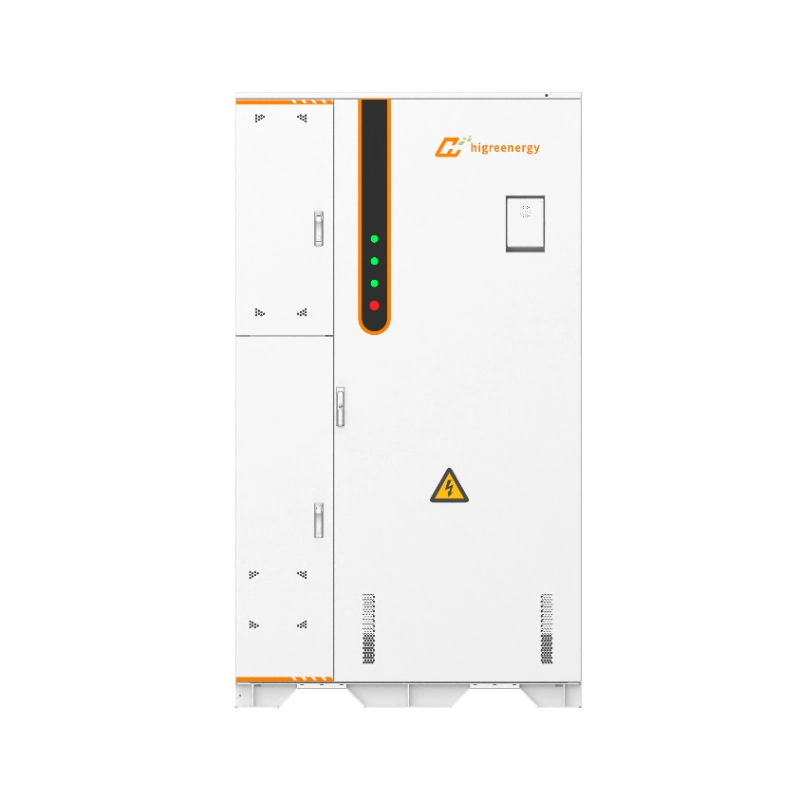
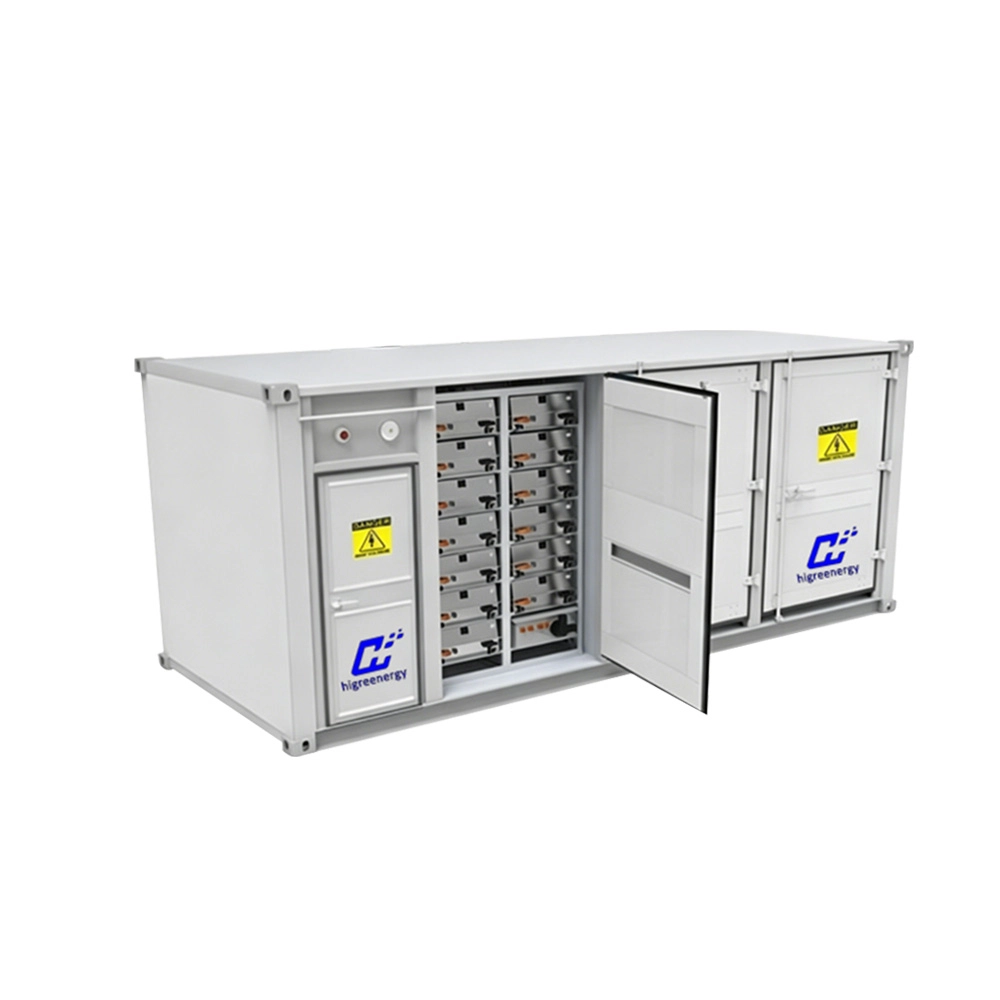
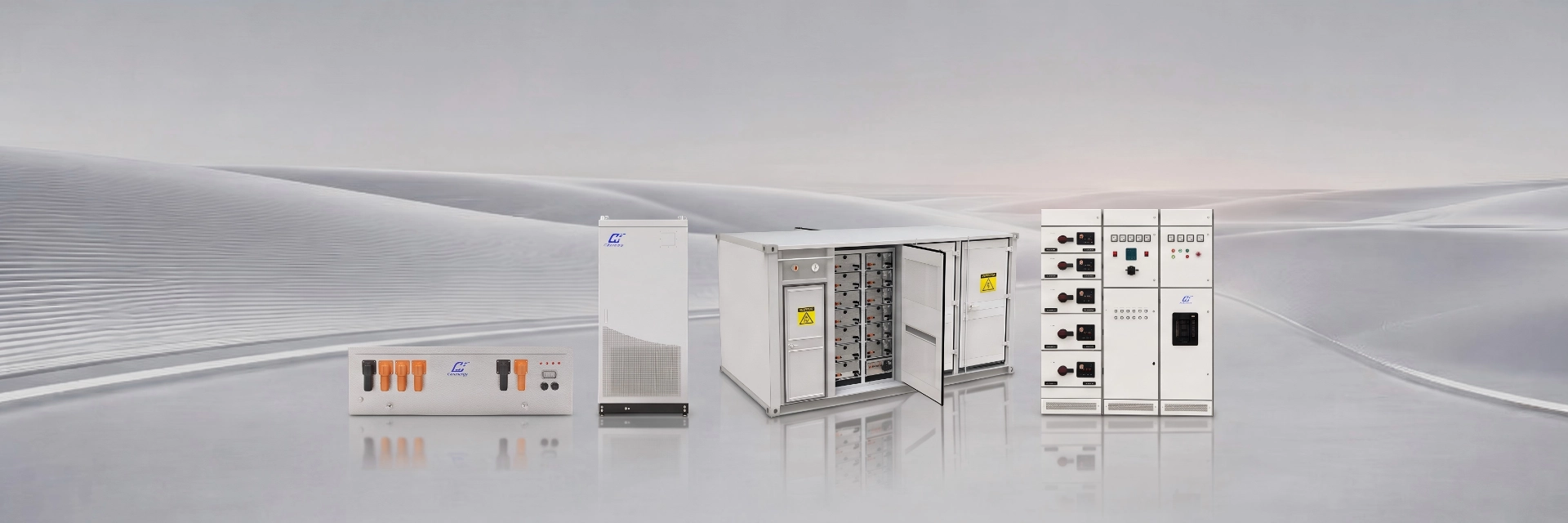
The system features a highly modular architecture. If a single unit malfunctions, after-sales personnel can perform direct, “plug-and-play” module replacements on-site. This process does not require shutting down the entire system, ensuring continuous project operation and minimizing maintenance downtime.
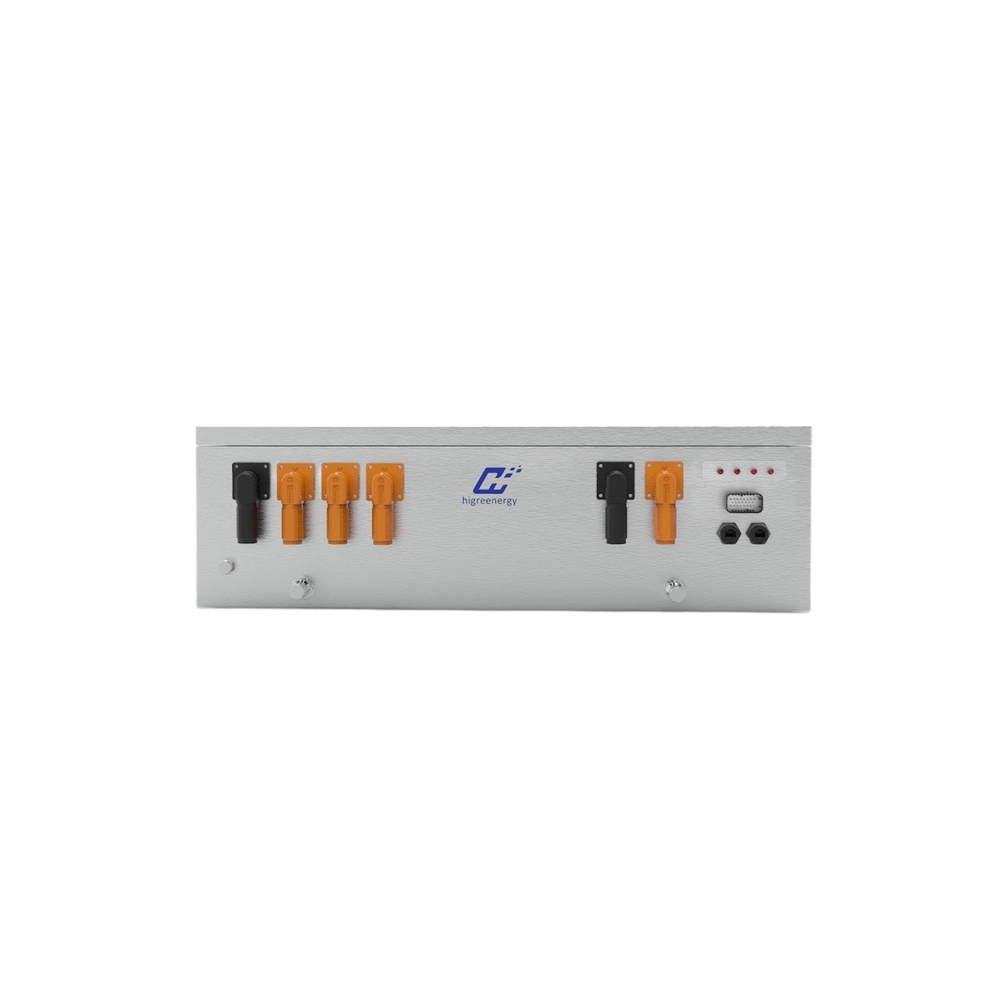
Equipped with 24/7 data acquisition capabilities, the BMS monitors voltage, temperature, and SOC/SOH status in real time. The after-sales team can conduct remote diagnostics via the backend to pinpoint faults and offer predictive maintenance recommendations. This significantly reduces the frequency of manual on-site inspections and the time spent on blind troubleshooting.
The liquid cooling system provides precise temperature control, effectively preventing premature cell aging caused by localized overheating and drastically reducing long-term battery failure rates. Additionally, compared to traditional air cooling, the highly sealed liquid-cooled architecture greatly reduces tedious routine maintenance tasks, such as replacing filters and internal dust cleaning.
Utilizing high-quality lithium iron phosphate cells with over 8,000 cycles significantly extends the replacement intervals for core components. This dramatically reduces the costs associated with deep maintenance and part replacements due to battery degradation throughout the project’s lifecycle.
Built-in insulation monitoring, fault detection, and integrated fire protection systems automatically block and isolate risks in the early stages of an anomaly. This multi-tier protection mechanism prevents single-point failures from causing system-wide damage, making post-incident damage assessment and safety restoration highly efficient for the after-sales team.
With IP55 cabinet protection and IP67 battery pack protection, the system effectively blocks out moisture, dust, and other environmental intrusions. This greatly lowers the risks of hardware corrosion or short circuits caused by harsh working conditions, saving owners from frequent routine maintenance expenses like external cleaning and rust prevention.
结论
While a reactive repair strategy might seem appealing due to its low initial financial barrier, it is a fundamentally flawed approach for managing critical energy infrastructure like a BESS. The hidden costs associated with unplanned downtime, emergency repairs, and shortened asset lifespan quickly outweigh any short-term savings.
To truly protect BESS uptime and maximize the return on investment, operators must adopt a robust preventive maintenance strategy. Regular inspections, condition monitoring, and proactive servicing are essential for mitigating risks, ensuring operational reliability, and unlocking the full economic potential of battery energy storage systems. The transition toward data-driven predictive maintenance further strengthens this approach, offering the highest level of assurance for sustained BESS performance.
常见问题解答
How often should preventive maintenance be performed on a BESS?
The frequency of preventive maintenance depends on the specific BESS technology, the manufacturer’s recommendations, and the operational environment. Generally, basic visual inspections should occur monthly or quarterly, while comprehensive system testing and servicing are typically performed annually. Systems operating in harsh environments or cycling frequently may require more frequent maintenance.
Does implementing a preventive maintenance program guarantee 100% uptime?
No maintenance strategy can guarantee absolute perfection. Even with rigorous preventive measures, unexpected component failures can occasionally occur due to manufacturing defects or extreme external events. However, a strong preventive program significantly reduces the probability of such failures and ensures that the system recovers much faster when they do happen, pushing uptime close to the theoretical maximum.
What is the typical Return on Investment (ROI) for a preventive maintenance contract?
Calculating the exact ROI depends heavily on the specific market the BESS operates in. However, the ROI is generally very high. It is calculated by comparing the cost of the maintenance program against the avoided costs of lost revenue during unplanned downtime, emergency repair premiums, and the deferred capital expenditure achieved by extending the system’s overall lifespan. In most commercial applications, avoiding just one major unplanned outage can pay for a year’s worth of preventive maintenance.