






电池温度管理如何影响工商业储能系统可用性和生命周期成本
Release time: 2026-09-20
目录
The exponential integration of renewable energy and the pressing need for grid resilience have propelled Commercial and Industrial (C&I) Battery Energy Storage Systems (BESS) from niche technologies to essential infrastructure. For facility managers, energy developers, and commercial enterprises, a BESS represents a significant capital expenditure designed to unlock revenue streams such as peak shaving, load shifting, and demand response. However, the financial viability and operational reliability of these systems hinge on one critical, often underestimated factor: temperature.
Battery temperature management is not merely a safety protocol; it is the central nervous system of BESS efficiency. The effectiveness of a Battery Thermal Management System (BTMS) directly dictates system availability (uptime) and total lifecycle cost. By controlling the internal microclimate of the battery enclosures, operators can mitigate electrochemical degradation, prevent catastrophic failures, and optimize the Levelized Cost of Storage (LCOS).
This article explores the deep interplay between thermal dynamics, system availability, and the financial lifecycle of C&I BESS deployments.
The Electrochemistry of Temperature and Battery Health
At their core, the lithium-ion cells predominantly used in modern commercial storage are highly sensitive electrochemical engines. Their performance, capacity retention, and safety are strictly governed by their operating temperature. The universally accepted optimal temperature range for lithium-ion batteries is between 20°C and 25°C (68°F to 77°F). Deviations from this narrow band trigger a cascade of negative internal reactions.
The Impact of Elevated Temperatures
When a BESS operates above the optimal threshold, the electrochemical reactions accelerate. While this temporarily lowers internal resistance and can briefly increase power output, the long-term consequences are severe:
- Accelerated Degradation: High heat accelerates the growth of the Solid Electrolyte Interphase (SEI) layer on the anode. As this layer thickens, it consumes active lithium ions, leading to irreversible capacity fade.
- Cell Imbalance: Uneven temperature distribution within a battery rack causes cells to degrade at different rates. The weakest cell ultimately dictates the performance of the entire string, artificially capping the system’s usable energy.
- Thermal Runaway Risk: Extreme heat, often caused by external environmental factors combined with aggressive charge/discharge cycles, can break down the electrolyte. This exothermic reaction generates more heat, potentially culminating in a hazardous thermal event if not contained by an advanced management mechanism.
The Impact of Sub-Optimal Temperatures
Conversely, cold environments introduce a different set of challenges:
- Lithium Plating: Charging a battery at low temperatures slows down the intercalation of lithium ions into the anode. Instead of embedding smoothly, lithium accumulates on the surface as metallic lithium plating. This drastically reduces capacity and creates dendrites, which can pierce the separator and cause internal short circuits.
- Increased Internal Resistance: Cold temperatures thicken the liquid electrolyte, impeding ion flow. This results in sluggish performance, significant voltage drops during discharge, and vastly reduced usable energy capacity.
Effects of Temperature Deviation on Li-ion BESS
| Operating Condition | Temperature Range | Primary Electrochemical Effect | Impact on BESS Performance |
| Optimal | 20°C to 25°C | Stable ion transfer, minimal SEI growth | Maximum efficiency, nominal lifespan, high availability |
| Mild Heat | 30°C to 45°C | Accelerated parasitic reactions | 20-30% reduction in expected cycle life, faster capacity fade |
| Extreme Heat | > 50°C | Electrolyte breakdown, separator melt | High risk of critical failure, mandatory system shutdown |
| Mild Cold | 0°C to 15°C | Increased electrolyte viscosity | Temporary capacity reduction, sluggish power delivery |
| Extreme Cold | < 0°C | Severe lithium plating (during charging) | Permanent structural damage, dendrite formation, severe efficiency loss |
Thermal Management and BESS Availability
In the C&I sector, “availability” refers to the percentage of time a storage asset is fully operational and ready to dispatch power. Unlike utility-scale deployments that might have redundant blocks, a C&I BES system is often sized precisely for a specific facility’s load. If the system is offline during a 15-minute peak demand window, the financial return for that entire billing cycle can be lost.
Preventing Nuisance Tripping and System Lockouts
Modern Battery Management Systems (BMS) are programmed with strict thermal thresholds. If the internal temperature rises too quickly during high C-rate applications (like aggressive demand charge management), the BMS will automatically derate (reduce power output) or completely shut down the system to protect the cells.
An inadequate thermal management setup forces the BMS to intervene frequently. These thermal lockouts directly reduce system availability. A robust BTMS, however, aggressively extracts heat during intensive operations, ensuring the internal temperature remains within the safe operating window, thereby guaranteeing that the system can dispatch full power exactly when the facility load demands it.
Combating Environmental Extremes
C&I BESS units are frequently installed outdoors—on commercial rooftops, in hot parking lots, or exposed industrial yards. Availability in these scenarios is entirely dependent on the BTMS’s ability to isolate the internal battery environment from extreme ambient weather. Systems equipped with advanced insulation and proactive climate control can maintain 99.9% uptime regardless of whether the outside temperature is a freezing -20°C or a blistering 45°C.
Dissecting the Lifecycle Cost (CAPEX vs. OPEX)
The financial evaluation of a C&I storage asset goes far beyond the initial purchase price. The Levelized Cost of Storage takes into account Capital Expenditures (CAPEX), Operational Expenditures (OPEX), degradation curves, and eventual replacement costs over a 10 to 15-year horizon.
Capital Expenditure (CAPEX)
The initial cost of the thermal control infrastructure varies wildly based on the technology selected.
- Air-Cooled Systems: Utilizing standard HVAC technology and fans to circulate chilled air through the battery enclosures. These represent a lower initial CAPEX. However, air is a poor conductor of heat, requiring wider spacing between cells, which increases the physical footprint of the enclosure.
- Liquid-Cooled Systems: Utilizing a closed-loop system of coolant (typically a water-glycol mix) pumped through cold plates directly adjacent to the battery cells. This requires a higher initial CAPEX due to the complex plumbing, pumps, and chillers involved.
Operational Expenditure (OPEX) and Parasitic Load
OPEX is where the true cost of thermal management reveals itself. Cooling a battery requires energy, known as “parasitic load.” Every kilowatt-hour consumed by the HVAC or liquid chiller is a kilowatt-hour that cannot be discharged to the facility or sold back to the grid.
While liquid cooling has a higher CAPEX, it is significantly more energy-efficient than air cooling. Liquids possess a heat capacity up to 3000 times greater than air. Therefore, a liquid chiller runs for shorter durations and consumes less power to achieve the same temperature reduction as a massive HVAC fan system. Over a 10-year lifespan, the reduced parasitic load of an advanced cooling architecture drastically lowers OPEX.
Augmentation and Replacement Costs
The most devastating impact on lifecycle financial modeling is premature battery degradation. If poor temperature uniformity causes a BESS to degrade to 70% capacity in year 5 instead of year 8, the C&I operator is forced into early “augmentation” (adding new battery racks to restore capacity) or complete system replacement.
By maintaining strict thermal uniformity (ensuring the temperature difference between any two cells in a megawatt-scale system is less than 3°C), an advanced BTMS extends the usable life of the asset. Delaying a multi-million-dollar augmentation by even three years radically transforms the return on investment (ROI).
Comparative Lifecycle Cost Analysis of Thermal Management Technologies
| 特征 | Air Cooling (HVAC) | 液冷 |
| Initial CAPEX | Low to Moderate | 高的 |
| Energy Consumption (OPEX) | High (Constant fan operation) | Low (Efficient heat transfer) |
| Temperature Uniformity | Fair (ΔT up to 5°C – 8°C) | Excellent (ΔT < 3°C) |
| System Footprint | Large (Requires air channels) | Highly Compact |
| Expected Battery Lifespan | Baseline | Extended (up to 20% longer) |
| Ideal Application | Low C-rate, <2 MWh systems | High C-rate, large capacity systems |
Choosing the Right System for C&I Applications
Selecting the appropriate thermal architecture requires a deep understanding of the specific commercial use case.
When to Choose Air Cooling:
For smaller commercial facilities requiring basic load shifting over long durations (e.g., 4-hour charge/discharge cycles at 0.25C), an air-conditioned enclosure may suffice. If the ambient environment is relatively mild and space is not a limiting factor, the lower initial capital outlay of an HVAC system makes financial sense.
When to Choose Liquid Cooling:
As C&I storage trends toward higher energy density (moving from 280Ah cells to 300Ah+ cells) and aggressive applications like rapid frequency regulation or EV fleet fast-charging support, liquid-based management becomes non-negotiable. High C-rate operations generate immense localized heat. Only cold plates can extract this thermal energy fast enough to prevent BMS lockouts, ensuring maximum uptime and protecting the long-term financial lifecycle.
Furthermore, space is often at a premium in commercial real estate. Because liquid-chilled cells can be packed tightly together without the need for wide air corridors, these systems offer a significantly higher energy density per square foot, maximizing the value of the installation site.
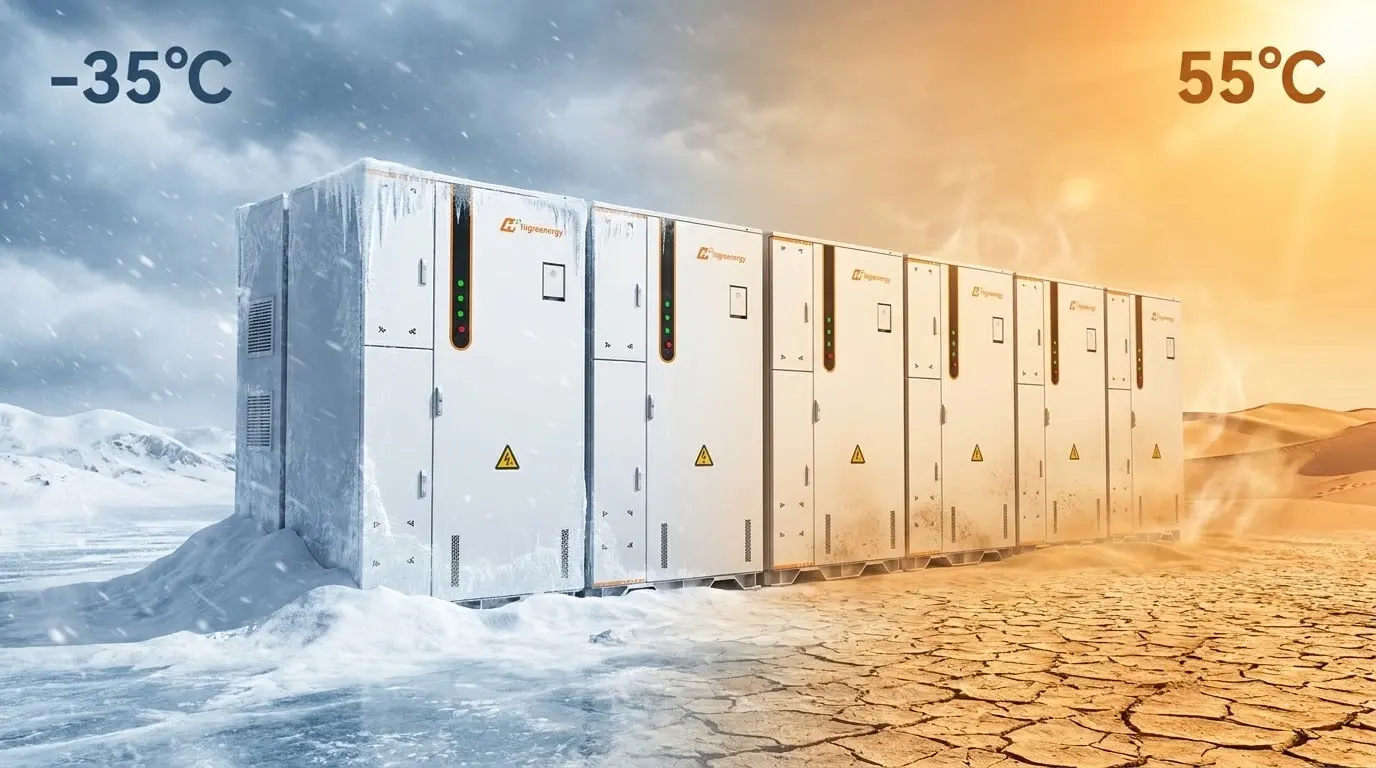
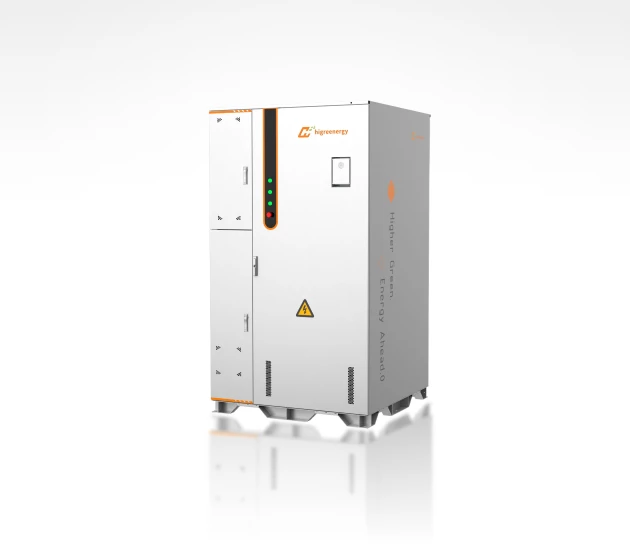
Higre Energy Solution – Higre ESS Stor – Liquid Cooling and self-heating
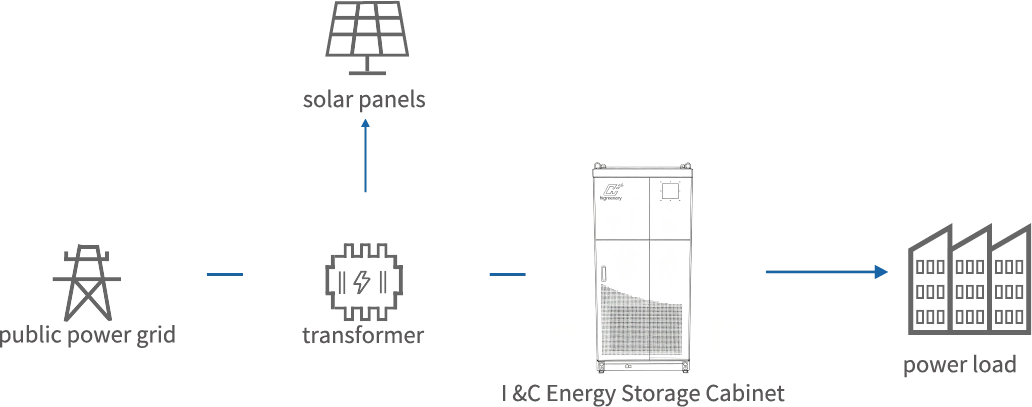
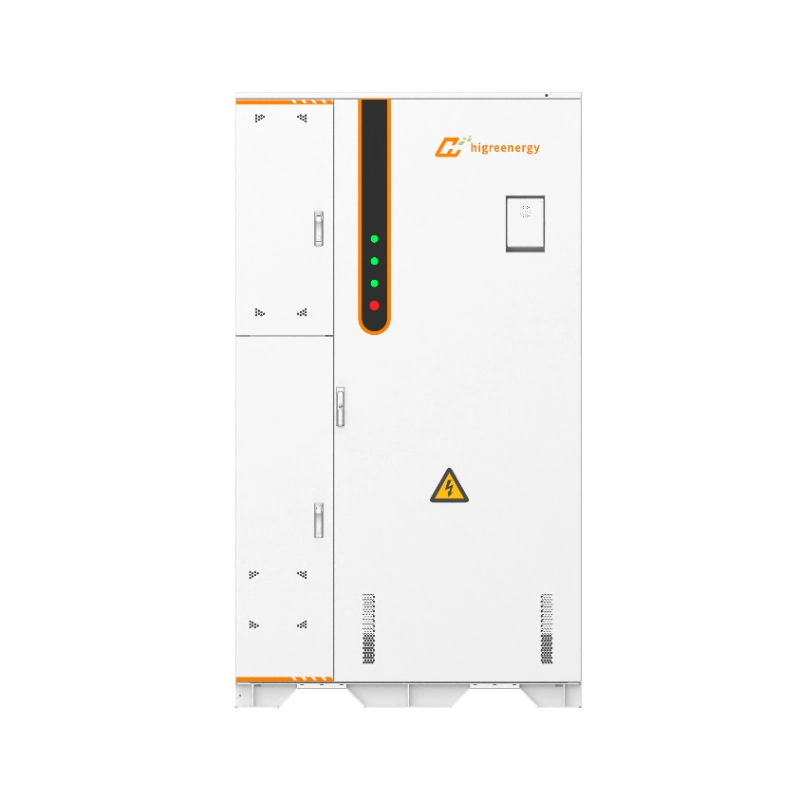
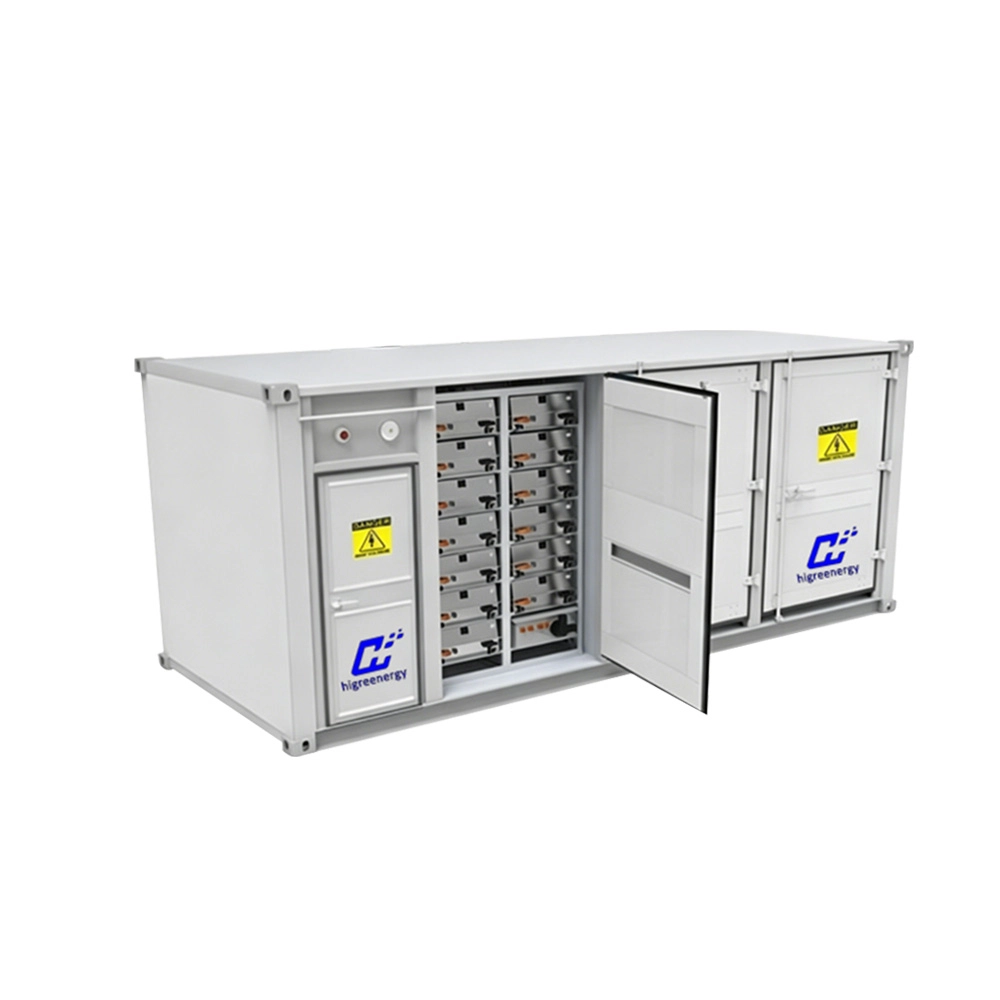
这 HGES 存储 261 是一款紧凑型、可扩展的商用电池储能柜,旨在降低电力成本、应对高峰需求并最大限度地利用可再生能源。它配备了先进的锂电池技术、智能电池管理系统 (BMS) 和强大的安全功能,无论作为独立单元部署还是集成到太阳能+储能系统中,都能为商业和轻工业设施提供可靠的备用电源和能源弹性。.
确保高资产可用性的关键特性:
· 261千瓦时容量: 针对商业节能进行了优化。.
· Liquid Cooled: Enhanced efficiency and 8,000+ cycle life.
· -35°C to 55°C Operation: Built-in self-heating for extreme weather.
· 智能楼宇管理系统: 实时系统监控(SOC/SOH)。.
· 极致安全: 集成防火隔热功能。.
· IP55/IP67防护等级: 坚固耐用的户外适用外壳。.
与 Higre Energy 合作,获取必要的技术,超越性能保证,最大化您的储能投资回报率。.
- Whatsapp: +86 18019566616
- 邮箱: sales@higreenergy.com
结论
In the demanding landscape of Commercial and Industrial energy storage, the battery cells are the fuel, but the temperature management infrastructure is the engine that dictates performance. Viewing a Battery Thermal Management System merely as an auxiliary safety feature is a financial miscalculation.
By investing in precise, highly efficient climate control architectures, operators directly safeguard their revenue streams. Superior thermal regulation guarantees that the system remains online during critical demand spikes, minimizes parasitic energy losses, and radically extends the hardware’s lifespan. Ultimately, mastering the microclimate of a BESS is the most reliable strategy for minimizing the total lifecycle cost and maximizing long-term commercial ROI.
常问问题
How does liquid cooling compare to air cooling for high-capacity C&I BESS?
Liquid cooling offers vastly superior heat transfer capabilities compared to air cooling. Because liquids have a much higher thermal capacity, they can absorb and remove heat from densely packed battery cells much faster and more uniformly. While liquid architectures require a higher initial capital expenditure (CAPEX), they result in a smaller physical footprint, lower energy consumption (parasitic load), and significantly longer battery lifespan, often making them more cost-effective over the system’s total lifecycle.
What is the ideal ambient temperature for commercial battery storage operations?
Lithium-ion batteries operate most efficiently and safely at internal temperatures between 20°C and 25°C (68°F to 77°F). While a robust thermal control system can allow the BESS to be installed in environments ranging from -20°C to 50°C, extreme ambient weather forces the cooling or heating systems to work harder, increasing the system’s internal energy consumption.
Can an advanced thermal management system completely prevent battery degradation?
No system can completely stop degradation, as capacity fade is an unavoidable electrochemical reality of lithium-ion technology caused by cycling and calendar aging. However, an advanced thermal framework mitigates accelerated degradation. By preventing the system from operating in high-heat conditions that rapidly deplete active lithium, it ensures the battery degrades along its nominal, expected curve, delaying expensive replacement costs for as long as structurally possible.